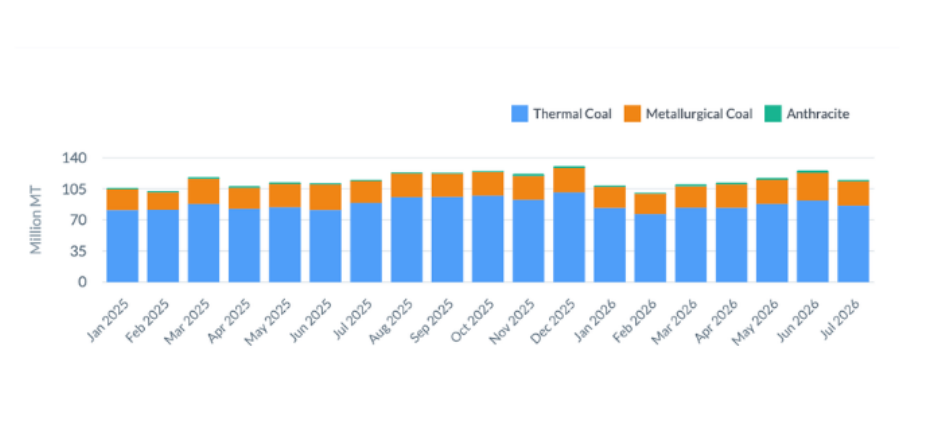
Global coal prices strengthened overall during the past week, supported by geopolitical tensions, higher energy prices and stronger summer demand.
Upward dynamics prevailed in the coal market over the past week: indices in Europe edged higher; coal in China strengthened; in Australia, thermal material appreciated, while metallurgical coal declined.
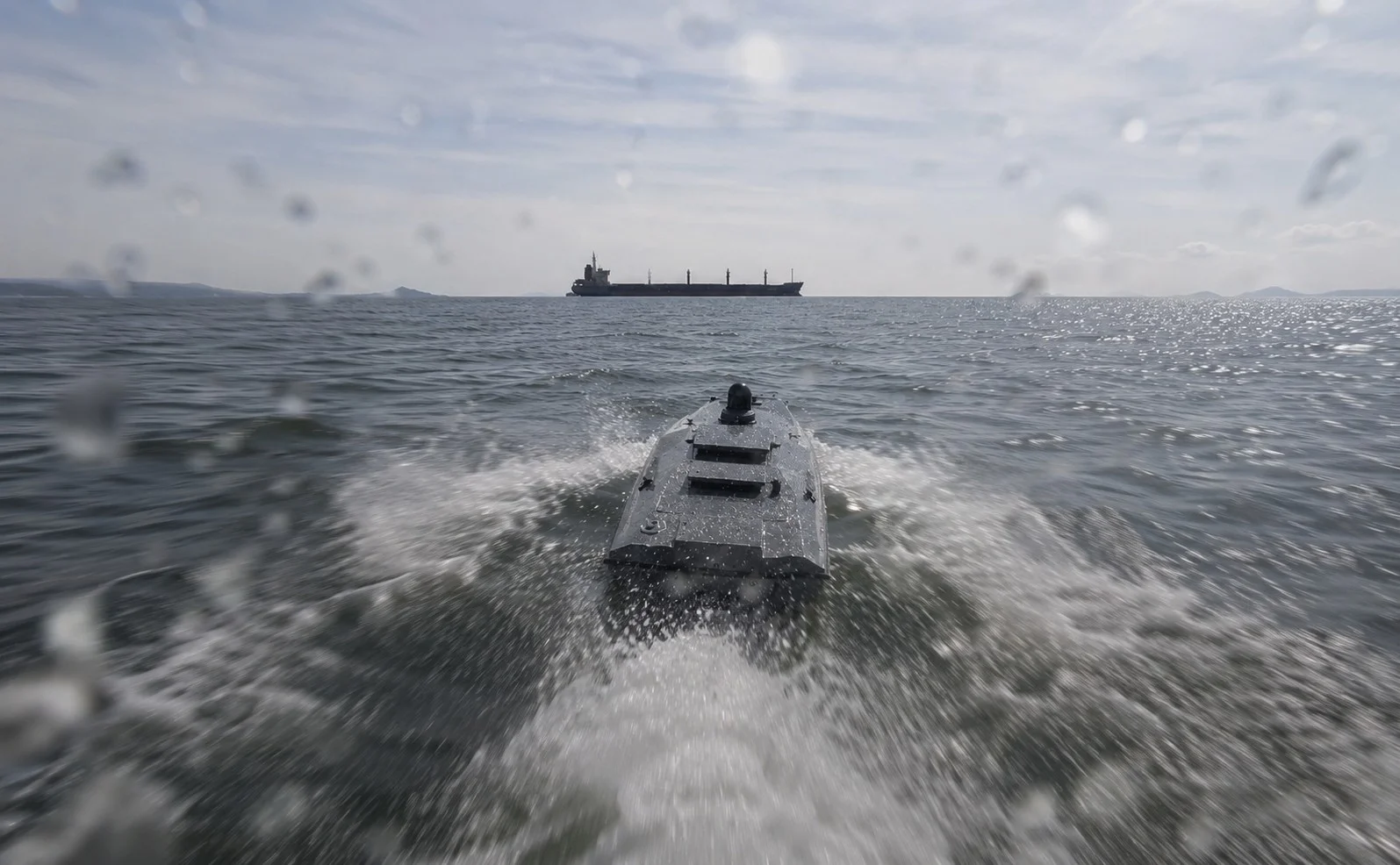
In the European coal market, quotations firmed to 119 USD/t. Prices found support from oil and gas quotations returning to local highs amid escalating US-Iran conflict. Additionally, numerous Ukrainian drone attacks on port infrastructure and vessels in the Black Sea, including a Turkish coal carrier, that resulted in one crew member killed and three injured — raised concerns over potential disruptions to seaborne supplies in the region.
In Germany, lower renewable generation and improved coal-fired generation margins contributed to higher demand and coal consumption.
Amid intensified strikes on Iranian and other Middle Eastern infrastructure, as well as Houthi statements about blocking Saudi Arabia, gas quotations on the TTF hub surged over the week to 730.89 USD/1,000 m3 (+78.30 USD/1,000 m3 w-o-w), reaching a 4-month high. EU underground gas storage stood at 54%, 11 ppts below last year’s level of 65%. Coal stocks at ARA terminals increased to 4.23 mio t (+0.48 mio t w-o-w).
South African High-CV 6,000 rose to 106-107 USD/t, following the European market amid geopolitical tensions in the Middle East.
Coal stocks at the Richards Bay Coal Terminal (RBCT) fell 1.5% to 5.1 mio t, as exports exceeded rail deliveries to the port. Still, inventories remained above the 5-mio t mark for a second consecutive week, reflecting improved performance by state rail operator Transnet this year. However, Transnet moved 1.23 mio t of coal to RBCT over the past week, down 8% from the previous week, though above this year’s average weekly rail volume of 1.17 mio t.
In China, spot prices for 5,500 NAR coal at the port of Qinhuangdao rose by 3 USD/t over the week to 122 USD/t, driven by higher coal consumption and heat in coastal and inland regions. Expectations of peak summer demand lifted prices over the past two weeks, though momentum is already softening somewhat amid replenished inventories that may limit new purchases.
Few participants expect supply shortages in the near term, citing stable deliveries under long-term contracts and strong import arrivals, despite ongoing safety inspections in major mining regions. However, hot weather in northern Chinese provinces is expected to subside from mid-August.
China announced more ambitious renewables targets through 2030, which are expected to reduce coal’s share in the country’s energy mix over the long term. Authorities aim to increase renewable generation capacity to 3,500 GW by 2030, up from 2,340 GW in 2025, with a generation target of 6,000 TWh compared with approximately 4,000 TWh in 2025.
Coal stocks at 9 major ports increased to 30.71 mio t (+2.49 mio t w-o-w), while inventories at 6 major coastal thermal power plants remained at 14.44 mio t (flat w-o-w).
Indonesian 5,900 GAR firmed slightly above 104 USD/t, while the price of 4,200 GAR corrected modestly higher above 62 USD/t after declining the previous week. Support came from geopolitical tensions, as well as uncertainty over production and sales quota (RKAB) approvals in Indonesia — specifically, the possibility that RKAB volumes may not increase as the market had expected.
Uncertainty dominated the Indonesian spot market, as participants attempted to digest the announcement that all coal exports would be fully channeled through a single-window system four months earlier than originally planned. Indonesia’s president stated that exports would be executed through state company DSI starting September 01, 2026, as part of efforts to combat invoice under-valuation, inaccurate reporting, and transfer pricing.
Australian High-CV 6,000 strengthened to nearly 133 USD/t due to renewed military action in the Middle East. Mid-CV 5,500 rose above 95.05 USD/t FOB Newcastle. High temperatures in Asian importing countries, driving higher power consumption from air conditioning loads, also provided support.
Australia’s HCC metallurgical coal index fell to 222 USD/t. Metallurgical coal prices remain in a downward trend due to oversupply and limited demand from buyers willing to transact at lower prices.
Major steel producers in northern China announced the first round of domestic coke price cuts of 50-55 yuan/t effective July 22. Market participants expect another price cut by August, given weakness in the steel market and slowing production rates.
Source: CCA