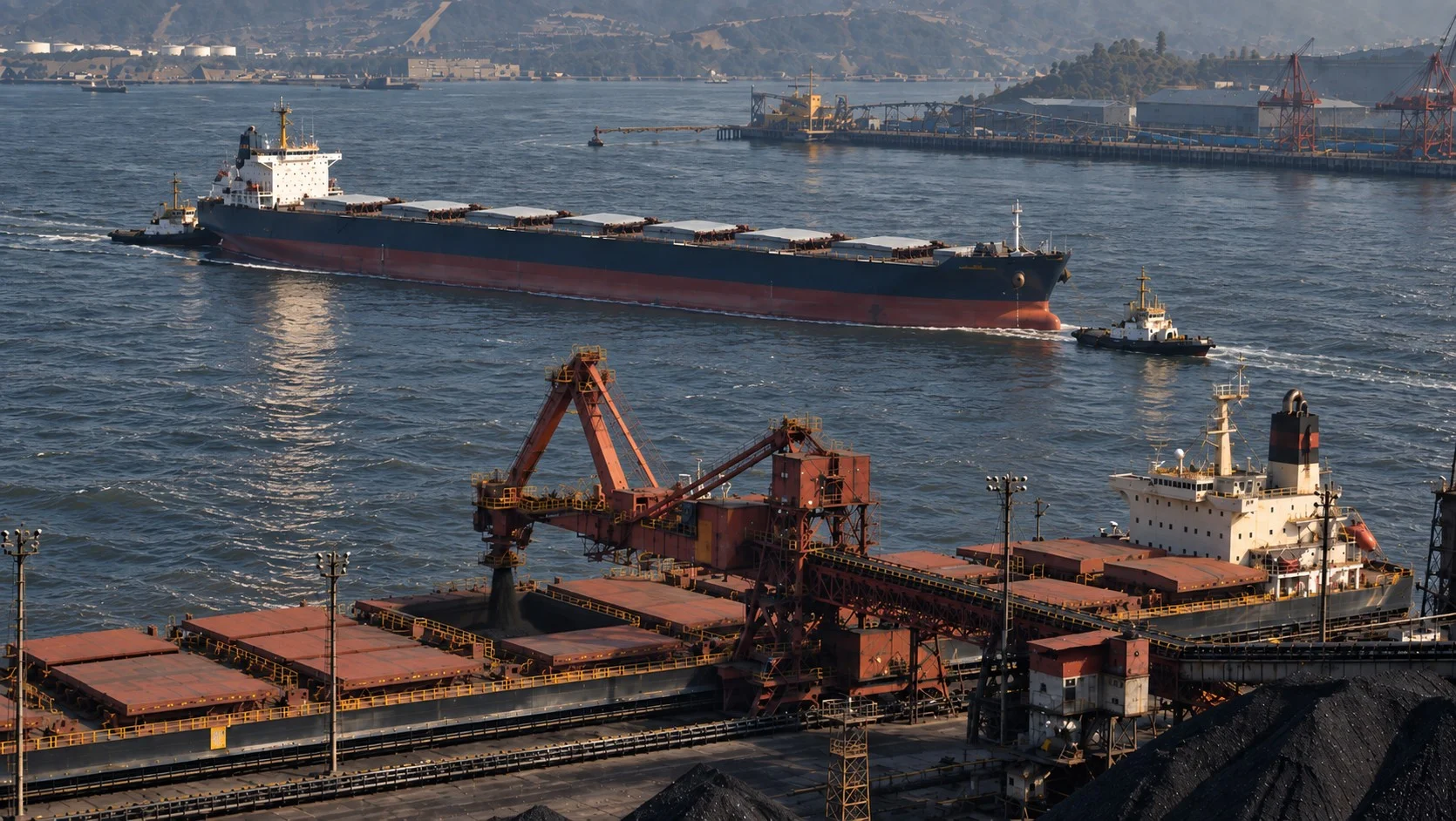
Global seaborne coal trade is showing an increasingly clear divide between thermal and metallurgical coal, with regional demand patterns supporting overall trade volumes despite weakness in some major consuming markets.
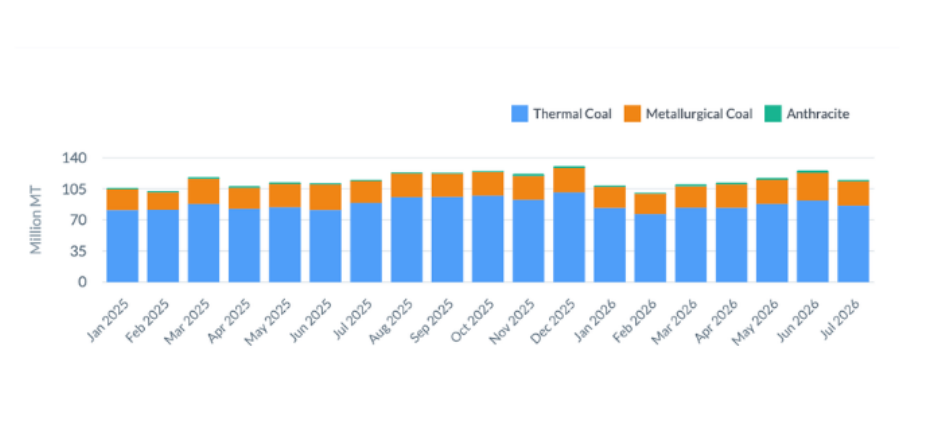
Total global seaborne coal flows reached 116.5 million tonnes (Mt) in July 2026, up around 1% year on year. However, the headline figure masks significant differences between the two main coal markets. Thermal coal shipments declined by 2.3% to 87.3 Mt, while metallurgical coal flows increased by 11.8% to 27.2 Mt.
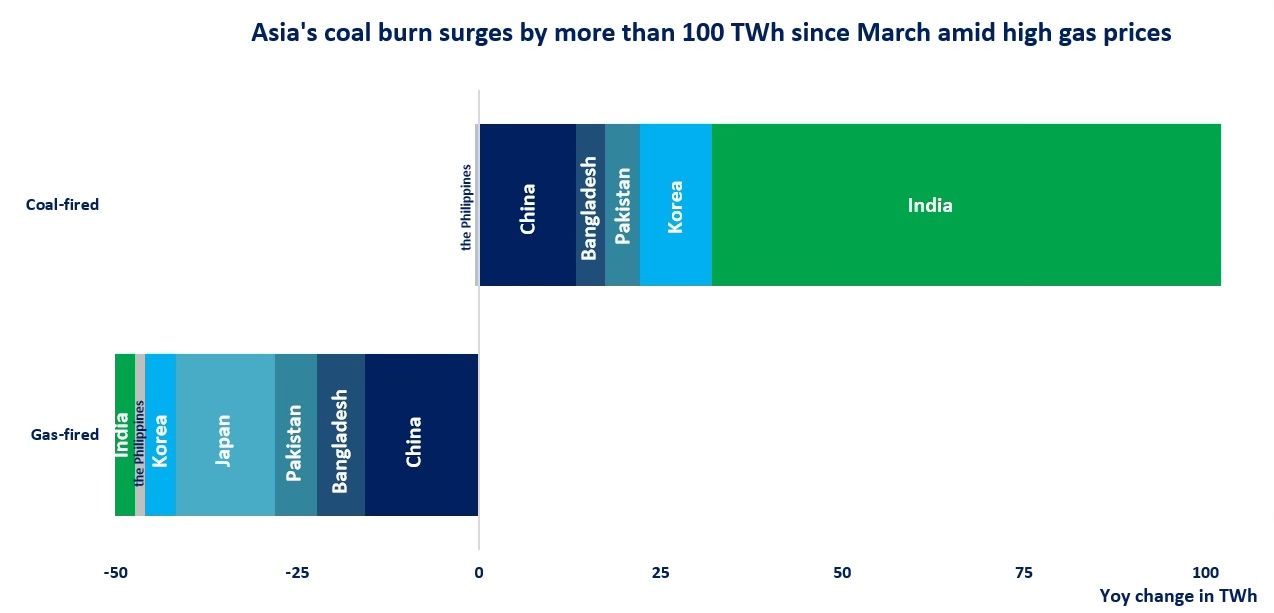
Asian demand remains an important source of support for thermal coal. China was the largest thermal coal destination in July, accounting for approximately 32% of the market, while the combined imports of China, India, Japan and South Korea remained resilient. Demand across these markets has been supported by seasonal electricity requirements, particularly as high temperatures increase cooling-related power consumption.
The weakness in global thermal coal trade has instead been concentrated largely in Europe and the United States. Both markets continue to reduce their reliance on coal as renewable generation takes a larger share of the electricity mix. Utilities have also shown a preference for drawing down domestic coal inventories rather than returning aggressively to the international market.
Metallurgical Coal Trade Strengthens
Metallurgical coal has followed a different trajectory. Although India, the world’s largest metallurgical coal importer, recorded weaker year-on-year demand in July, higher shipments to China and Japan more than offset the decline.
Japan’s metallurgical coal imports increased by around 24% year on year, while Chinese imports rose approximately 30%. Japanese demand is being supported by expectations of improving activity in the country’s steel sector, while China has been seeking additional imported material to compensate for reduced availability from domestic coal production.
Seasonal steel procurement could provide further support during August. Steel mills typically increase purchasing as third-quarter procurement budgets become available, and metallurgical coal flows were already running approximately 6% above the comparable period of 2025.
Weather Supports Asian Thermal Coal Demand
The near-term thermal coal outlook also remains constructive in Asia.
Heatwaves affecting China, Japan and South Korea are increasing electricity demand for cooling, while hot and dry conditions in India have reduced hydropower generation and increased the need for coal-fired electricity. These factors are likely to maintain demand from the region’s largest coal importers in the near term.
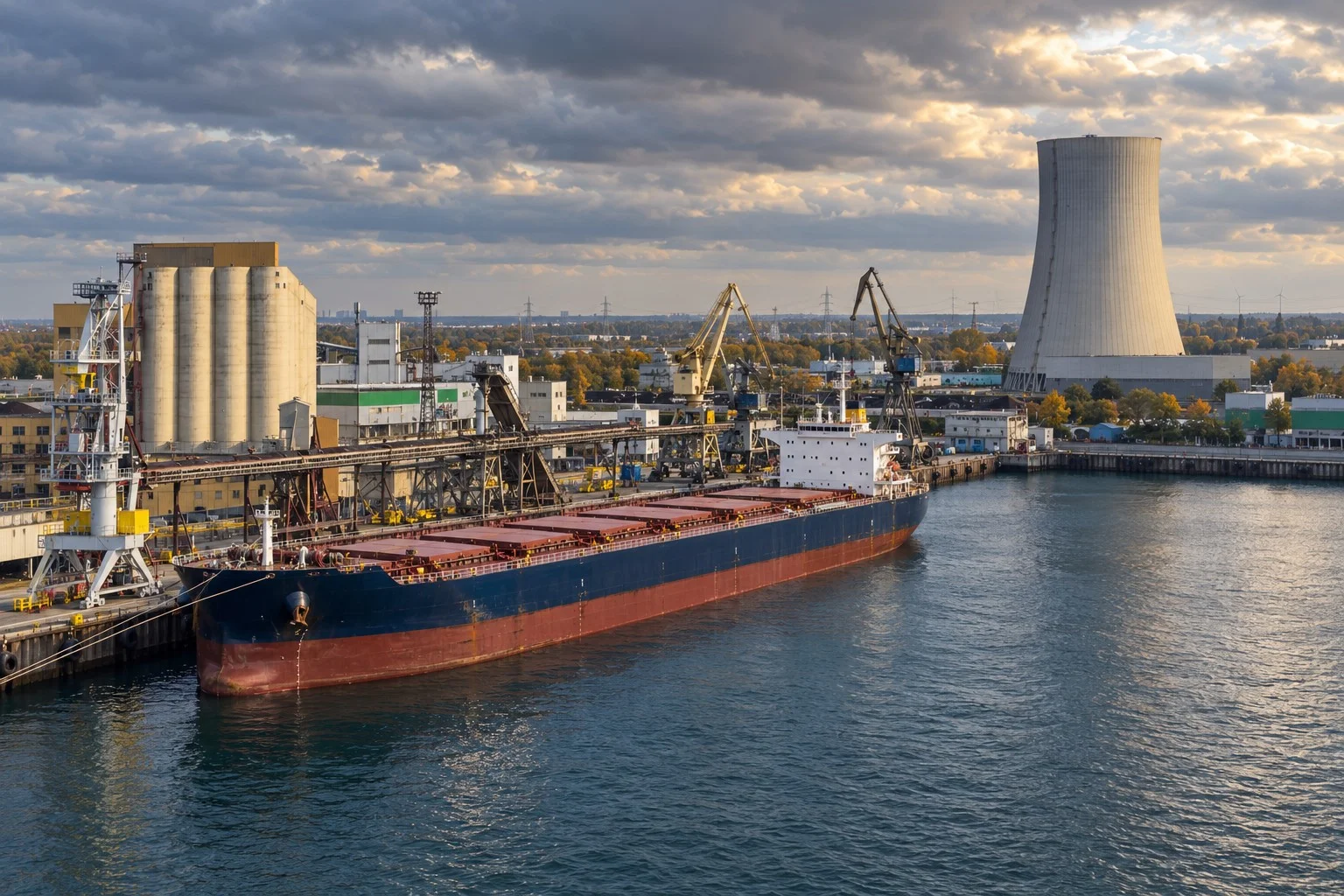
The divergence between thermal and metallurgical coal also has implications beyond the commodity market itself. Stronger Asian demand and changing trade routes are supporting shipping activity, particularly for Panamax and Capesize vessels.
Coal-carrying tonne-mile demand is expected to remain above 2025 levels, supported by seasonal Asian power demand, steel-sector procurement and tighter domestic coal availability in several important consuming markets.
Overall, the seaborne coal market remains characterised less by a broad-based recovery than by increasingly different regional and product-level trends. Weak demand in Europe and the United States continues to weigh on thermal coal volumes, but resilient Asian power demand and stronger metallurgical coal imports into China and Japan are helping maintain global coal trade and freight demand through the remainder of the quarter.
Source: Signal Ocean / Signal Maritime – Commodity Radar: Divergence in the Coal Market Offers Opportunities, 18 August 2026. The report’s charts use Signal Ocean dry bulk flow and tonne-mile data.