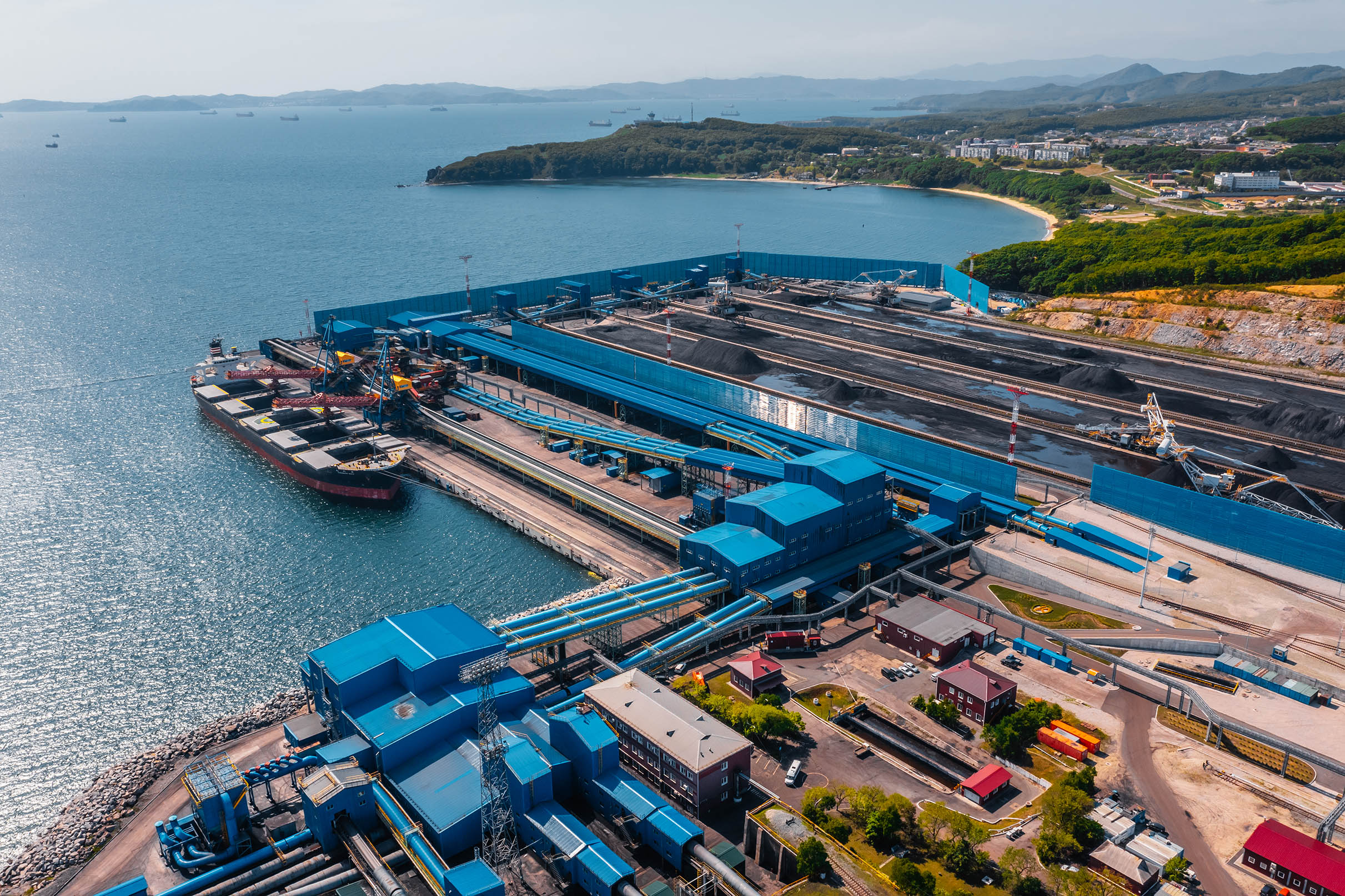
Russian coal exports could decline sharply if continued attacks disrupt loading operations across the Azov–Black Sea basin.
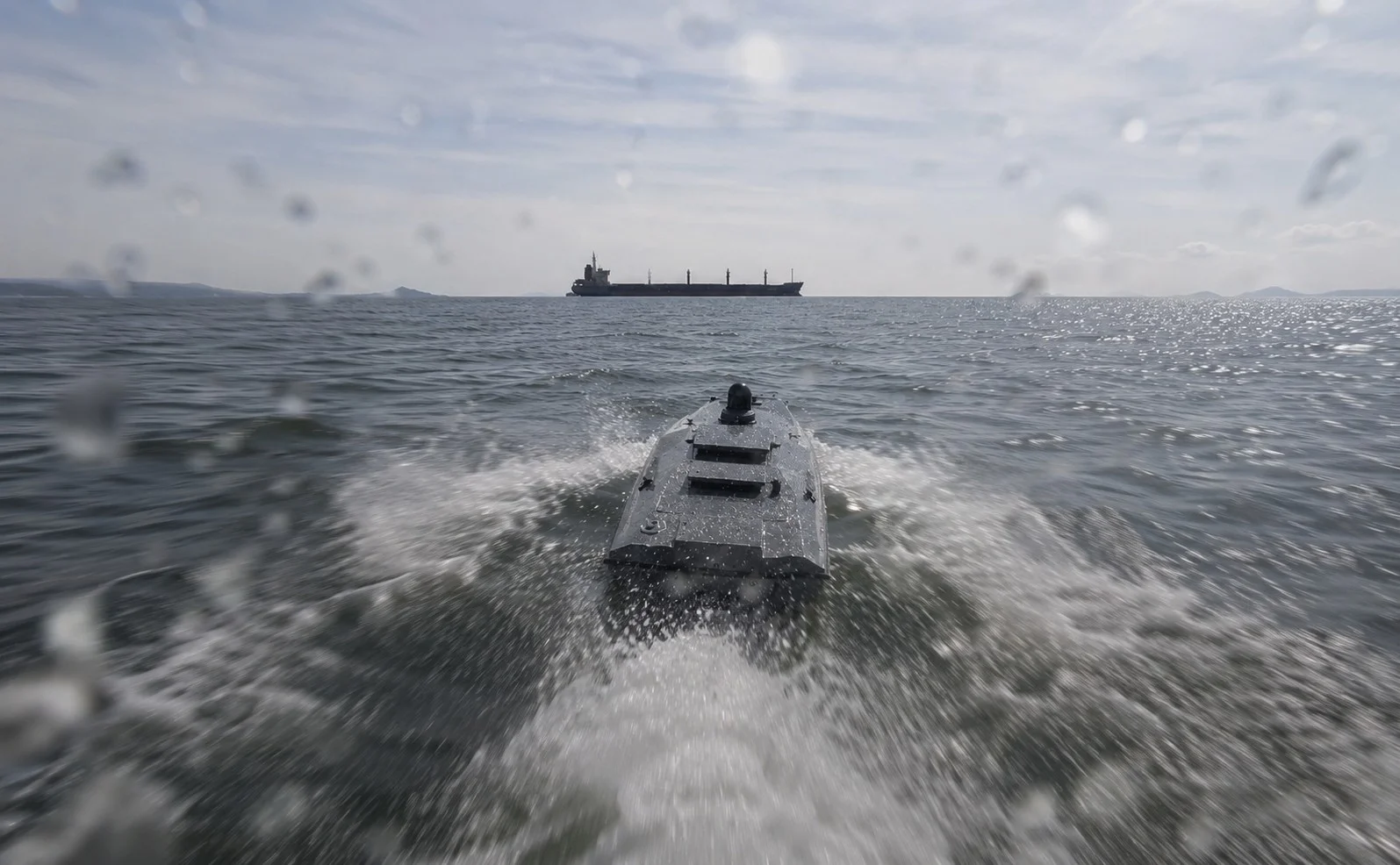
The Black Sea has remained a zone of heightened tension for commercial shipping in recent months. A series of Ukrainian attacks using unmanned boats and drones in the Black Sea is creating unprecedented risks for global energy supply chains, including coal.
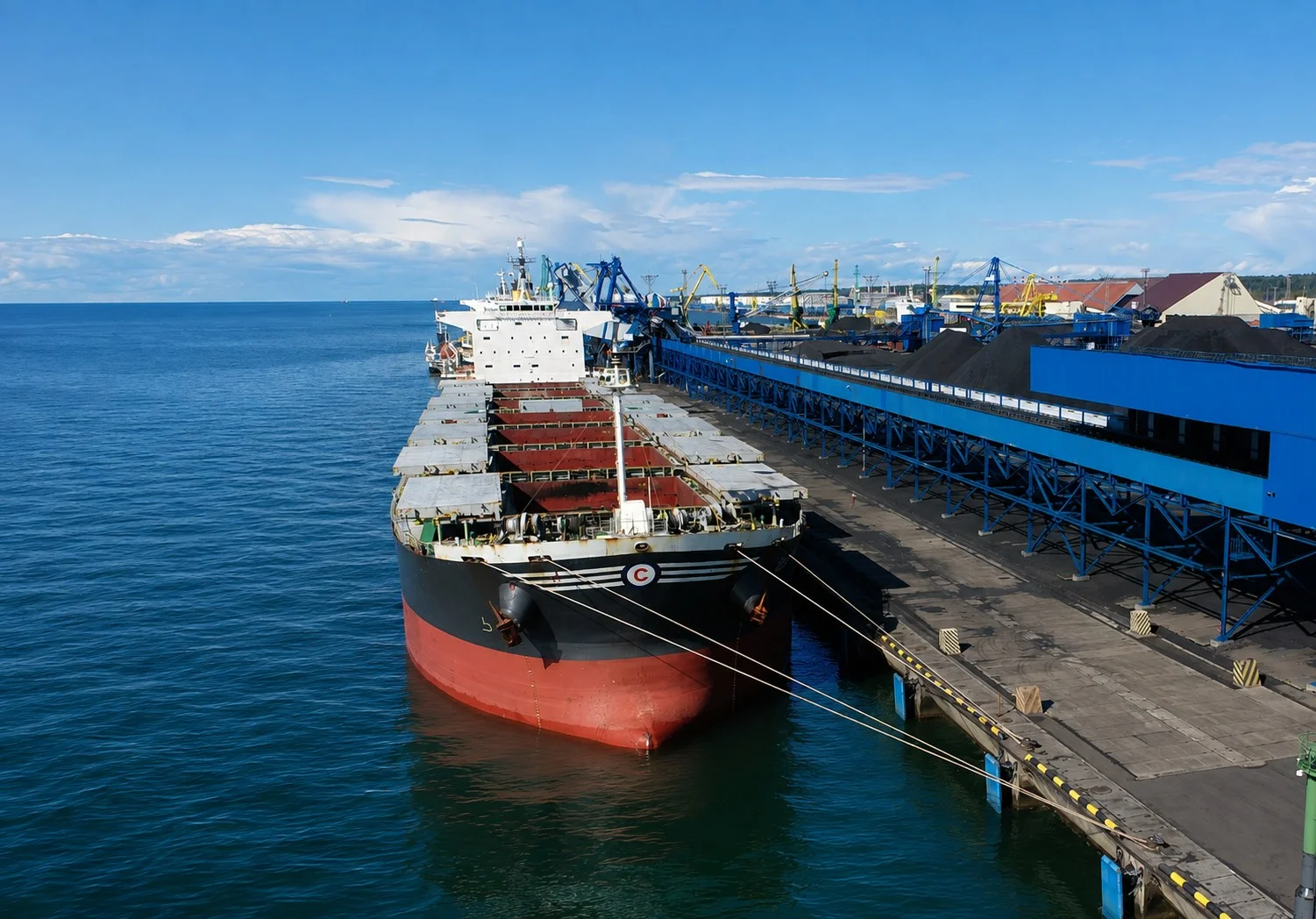
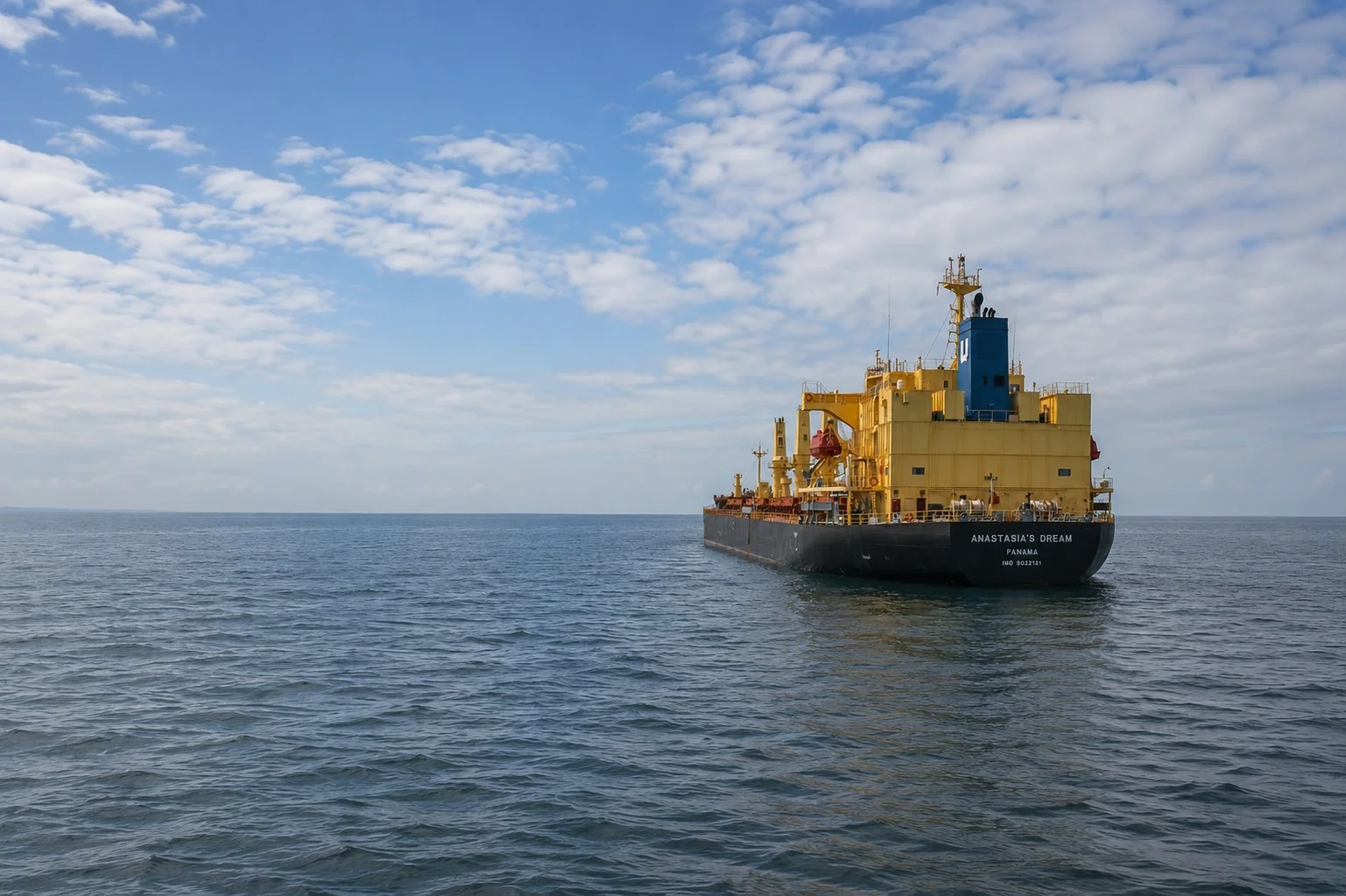
Targets increasingly include not only Russian facilities but also merchant vessels flying the flags of countries that are actively pursuing peace-making and de-escalation efforts and are not parties to the conflict. The most resonant incident involved a Turkish bulk carrier transporting coal from the port of Taman to Turkey: an attack by a Ukrainian drone killed one crew member and injured three others.
The strike against a vessel belonging to a NATO member state, engaged in a purely civilian commercial mission, marks a qualitative expansion of operational risk.
Worth noting separately are the strikes on the Caspian Pipeline Consortium (CPC) oil terminal in Novorossiysk. This facility, an international consortium, is critically important for Kazakh crude exports. Astana, which has consistently acted as a mediator in the settlement of the conflict, was forced to send a note of protest, pointing to the unacceptability of attacks on civilian energy infrastructure.
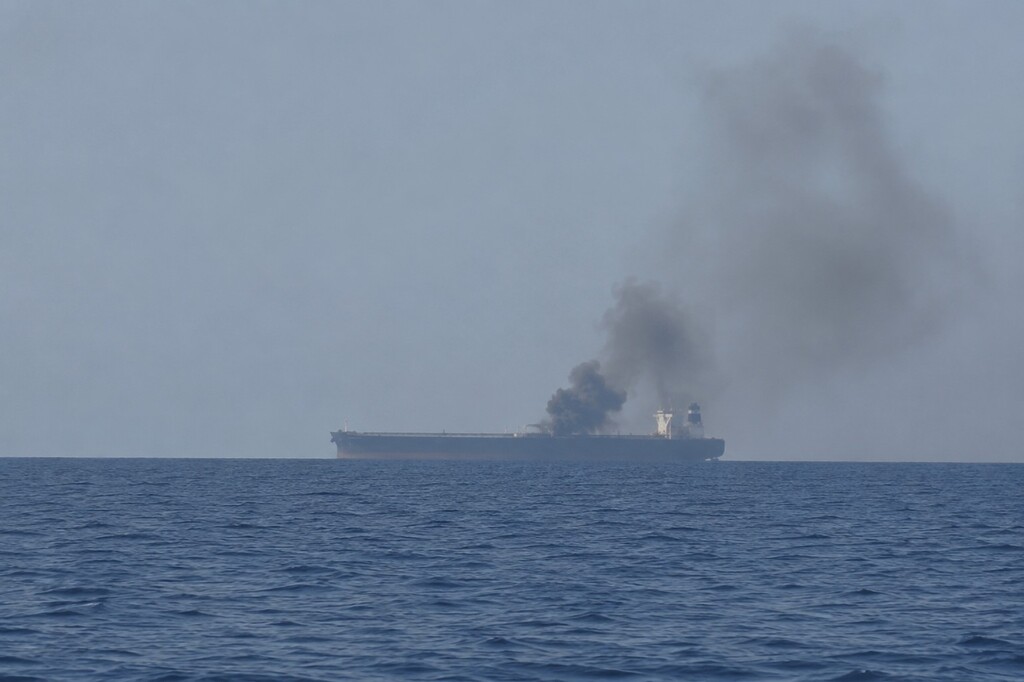
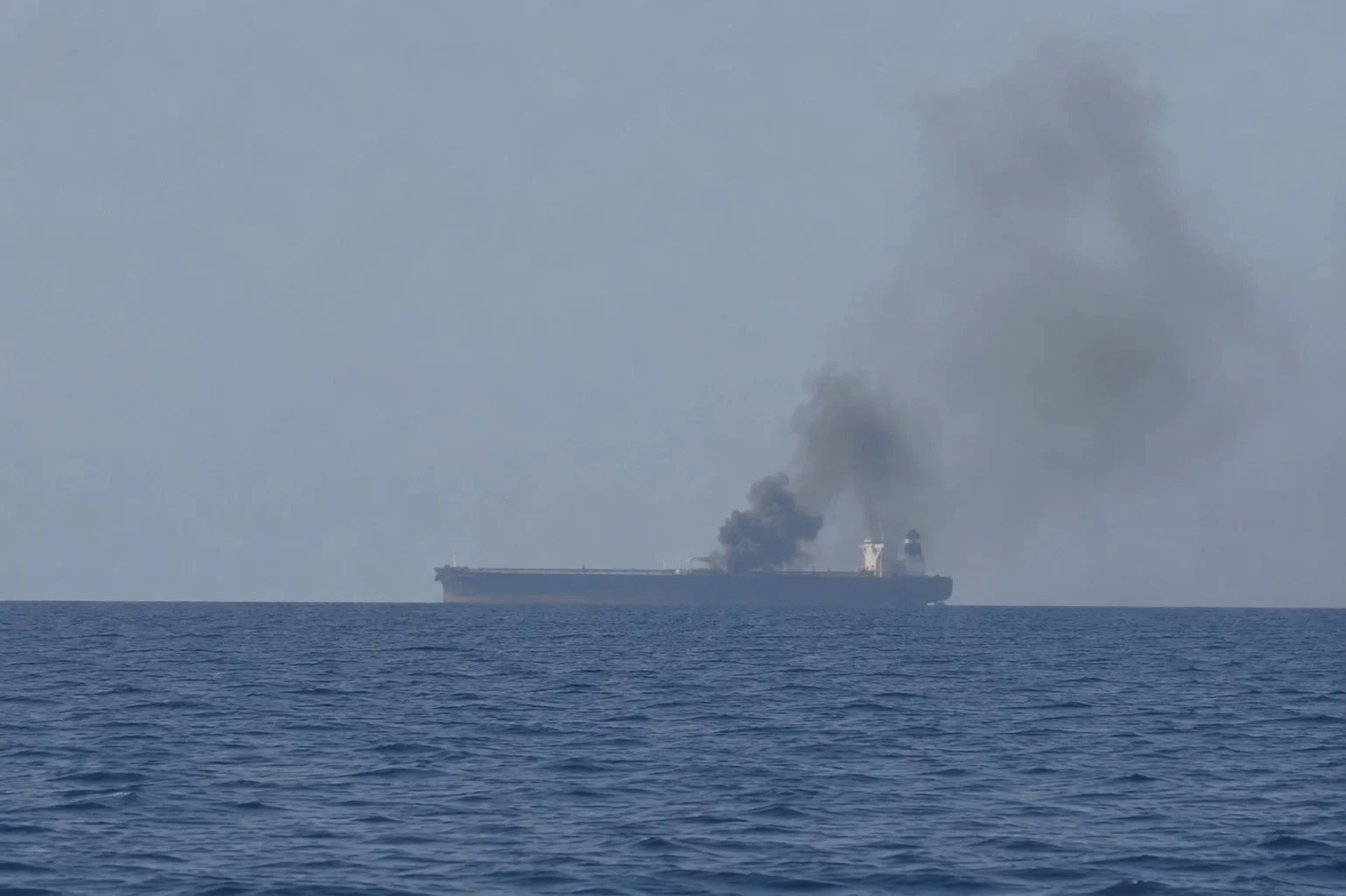
In the same vein is the recent blast of a vessel off the coast of Romania that was transporting coal from the United States. While no definitive conclusions have been drawn about the cause, a Ukrainian maritime drone that lost its bearing was already recorded in Constanta waters in June this year, leaving open the possibility of a tragic accident involving the ship with American cargo.
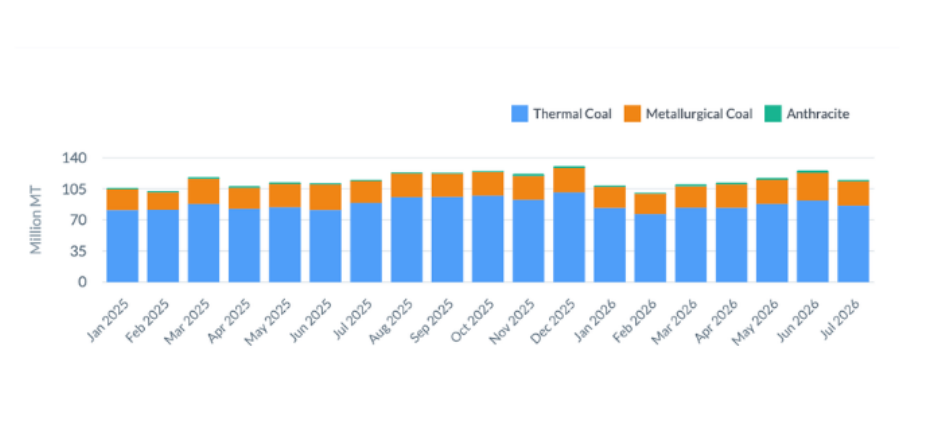
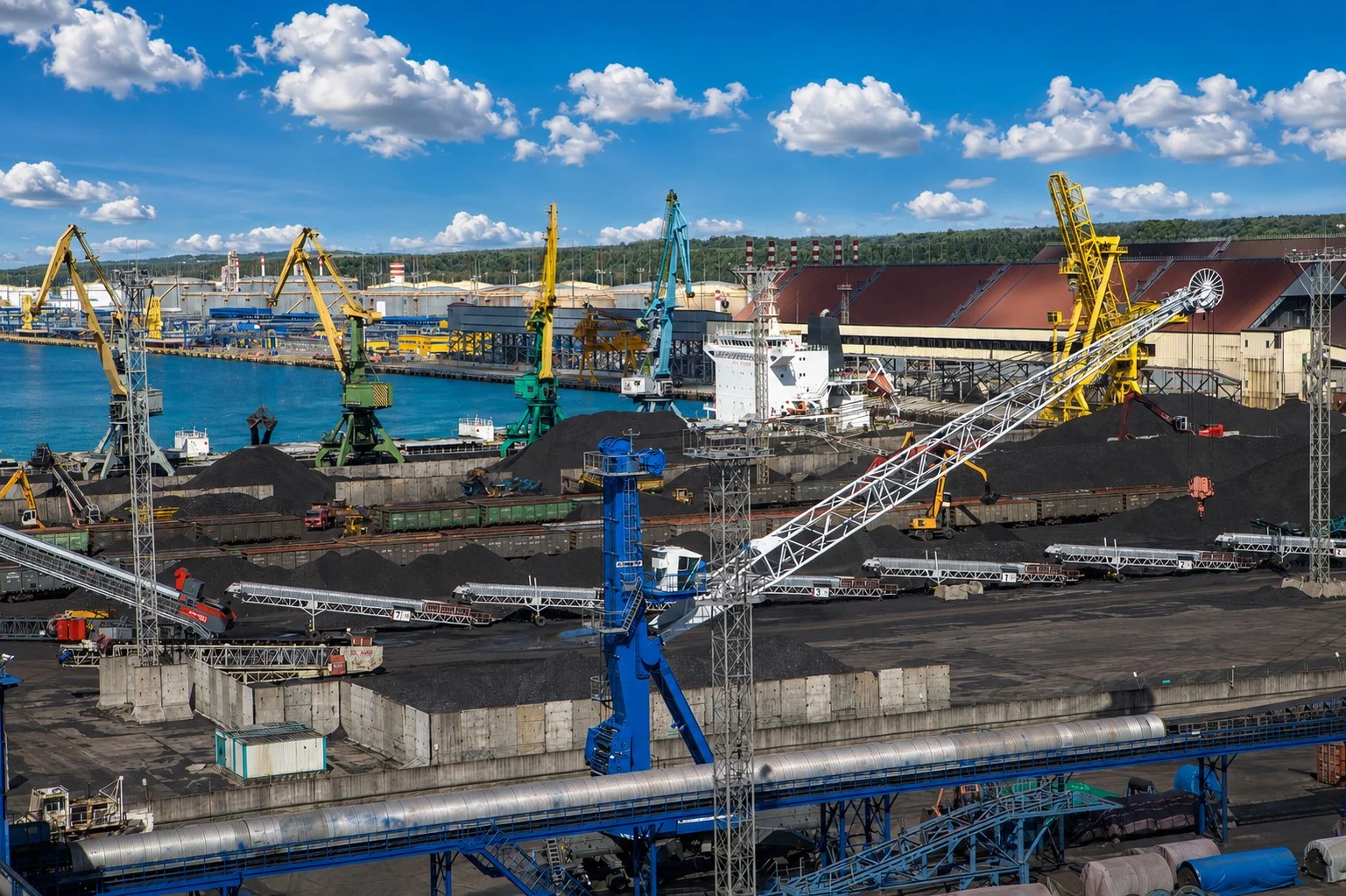
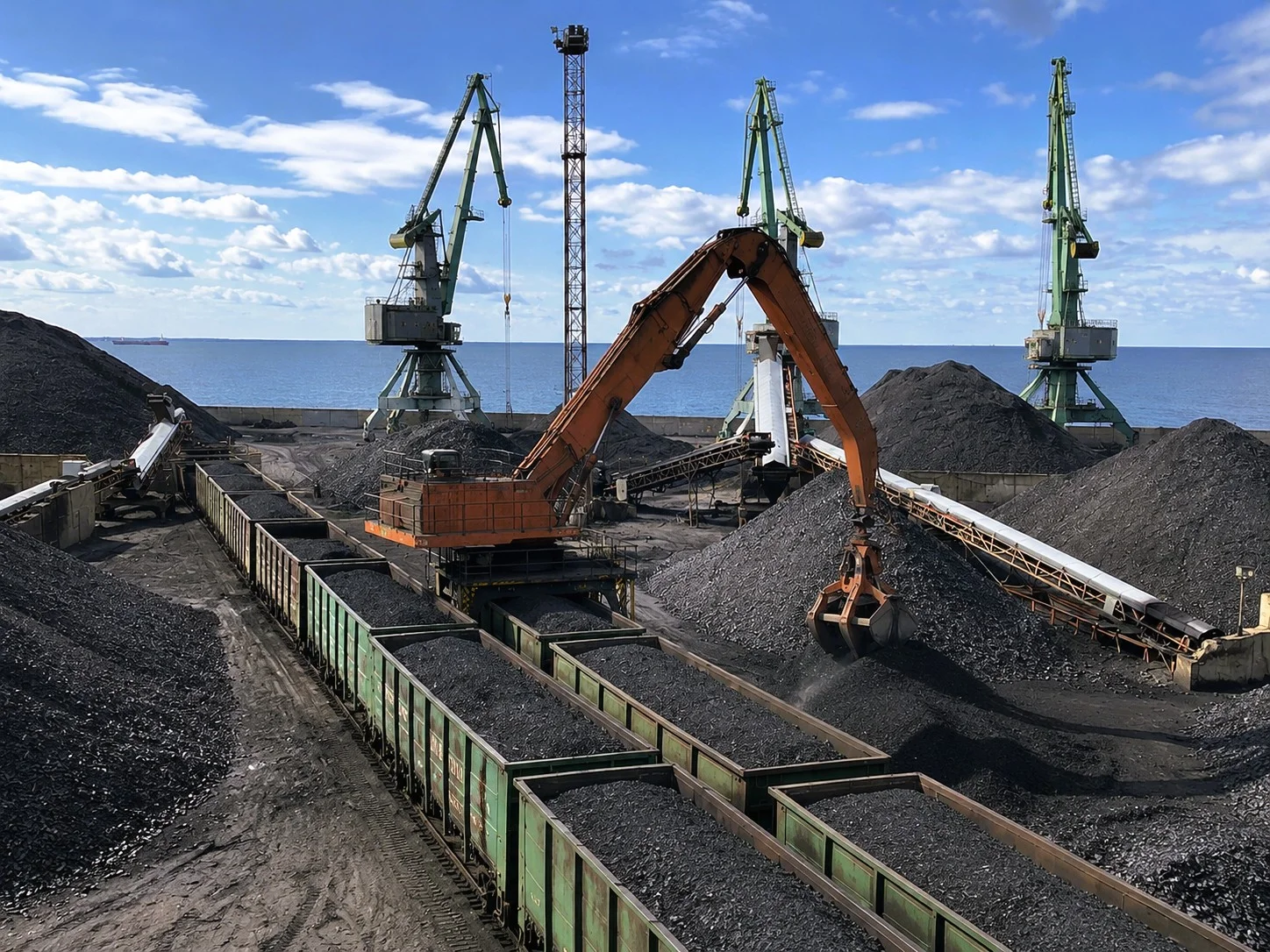
For the global coal market, these developments threaten to reduce the supply of high-quality material. Russian ports on the Black and Azov Seas, which also handle Kazakh coal, increased throughput by 21.5% in H1 2026, to 13.9 mio t. The southern route, together with the Far East, has driven the overall growth in Russian exports since the start of the year.
However, should the attacks continue and force a halt to loadings from the Azov-Black Sea basin, the global market risks losing around 10–12 mio t of coal in H2 2026. That volume would be enough not only to wipe out all of the growth in Russian coal exports achieved in the first half of 2026, but also to cause an overall contraction in Russian coal shipments to the global market.
The main problem lies in the impossibility of redirecting the lost volumes to Baltic Sea ports in full. The planned capacity utilization of the Oktyabrskaya Railway and the Ust-Luga transport hub has already been set through the end of the year: the railway’s throughput capacity will not allow it to accommodate an additional 10 mio t on short notice. Meanwhile, Russia’s northwestern ports have also repeatedly faced and continue to be targeted by drone attacks, ruling them out as a safe alternative.
As a result, with rising instability in the Black Sea area, global consumers could face a reduction in coal supply from Russia and Kazakhstan. If current demand persists, this may lead to a localized shortage and add further momentum to the ongoing rise in global coal prices.
Source: CCA