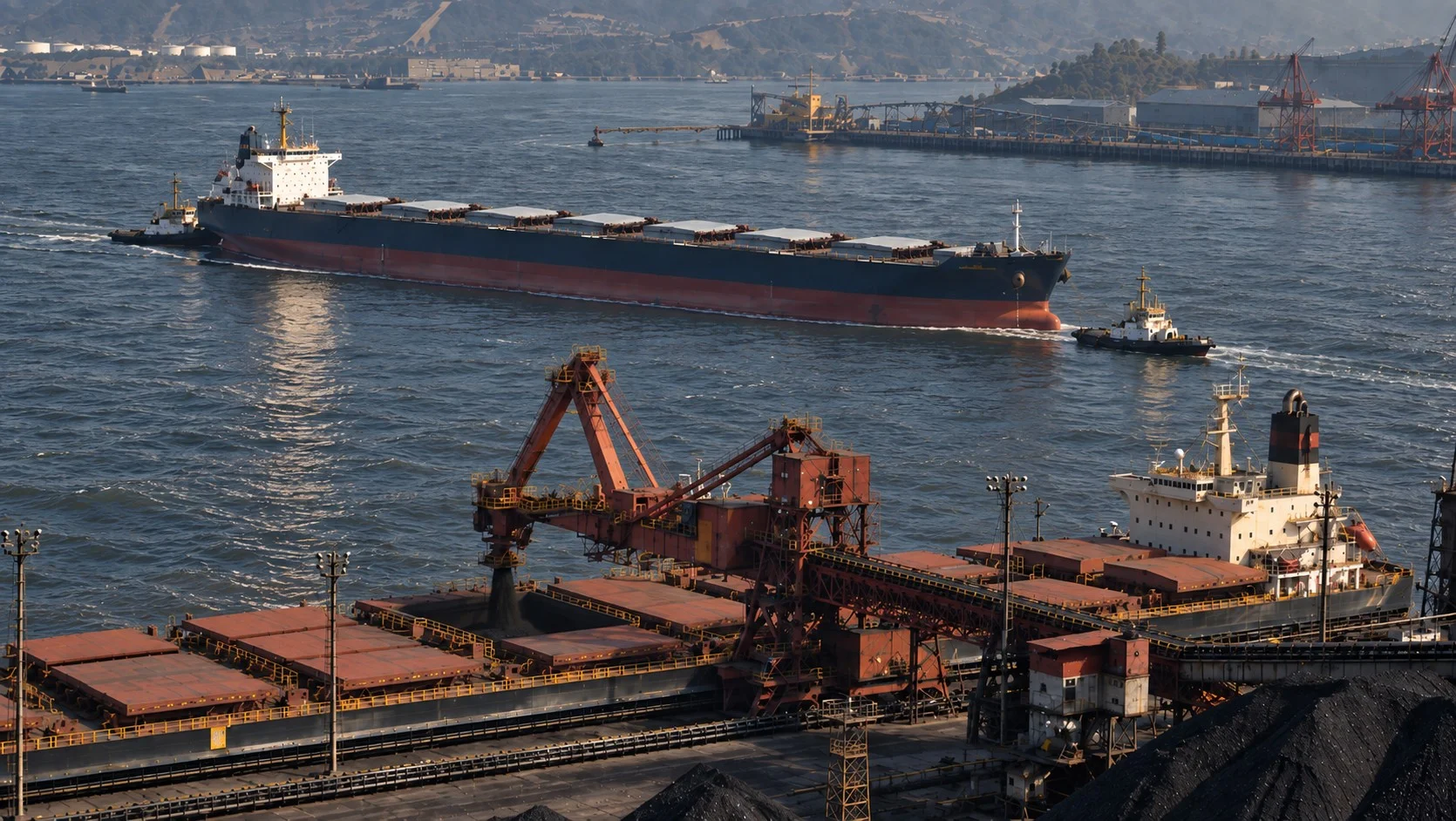
Kazakh coal exports are facing mounting pressure in the European market as rail restrictions, port congestion and limited transit capacity disrupt key supply routes.
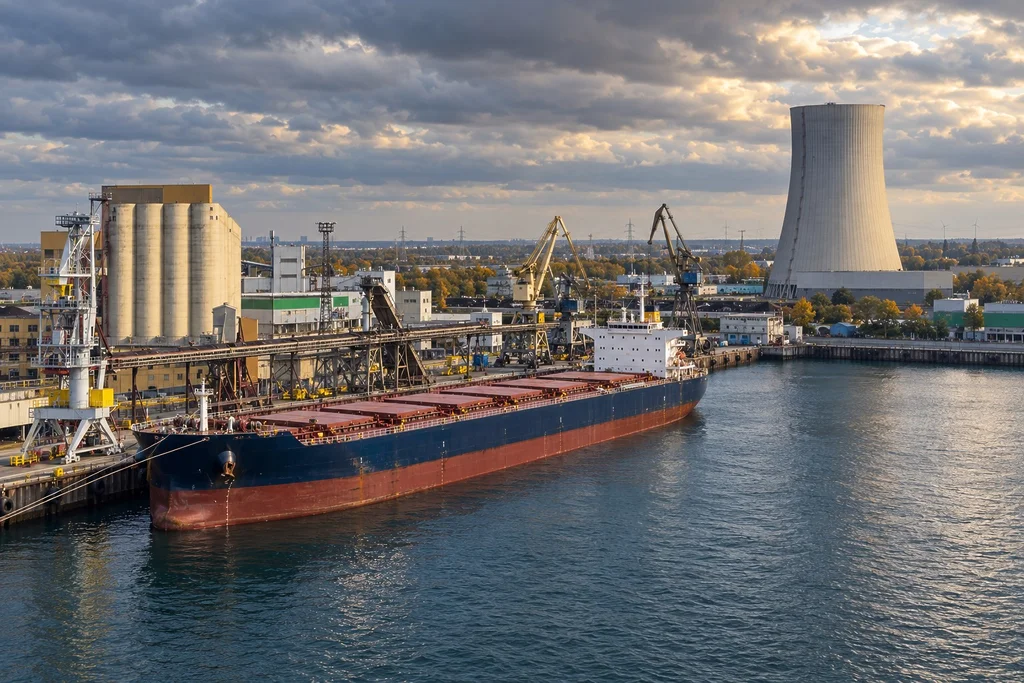
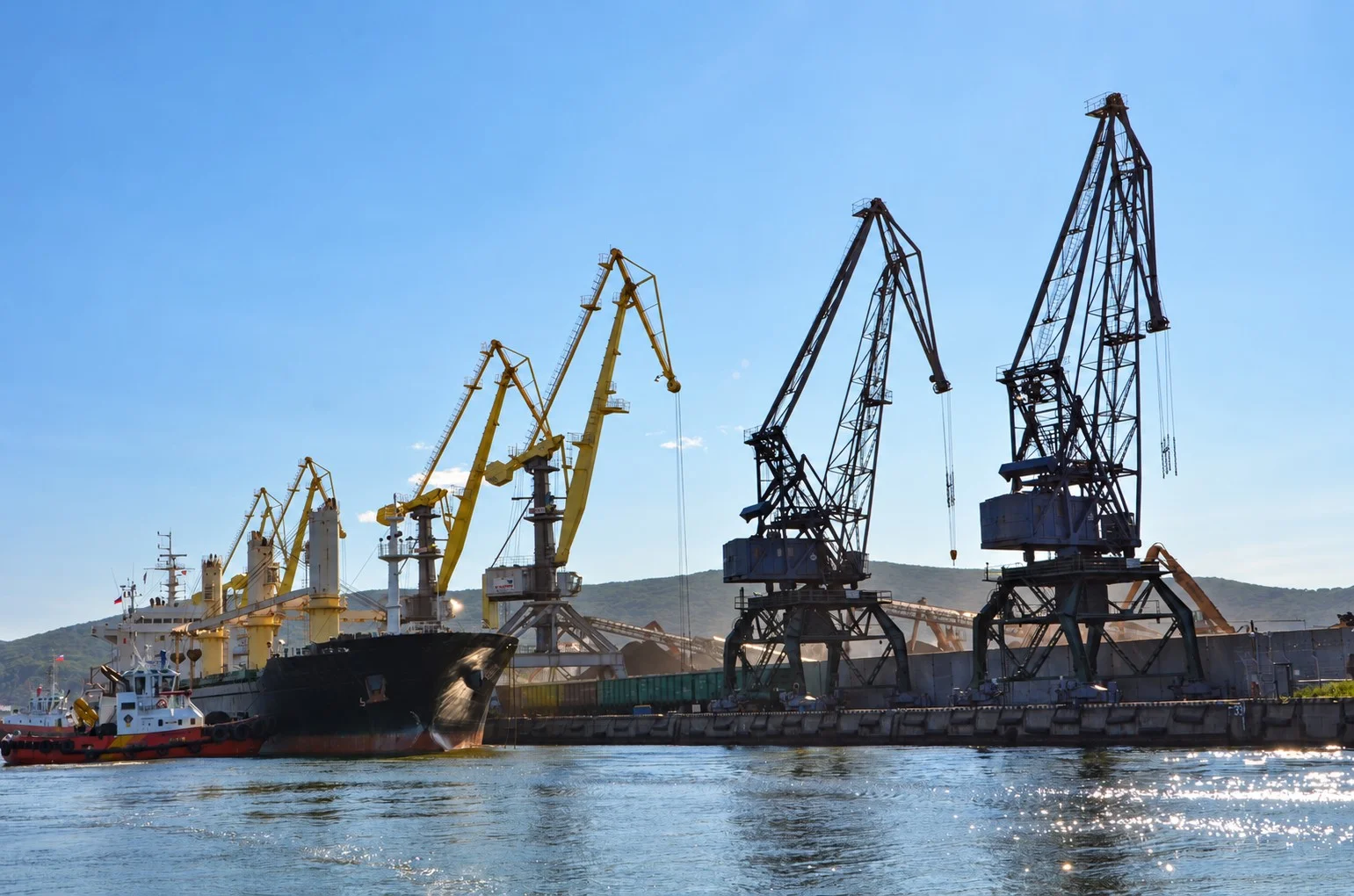
Exports of Russian and Kazakh coal through Azov-Black Sea basin ports have effectively come to a halt since August 2026, following a series of Ukrainian drone attacks on commercial vessels. Shippers redirected volumes to northwestern ports, nevertheless the capacity of that route is constrained by existing utilization and infrastructure limitations.
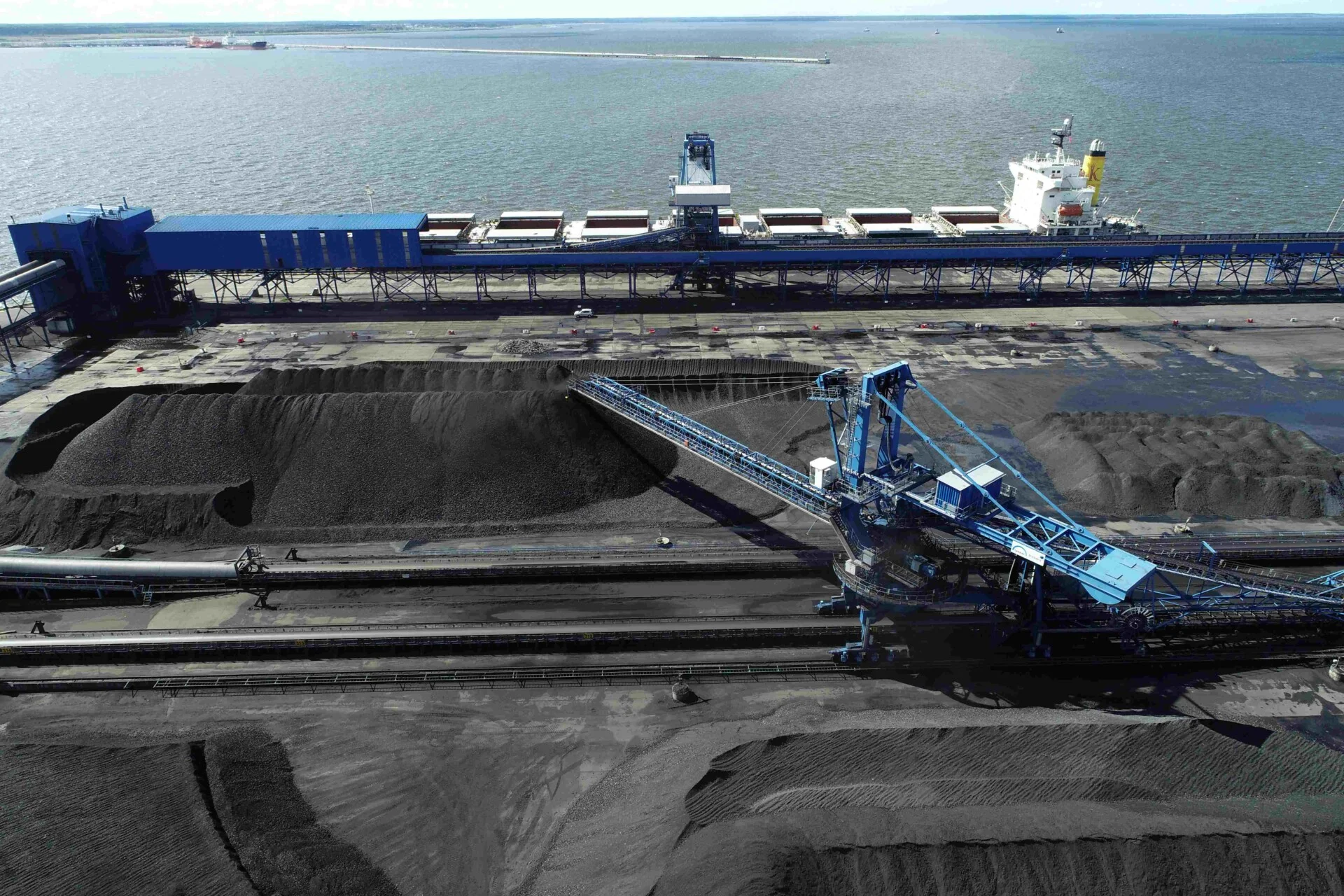
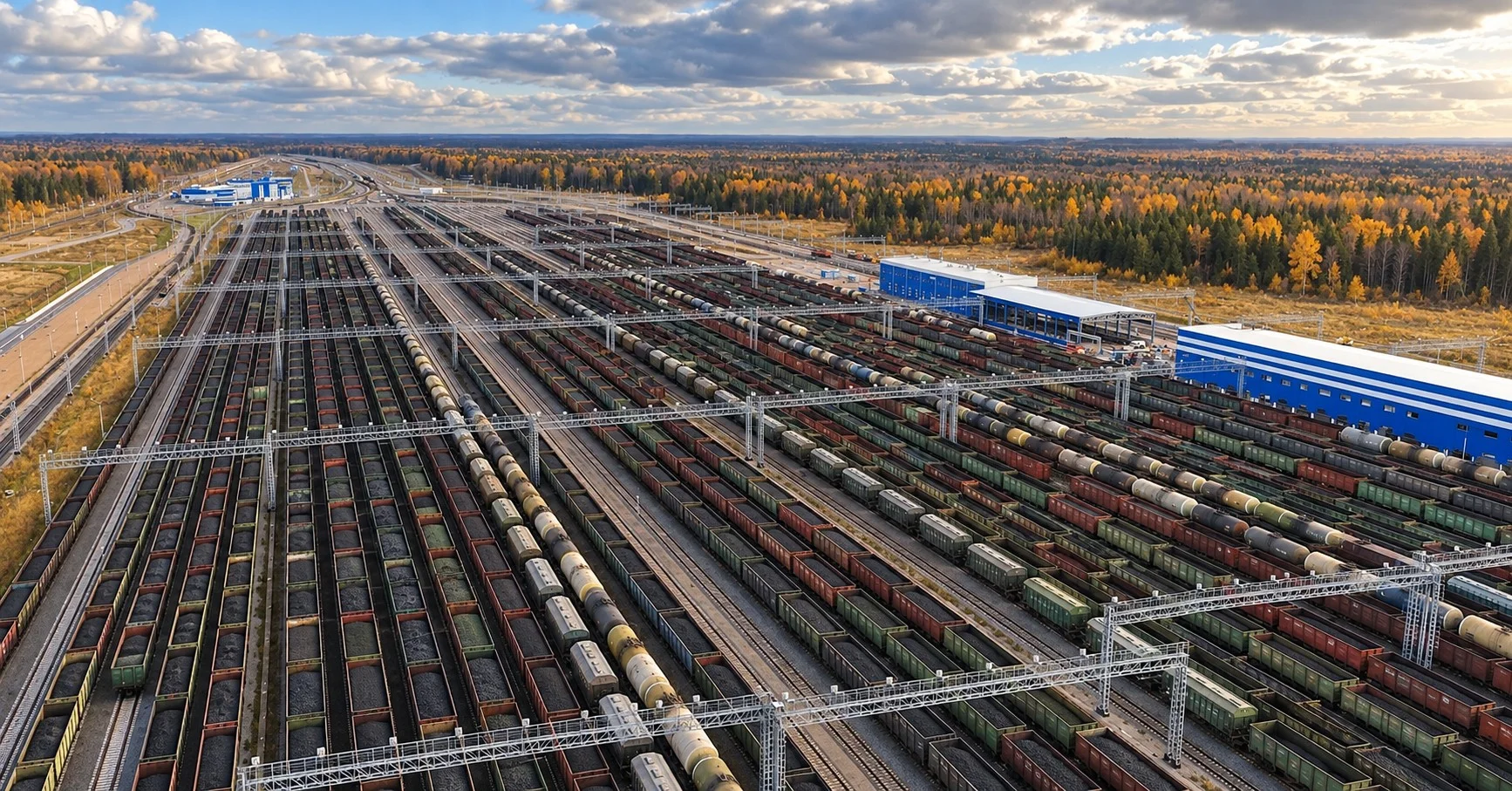
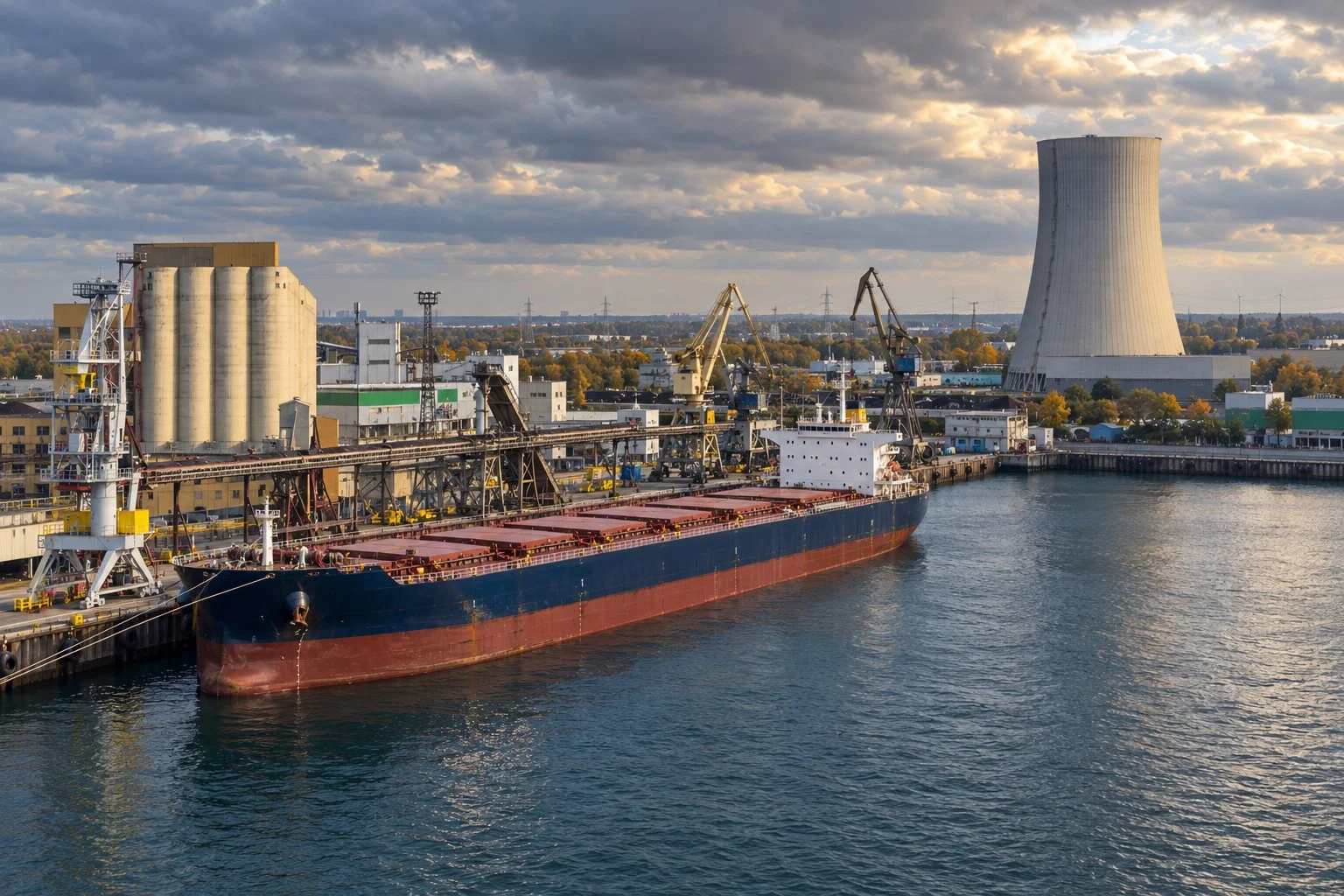
Additional pressure came from the government’s decision to prioritize grain shipments by rail from October 01, 2026. Baltic port-side stations are operating above their standard capacity. As a result, Russian Railways (RZD) cut its October coal shipment plans to northwestern terminals. Combined with the halt in transshipment at Azov-Black Sea ports, losses to the export market from October are estimated at around 3 mio t of coal per month.
Amid excessive load on the western route, October applications from Kazakh exporters for transit across Russian territory towards the Baltic were rejected. Approved quotas for November could also be zeroed out. Kazakh suppliers have appealed to the government to resolve the issue through negotiations with the Russian side. Kazakhstan is considering an alternative route via Ventspils, but transport costs on that route are twice as high as for shipments to Ust-Luga, requiring RZD tariff reductions to remain economically viable.
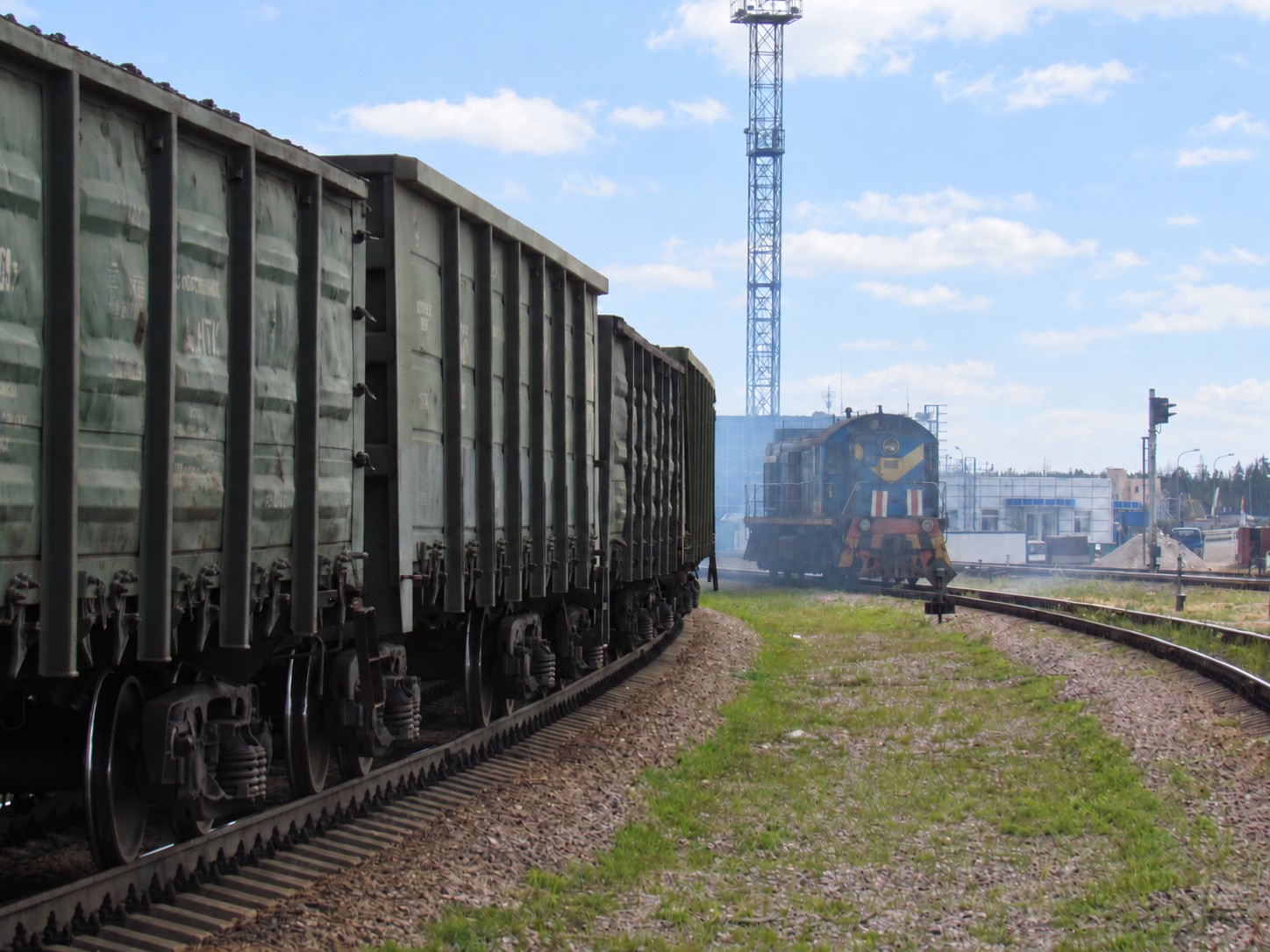
A temporary ban on rail freight shipments toward Poland via the Krasnoye border crossing on the Belorussian-Russian border took effect on October 9. The ban covers all categories of cargo and all consignees, including shipments from Kazakhstan and other Central Asian countries.
The Krasnoye crossing has traditionally handled transit of Kazakh coal to Europe. According to rail shipment data, volumes through the western border crossing rose from 0.5 mio t for all of 2025 to 0.9 mio t in January–September 2026, with 0.3 mio t shipped via this route in September alone.
Poland imported 7.8 mio t of all types of coal in 2025. Kazakhstan accounts for around 65% of Poland’s thermal coal imports. In January-July 2026, Kazakhstan increased shipments to 3.08 mio t, up 59% year-on-year. Some tonnage moves by sea through Russian Baltic ports, while some goes by rail through Belorussia. It is this route that is affected by the rail ban.
The restrictions were introduced during the period when coal stocks are being built up ahead of the heating season: coal inventories at Polish mines fell to 2.9 mio t in August, compared with 5.5 mio t a year earlier. Demand from households and municipal boiler houses in Poland is estimated at 5-6 mio t per year and exceeds domestic supply, making the country dependent on imports.
Restoring normal schedules after the restrictions are lifted will take considerable time, given the low throughput capacity of the railway section. Redirecting flows to alternative routes is practically impossible — they are already operating at maximum load. An additional factor was the closure in July of seven rail crossings with Finland, Estonia and Latvia, which shifted the bulk of the load onto the Belorussian corridor.
The situation is weighing on European coal benchmarks, which hit a three-year high in October. In addition to the conflict in the Strait of Hormuz, which has pushed gas and oil prices higher, the market is under pressure from restrictions on Kazakh coal transit through northwestern terminals on the back of prioritized transportation of grain.
Should the blockade of shipments from the Azov-Black Sea basin continue and restrictions on the western route persist, the global market could lose around 36 mio t of coal in 2027, if the situation is not resolved.
Source: CCA