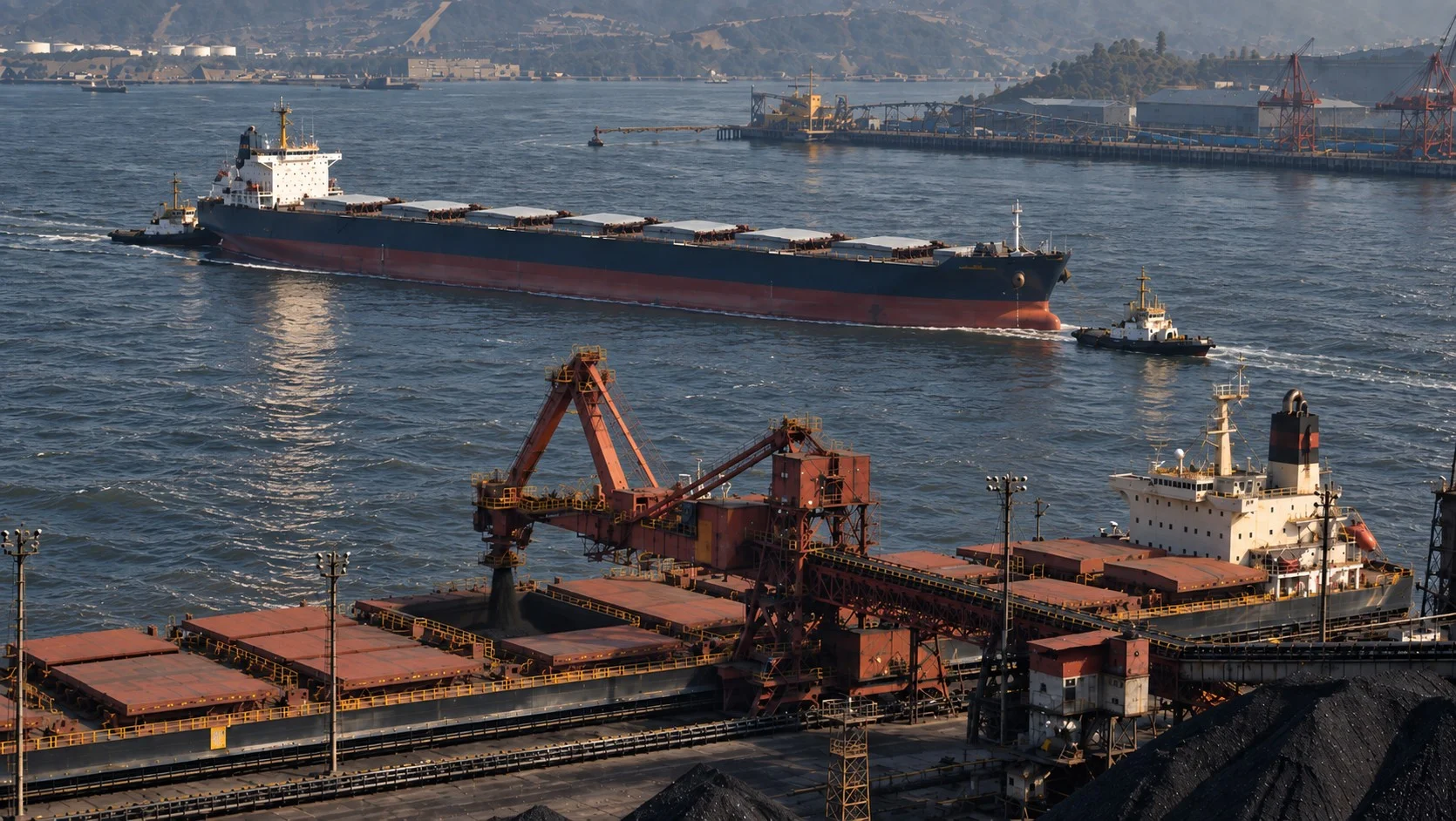
Global coal prices showed mixed trends over the past week as European and Chinese markets strengthened, while Australian thermal and metallurgical coal moved in opposite directions.
Over the past week, the coal market saw mixed trends. Indices in Europe rose; prices in China strengthened; in Australia, high-CV thermal coal quotations climbed, while metallurgical coal fell.
European coal quotations soared above 142 USD/t over the past week. Gas and oil contracts declined during the week but rose after the US denied easing sanctions on Iran and granting access to frozen funds in exchange for concessions on its nuclear program. Thus, prospects for reopening the Strait of Hormuz and stabilizing oil and gas supplies have once again receded.
Margins at German coal-fired power plants declined, as did those at gas-fired plants, after electricity prices plunged from 226.18 EUR/MWh to 153.40 EUR/MWh. Coal spreads fell to just over 26.00 EUR/MWh, compared with 97.93 EUR/MWh last week.
The German government has instructed state-owned SEFE to procure and inject 8 TWh of gas into storage by December 15, equivalent to roughly 3% of the country’s storage capacity. Germany’s gas storage lags other EU countries, with facilities less than 58% full — approximately 28 ppts below the five-year average for the same period.
Gas quotations on the TTF hub as of October 01, 2026 declined to 846.42 USD/1,000 m3 (-34.80 USD/1,000 m3 w-o-w). Total EU underground gas storage stood at 71.3% (+1.2 ppts w-o-w), 12.7 ppts below last year’s level of 83%.
South African High-CV 6,000 strengthened again above 124 USD/t, following the European market.
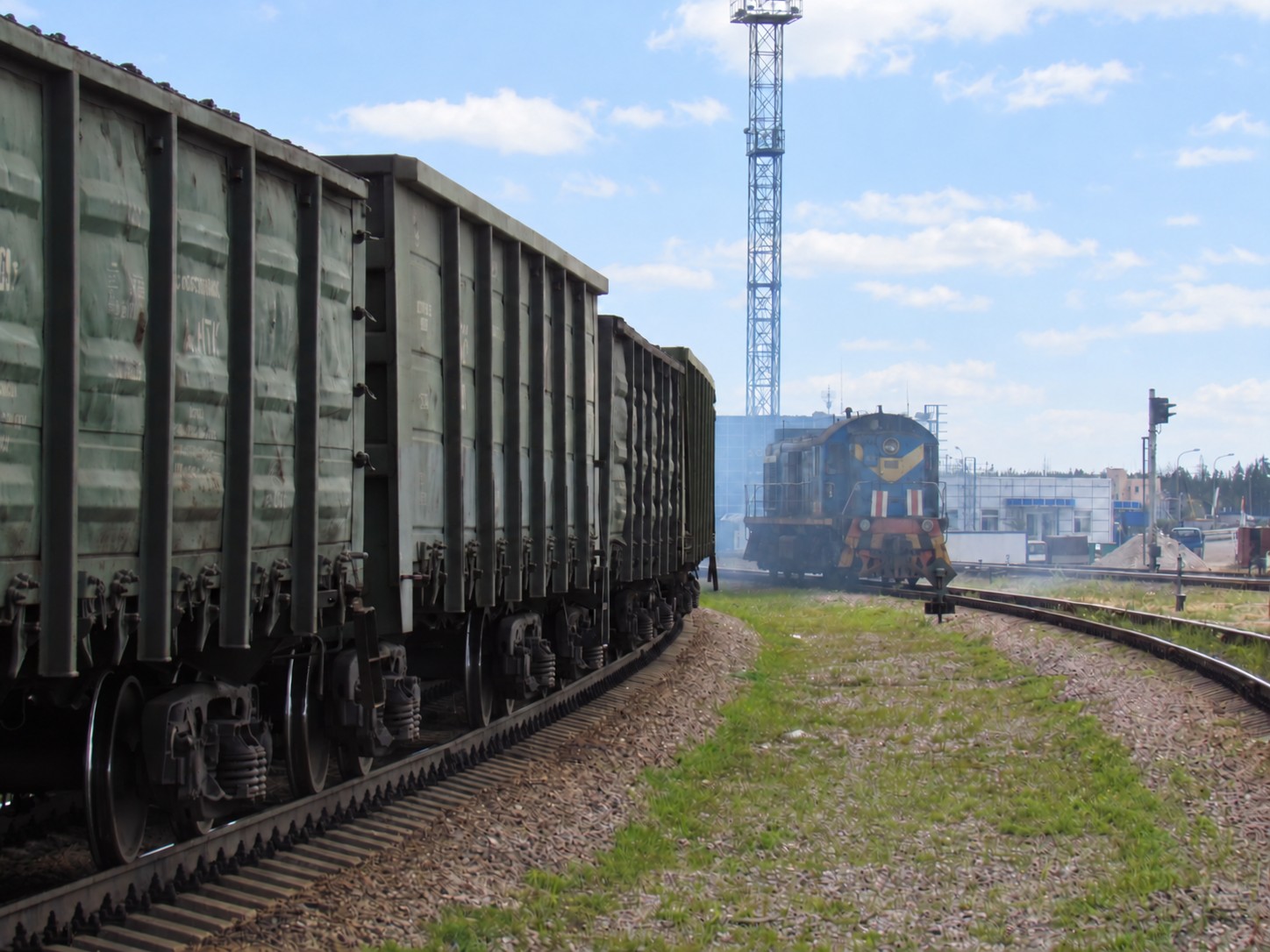
Under a new initiative, private operators in South Africa will be able to gain access to the national rail network for up to 15 years (instead of 10), while state-owned Transnet has doubled its planning horizon to two years, giving investors greater certainty for investments in locomotives and wagons.
The new rules also simplify access to available capacity outside the annual allocation: applications are submitted at least a month in advance, with decisions promised within 3–21 days. Eleven operators have already received access agreements. The main constraint is the poor state of the infrastructure itself due to underinvestment, theft, and vandalism. The 250 mio t target by 2029/2030 may only be achievable with additional financing and large-scale rehabilitation.
In China, spot prices for 5,500 NAR coal at the port of Qinhuangdao rose to 147 USD/t, though activity slowed as pre-holiday purchases largely concluded, with market participants adopting a wait-and-see stance until trading resumes on October 8 following the National Day holiday (October 1–7).
Suppliers and buyers hold opposing views on post-holiday prospects. Suppliers believe prices will find further support, while most consumers expect a correction, and authorities in Shaanxi province have stated they will push to increase coal output in the coming months to ensure adequate supplies through the winter period.
Traders are cautious about building inventories and are expected to maintain this stance for some time until there is greater clarity on the supply-demand balance. According to several sources, by mid-October the dynamics of production growth and the scale of winter demand should become clearer. Additionally, the manufacturing PMI returned to expansion territory above 50% in September after two months of contraction.
Quotations were also supported by declining inventories. Coal stocks at 9 major ports stood at 23.98 mio t (-0.55 mio t w-o-w), while inventories at 6 major coastal thermal power plants were 14.11 mio t (-0.22 mio t w-o-w).
Indonesian 5,900 GAR index rose to 115 USD/t, while the price of 4,200 GAR slightly corrected below 75.5 USD/t.
Optimistic sentiment kept Indonesian suppliers from lowering offer prices, although some traders sought to sell cargoes at relatively lower prices. Low-CV material became cheaper amid weakening demand in China, as the country enters the “golden week” holiday starting October 01. In China’s absence, demand is likely to be determined by interest from Southeast Asia, but buyers will probably begin purchasing cargoes after prices decline.
Discussions at the recent Coaltrans conference focused mainly on concerns over supply for the remainder of the current year and into 2027. Market participants still lacked clarity on the distribution of RKAB quotas for 2027 and awaited news from the government-created export body DSI, which assured that its operations and monitoring would not impede raw material export shipments.
Indonesian supply also remained precarious due to the widespread impact of dry weather on logistics. Low water levels on key river routes hindered transport and affected output at several mines.
Australian High-CV 6,000 coal prices surged to nearly 148 USD/t amid renewed concerns over the Strait of Hormuz situation. At the same time, fundamental supply factors from Australia remained largely unchanged.
Australia’s HCC metallurgical coal index dropped to 272 USD/t. The downward correction continued: quotations came under pressure from reduced demand in China and lower domestic prices. Demand in India also proved weak. Some Asian steel producers describe the current market as bearish, citing improved supply in China and limited demand.
The US and China have agreed to include imports of American coal within the framework of mutual tariff reductions, which should facilitate supplies in 2027–2028 and could eventually weigh on metallurgical coal quotations, as it accounted for 96% of US coal exports to China over the past 10 years.
The agreement envisages annual imports of 10 mio t of US coal but has not yet entered into force and requires the completion of domestic legal procedures. In 2018, China imposed an additional 25% duty on US coking coal, halting supplies from the US.
Source: CCA