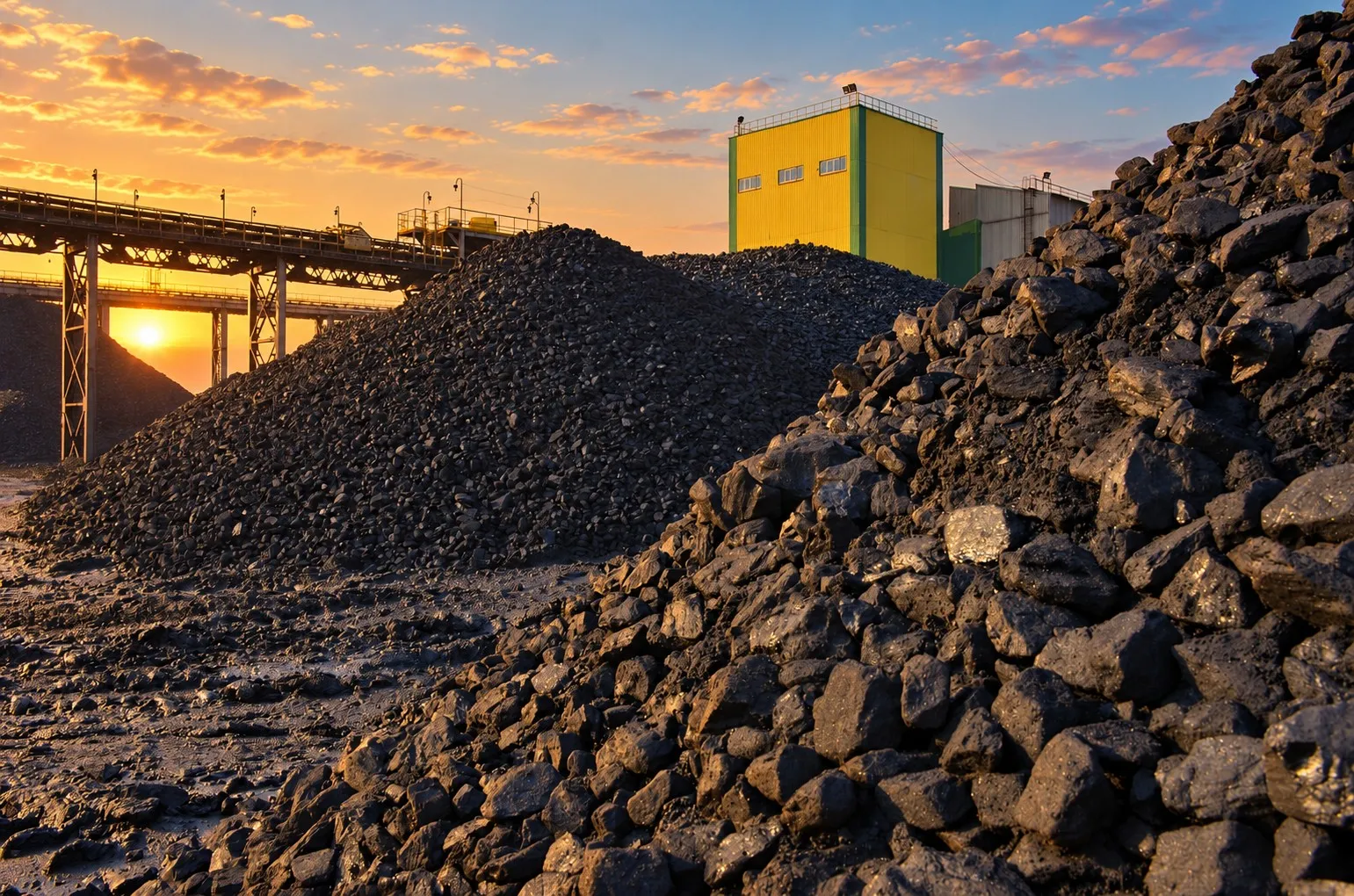



Russian coal exports could decline sharply in 2027 if the blockade of Azov-Black Sea shipments and rail capacity constraints on alternative routes continue.
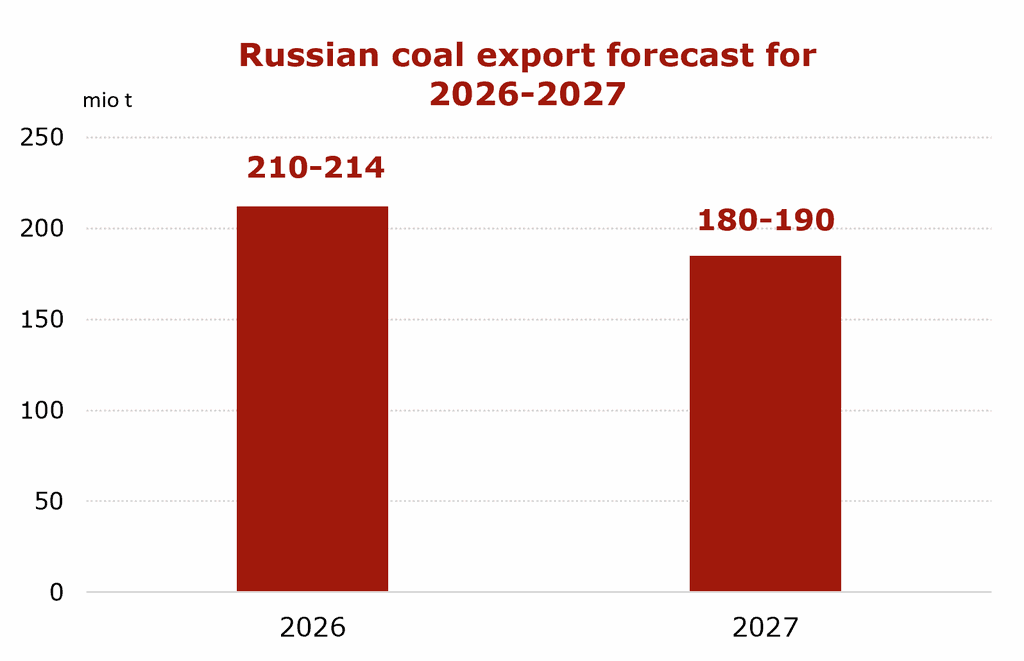
Russia’s coal exports are estimated at 210–214 mio t for 2026, depending on the dynamics of shipments to northwestern ports. If the blockade of exports through the Azov-Black Sea basin persists, the figure could drop to 180–190 mio t in 2027.
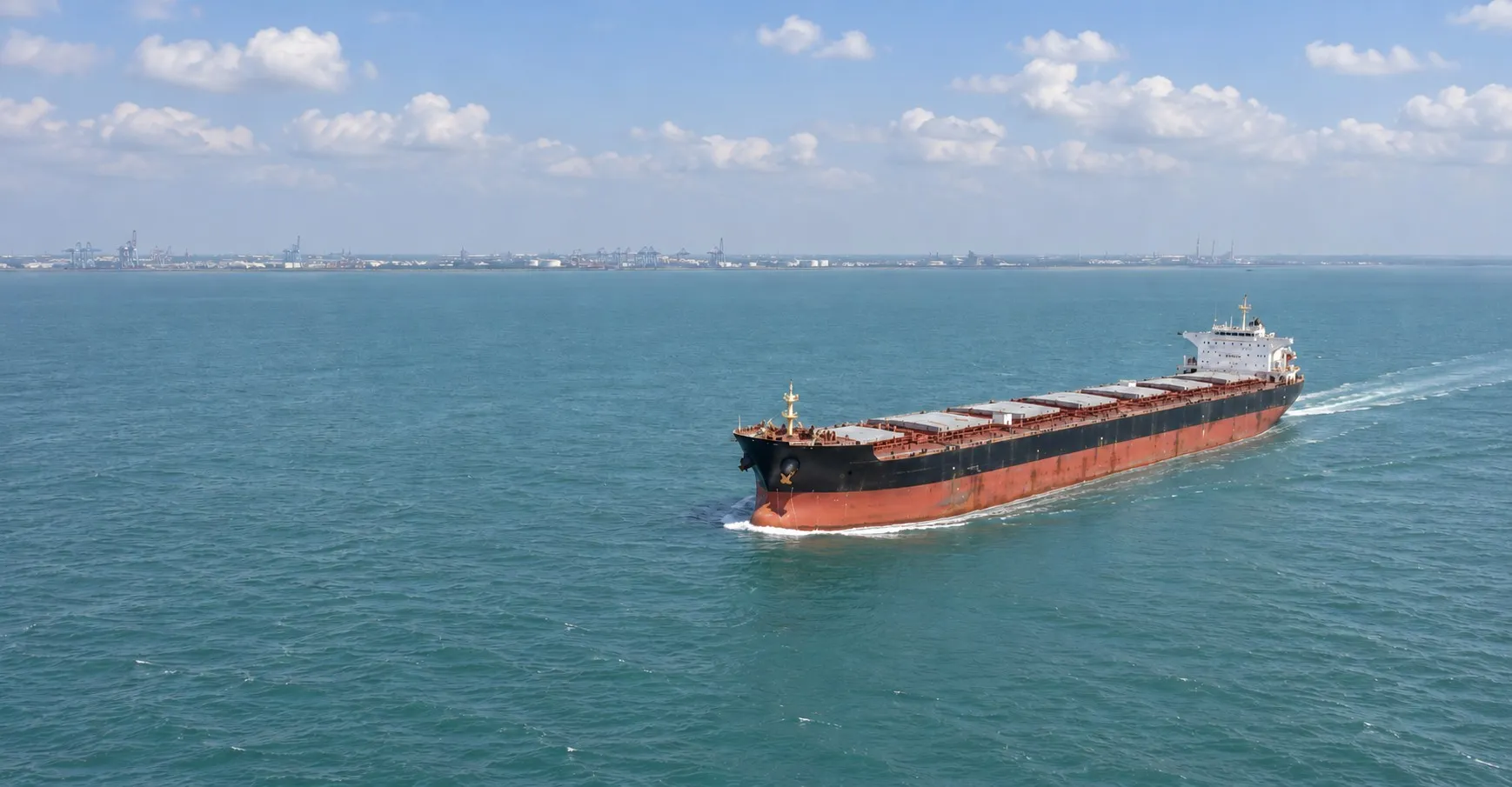
The key pressure point remains the halt in shipments from Azov-Black Sea ports. Exports of Russian and Kazakh coal through terminals in the basin have effectively come to a standstill since August 2026, following Ukrainian drone attacks on commercial vessels.
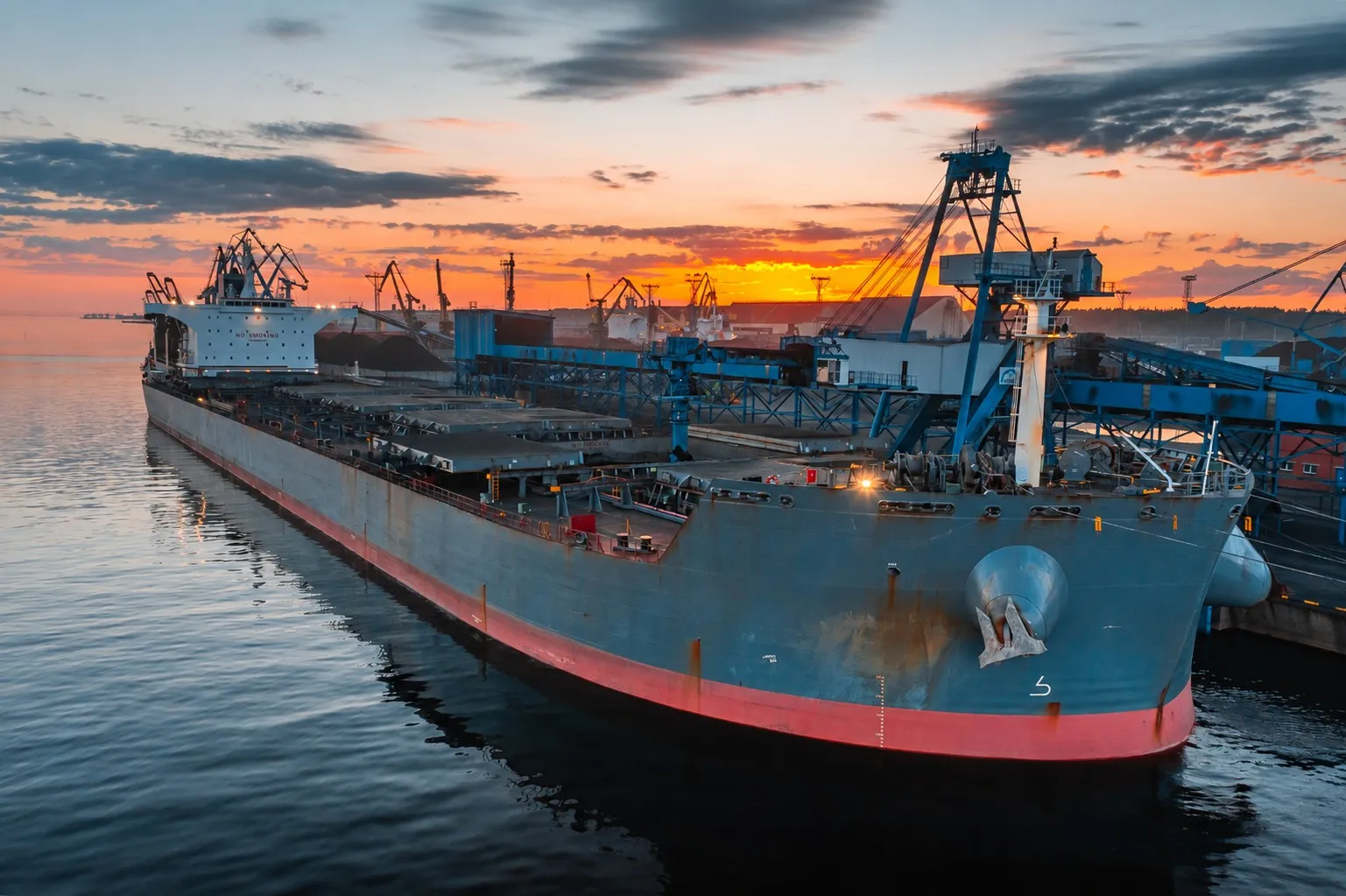
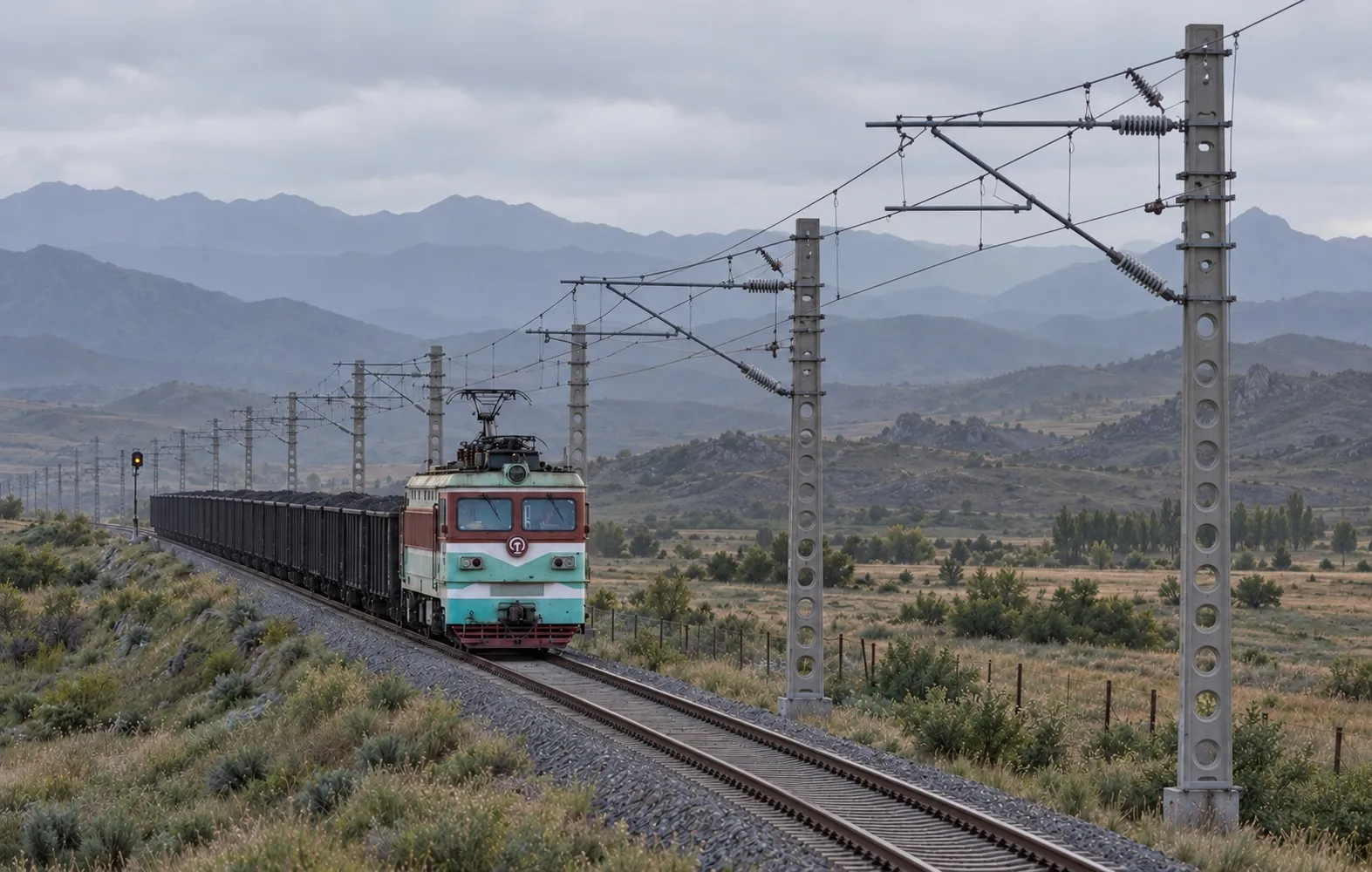
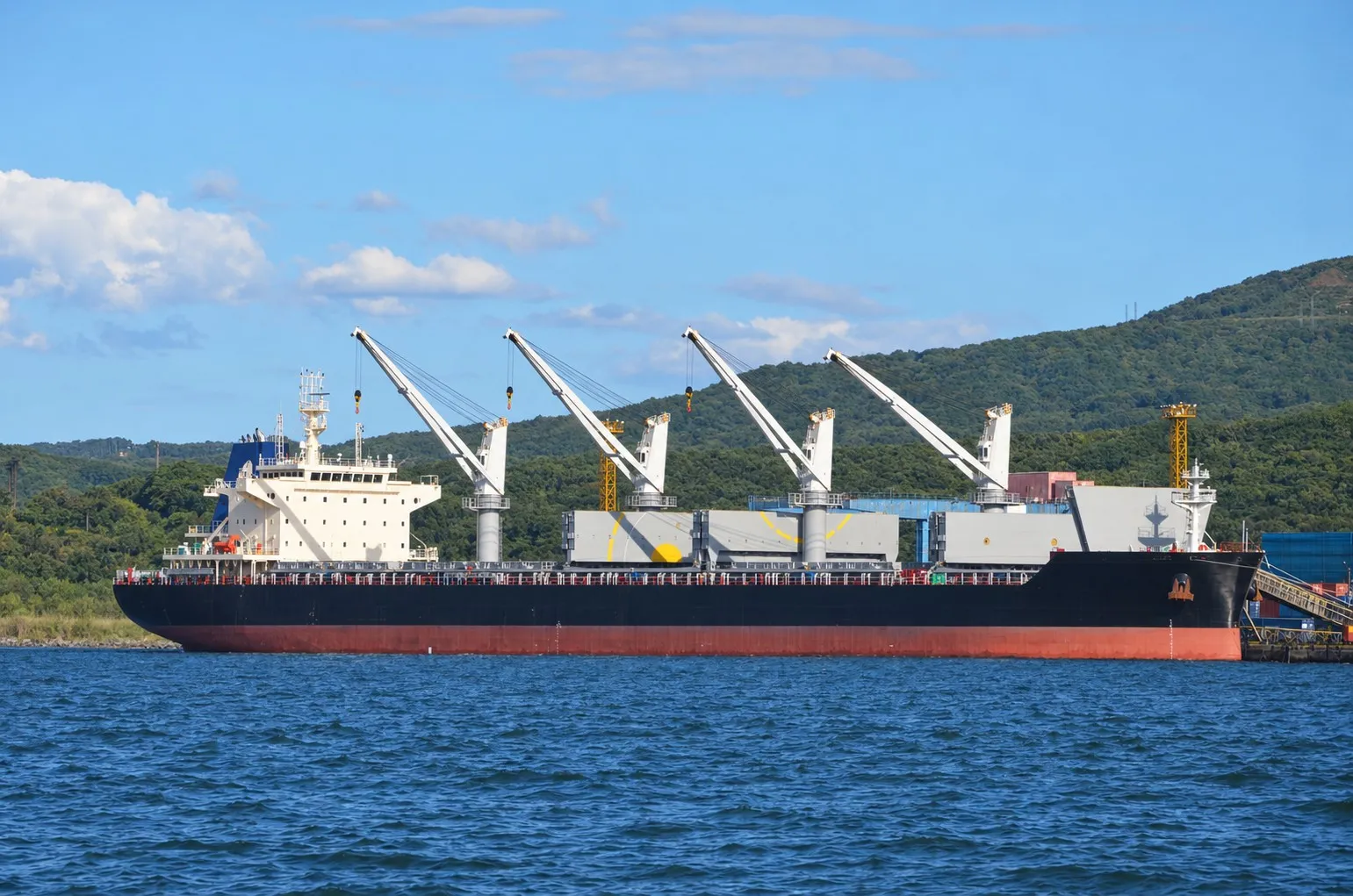
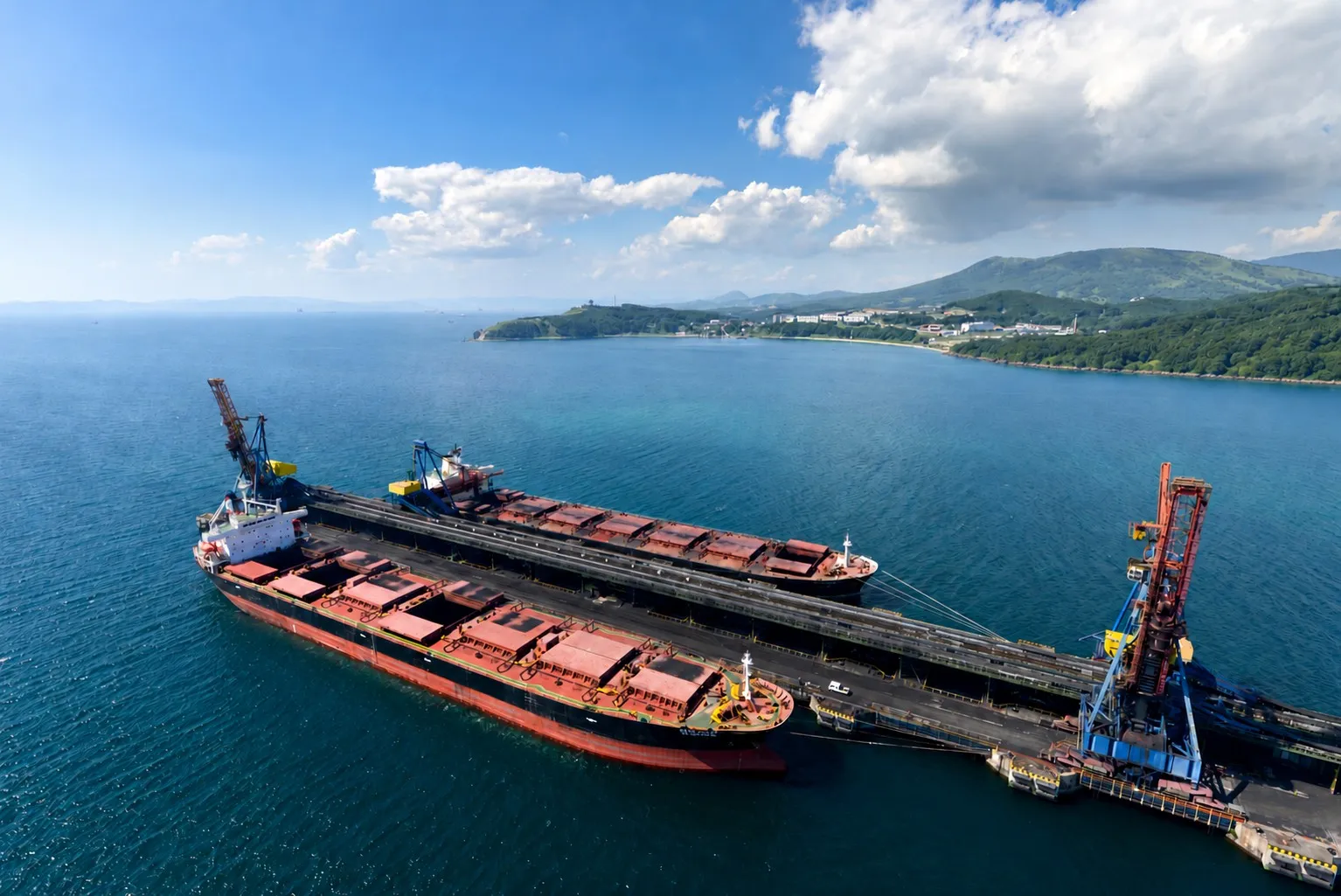
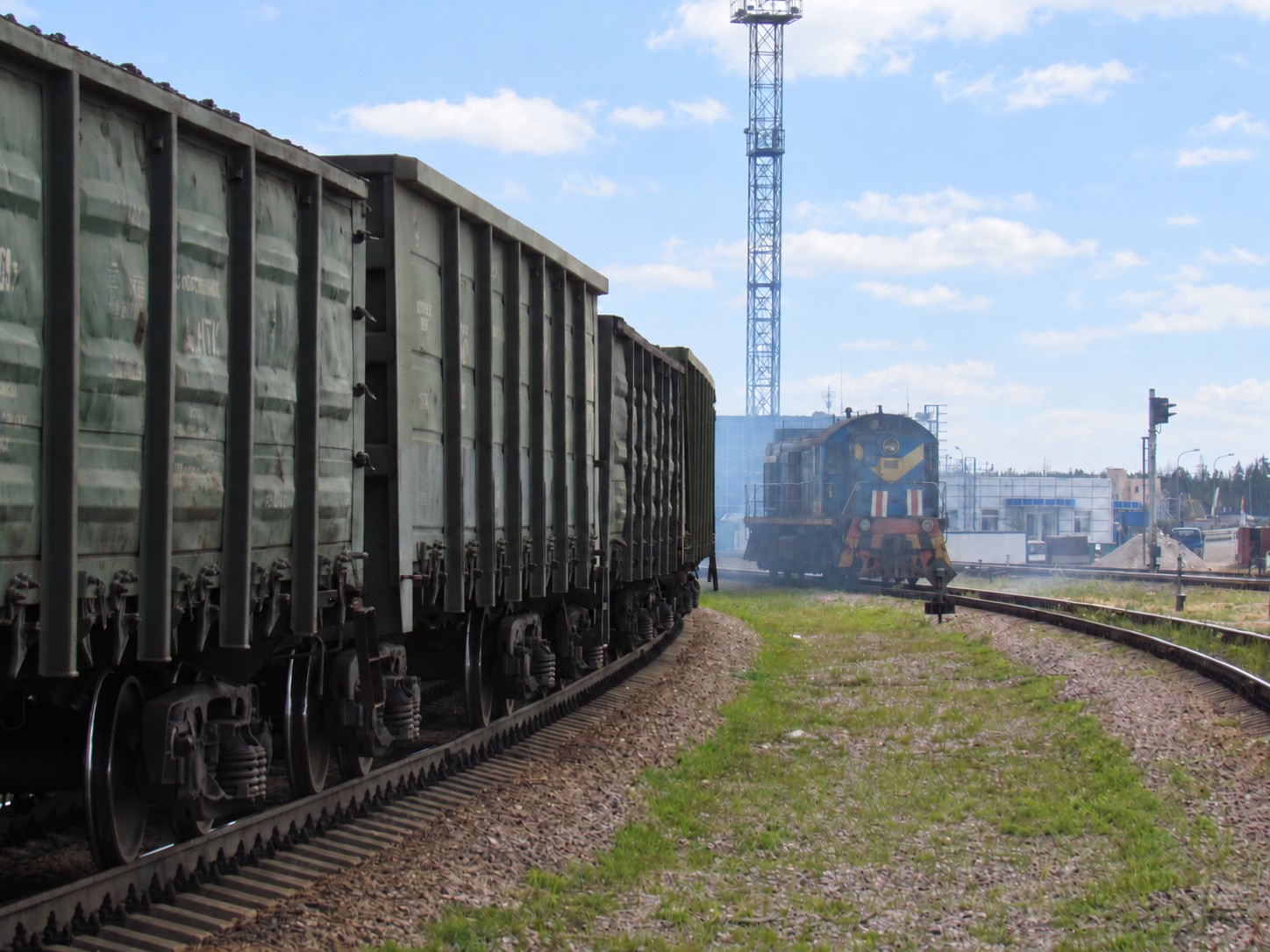
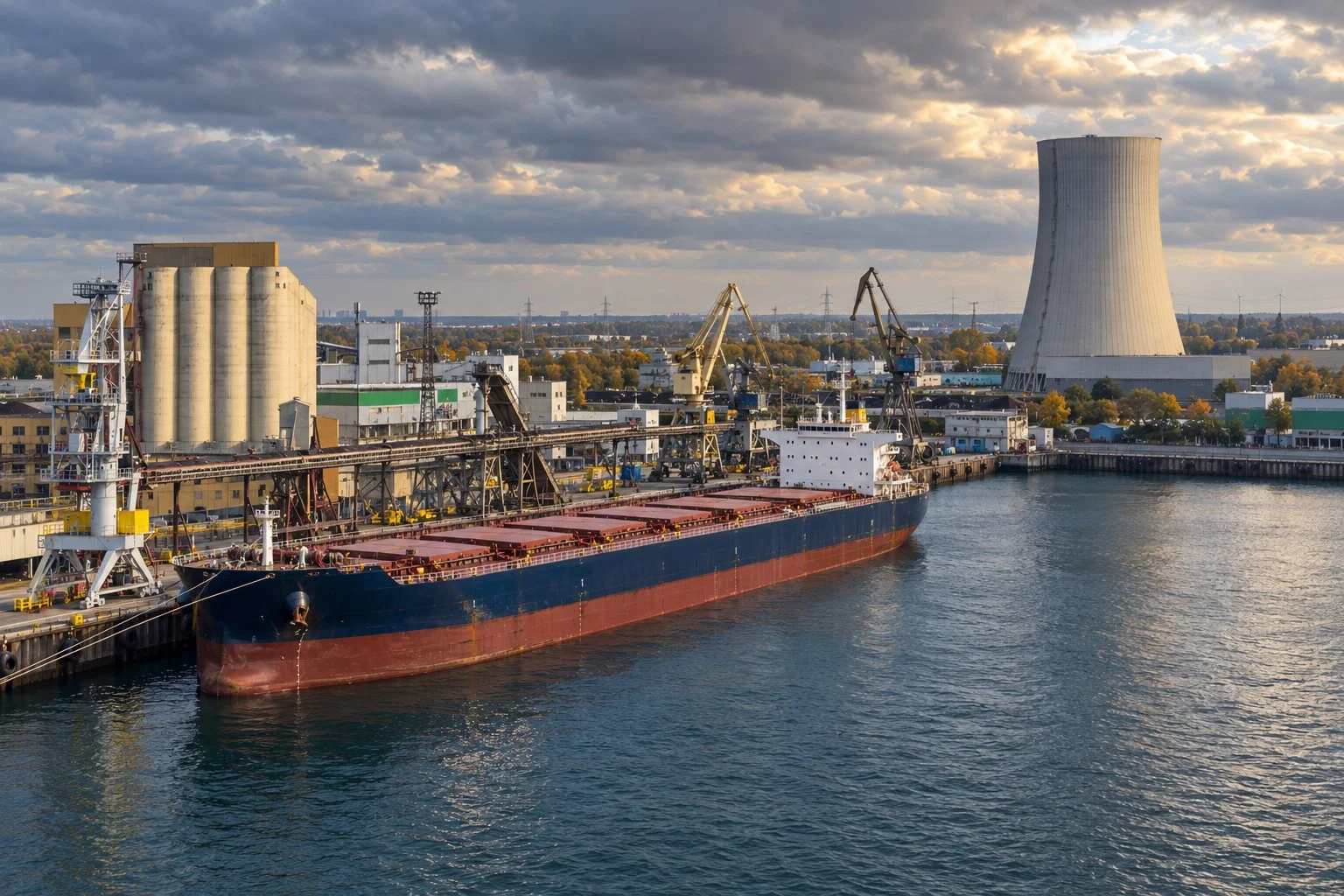
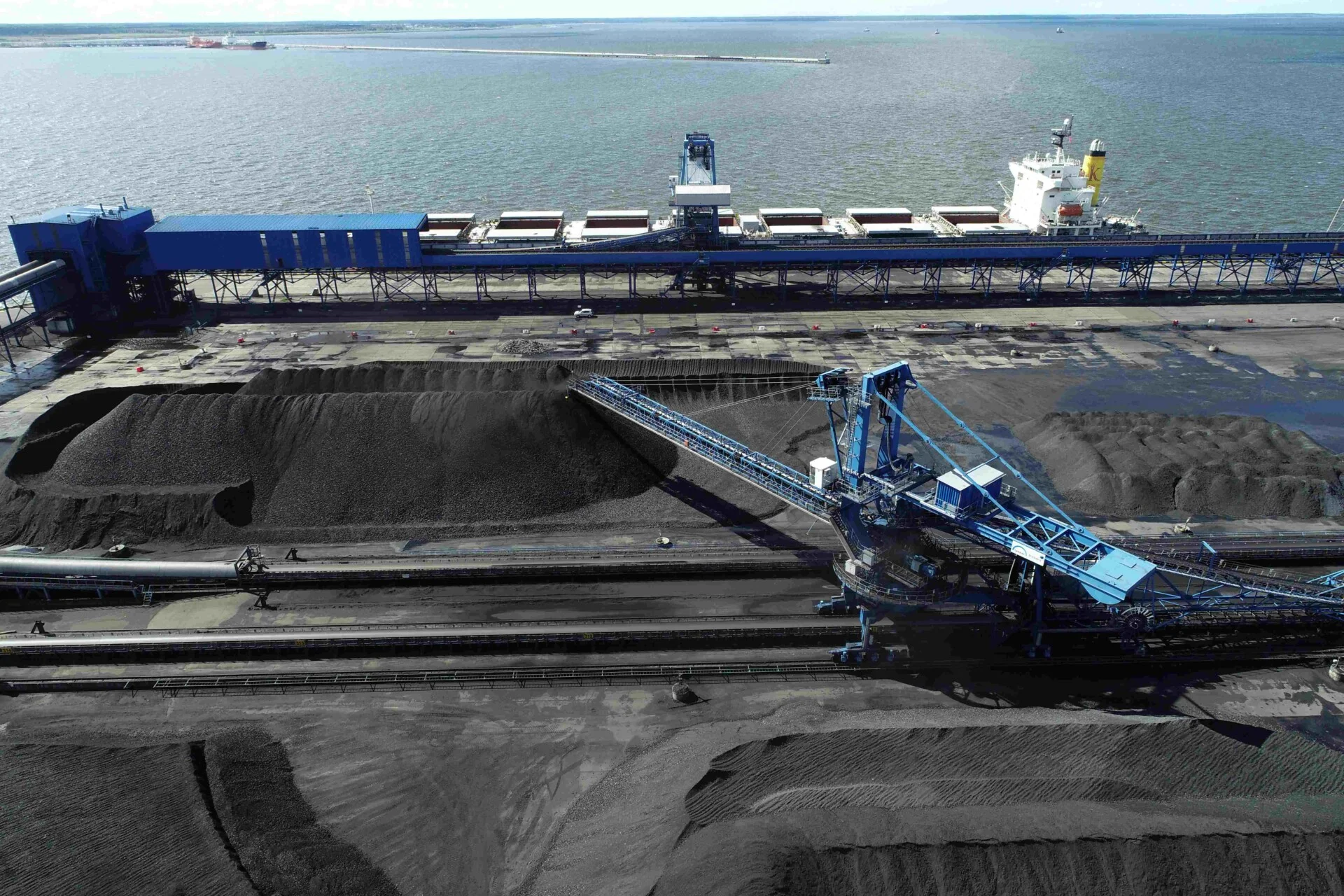
Shippers redirected volumes to northwestern ports, but the capacity of that route is constrained by existing utilization and infrastructure limitations. The capacity of Baltic terminals allows for higher transshipment volumes, but the throughput of the October Railway remains a bottleneck.
Northwestern exports rose from 4.7 mio t in July to 5.7 mio t in August and 5.4 mio t in September, nevertheless the increase did not offset the lost southern volumes. Additional pressure came from the government’s decision to prioritize grain shipments: as of October 01, grain was placed in the third category of priority, and Baltic port-side stations are operating above their standard capacity.
As a result, Russian Railways (RZD) cut its October coal shipment plans to northwestern terminals to 3.8–4.0 mio t, against around 5.5 mio t per month in August–September. Combined with the halt in transshipment at Azov-Black Sea ports, losses to the export market from October are estimated at around 3 mio t of coal per month.
Limited RZD throughput capacity towards Far Eastern ports remains a significant obstacle for coal exports. In addition, after the halt of supplies through southern ports, priority on both the northwestern and eastern routes has been given to agricultural products.
The need to redirect other cargoes from southern ports — including metals, petroleum products and fertilizers — is also forcing RZD to cut coal shipment plans on the Eastern range.
Should the blockade of exports from the Azov-Black Sea basin continue and restrictions on the western and eastern routes persist, the global coal market could lose around 25–30 mio t in 2027 if the situation is not resolved.
Source: CCA