Russian coal exports face new Baltic risks after Ust-Luga drone attacks

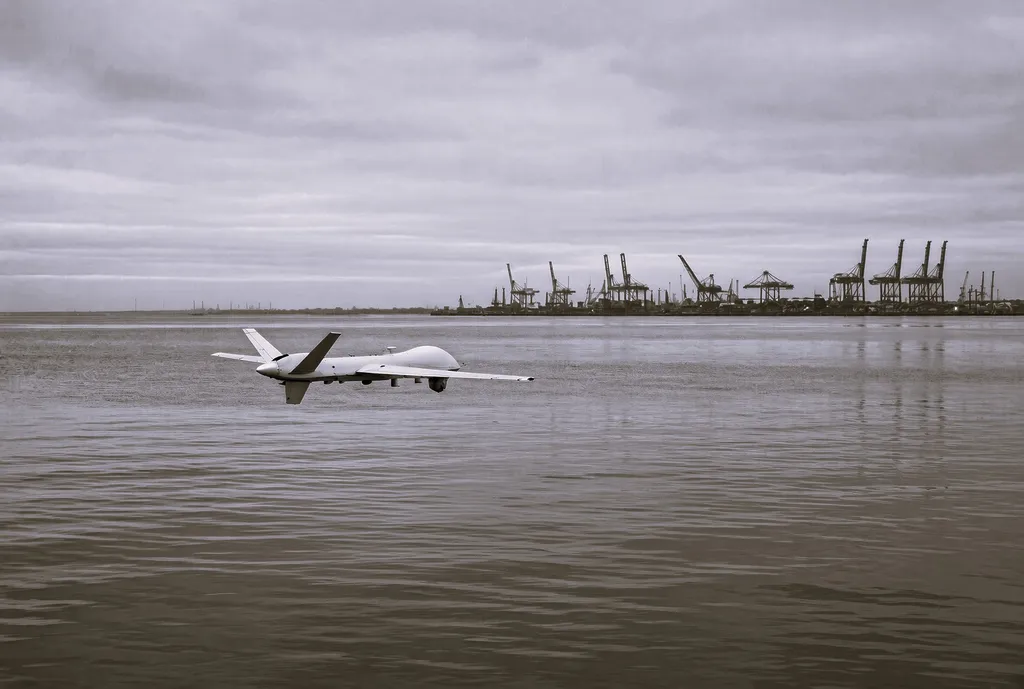
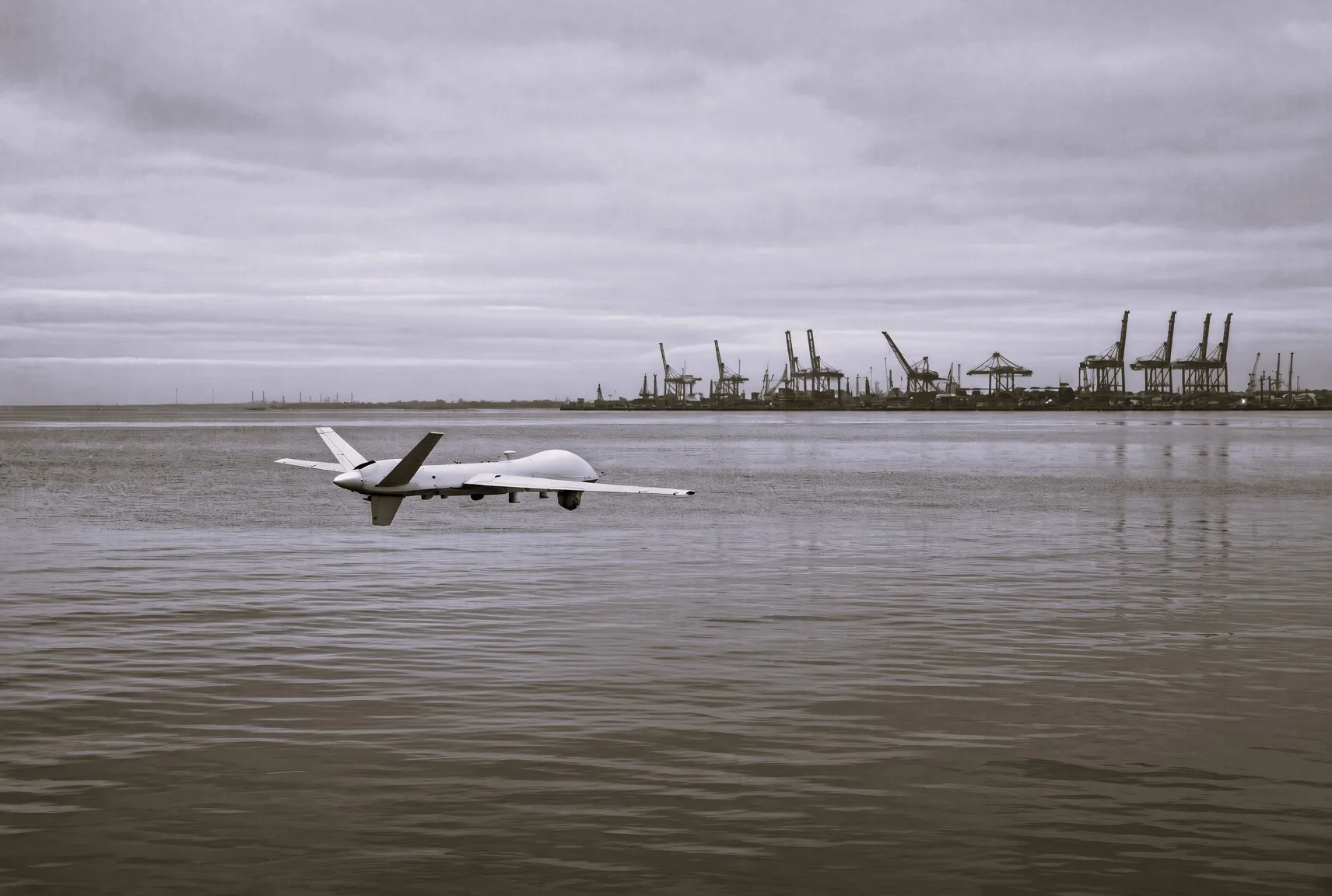
Drone flying near industrial port infrastructure at Ust-Luga, highlighting risks to Russian coal exports through Baltic terminals.

Russian coal exports face growing logistical risks in the Baltic as repeated drone attacks, limited rail capacity and rising handling costs pressure shipments through Ust-Luga.

On the night of November, 11, Russia’s North-West came under its largest drone attack since the start of the military operation, with 150 drones shot down over the region. The target was the port area of Ust-Luga. Several drones struck the site, starting a fire and injuring port workers. A transformer substation was emergency shut down; the power supply was restored following repair work.

The fire was brought under control. It was the second major attack on industrial facilities in the region in a week: on November 09, drones struck the KINEF oil refinery in Kirishi, some 100 km from St. Petersburg. The port had previously been targeted by UAVs in January, March, August and September.

Ust-Luga remains a key export hub for Russian coal in the Baltic region, particularly since shipments via ports in the Azov-Black Sea basin have virtually ceased since August 2026 due to attacks on commercial vessels. Shippers redirected volumes to the North-West, but the rail infrastructure is unable to cope with the increased freight traffic. Further pressure was caused by the authorities’ decision to prioritize grain transport: from October 01, 2026, grain was reclassified to the third priority category.

According to data on rail coal exports toward Russian Baltic ports, shipments totaled 3.7 mio t in July 2026. They rose to 4.6 mio t in August, a yearly high, before falling to 4.3 mio t in September and 3.0 mio t in October. The decline was 31% from September and 35% from August. The drop came amid competition for rail capacity with other cargoes, primarily grain and metals. For November, Russian Railways (RZD) approved only 55% of applications for coal shipments toward Ust-Luga.

Drone attacks are creating additional risks for export logistics. Transshipment and freight rates are rising. In October, coal transshipment rates in the Baltic increased by an average of 65% from September, reaching their highest level since April 2024.

The rise in transport and handling costs is having a negative impact on the profitability of Russian exporters. Coal is proving to be a more vulnerable commodity, as its price on global markets is lower than that of grain and fertilizers, making it particularly sensitive to changes in logistics even when price conditions are favourable. Going forward, this could lead to a further reduction in export volumes via the Baltic terminals.

Source: CCA

RELATED POSTS