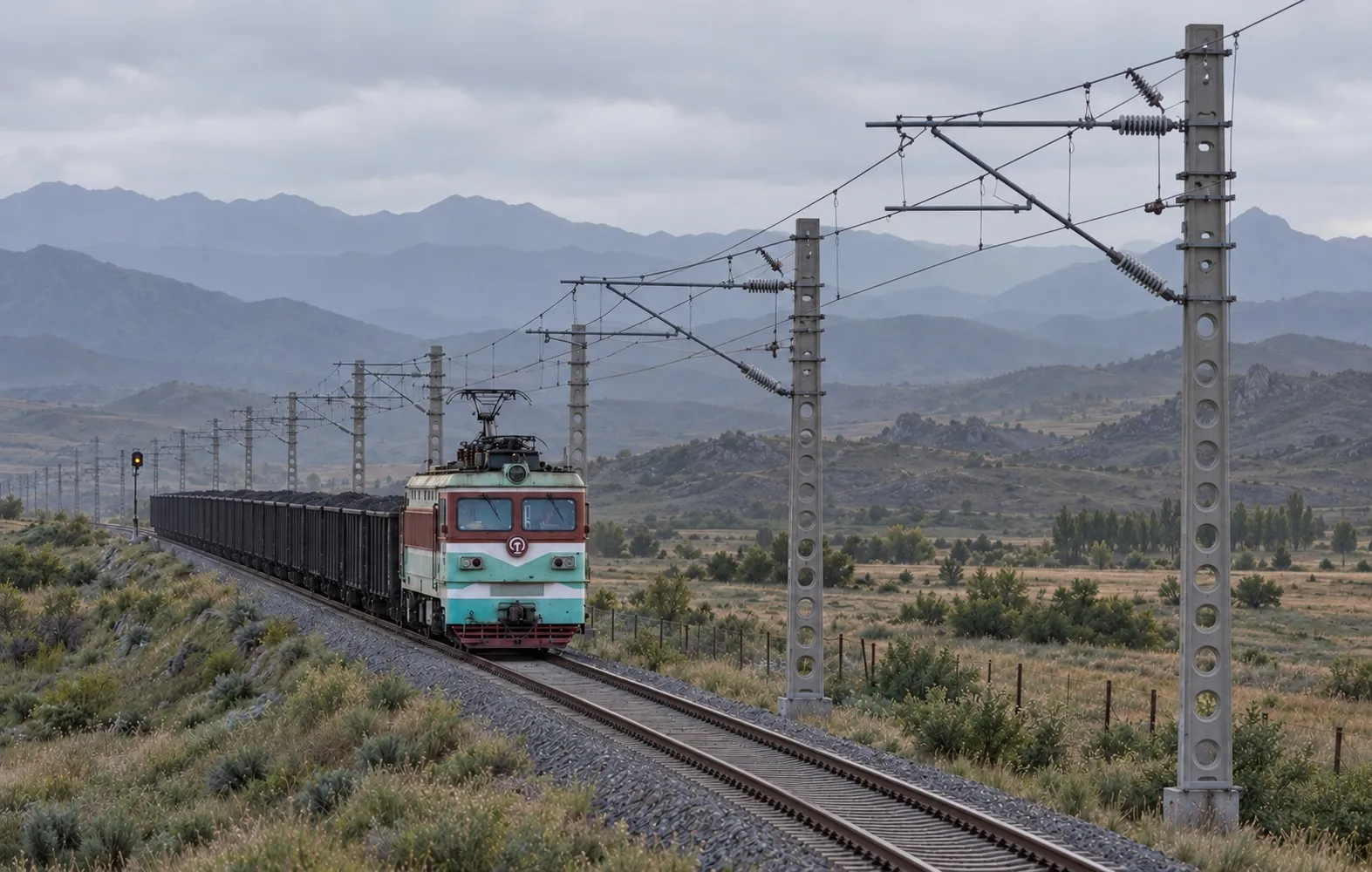


Kazakh coal transit fell sharply in October 2026 as congestion on the Russian rail network and disruption across key export routes restricted shipments to Europe.
In October 2026, total exports of Kazakh coal by rail via Russian territory dropped to a multi-month low of 0.4 mio t (-0.6 mio t or -60% vs. October 2025). From the previous month volumes declined 55.6%. Transit has been falling since July 2026 amid the blockade of shipping in the Azov-Black Sea basin, the redirection of cargo flows to the North-West and the prioritization of grain shipments.
Russian Railways (RZD) did not approve a single application for Kazakh coal transit by rail to Baltic Sea ports for October and November due to congestion on the rail network. As a result, shipments in October moved only through border crossings toward Belarus and Poland.
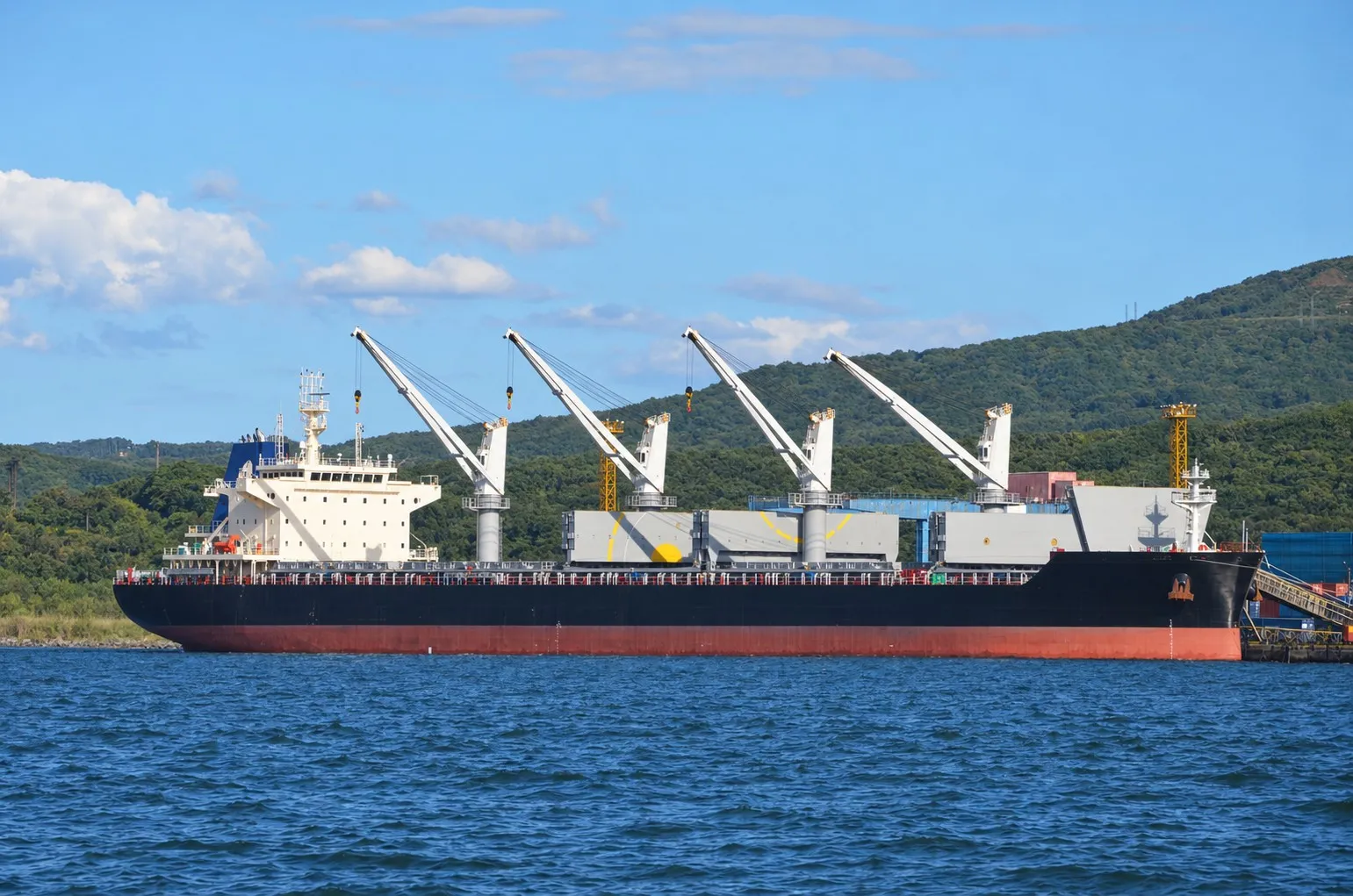
According to data on Kazakh coal transit by rail in 2026, shipments to southern ports totaled 0.34 mio t in July and 0.12 mio t in August, with volumes dropping to zero from September. Shipments to northwestern terminals reached 0.8 mio t in July, 0.9 mio t in August and 0.6 mio t in September, with rail deliveries suspended in October. Overland rail exports in October 2026 totaled 0.4 mio t, almost seven times the October 2025 level, as some of the volumes unable to reach ports were redirected to western border crossings.
In January–October 2026, Kazakh coal transit via the RZD network totaled 10.7 mio t (+0.7 mio t or +7.0% y-o-y), of which 9.4 mio t were shipped toward ports. The growth was driven by positive dynamics in H1 2026 (+31.4%), while from July onwards, monthly volumes fell below the previous year’s levels: in July-October, the decline stood at 21.7% vs. the same period in 2025.
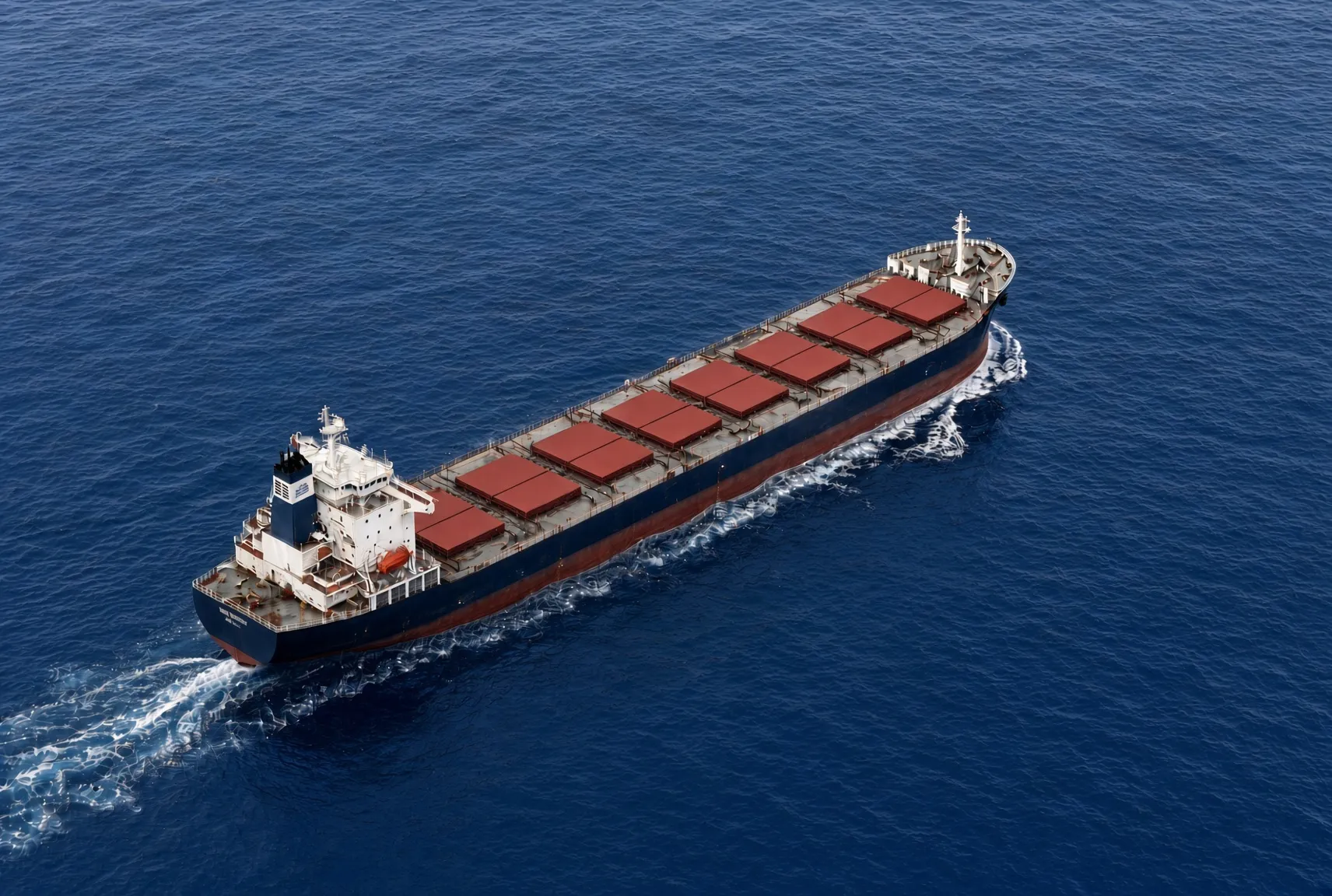
The European Union and Turkey remain the main consumers of Kazakh coal. Amid the reduction in supply, European benchmarks continue to strengthen. Prices for Russian thermal coal of 6,000 kcal/kg in the Baltic region rose to 108–115 USD/t FOB in November from 74–76 USD/t FOB in July, when attacks on vessels in the Azov and Black Seas began to intensify.
Beyond the loss of Kazakh volumes, the market is also under pressure from the conflict in the Strait of Hormuz, which has pushed gas and oil prices higher, as well as low gas inventories in the EU ahead of the heating season.
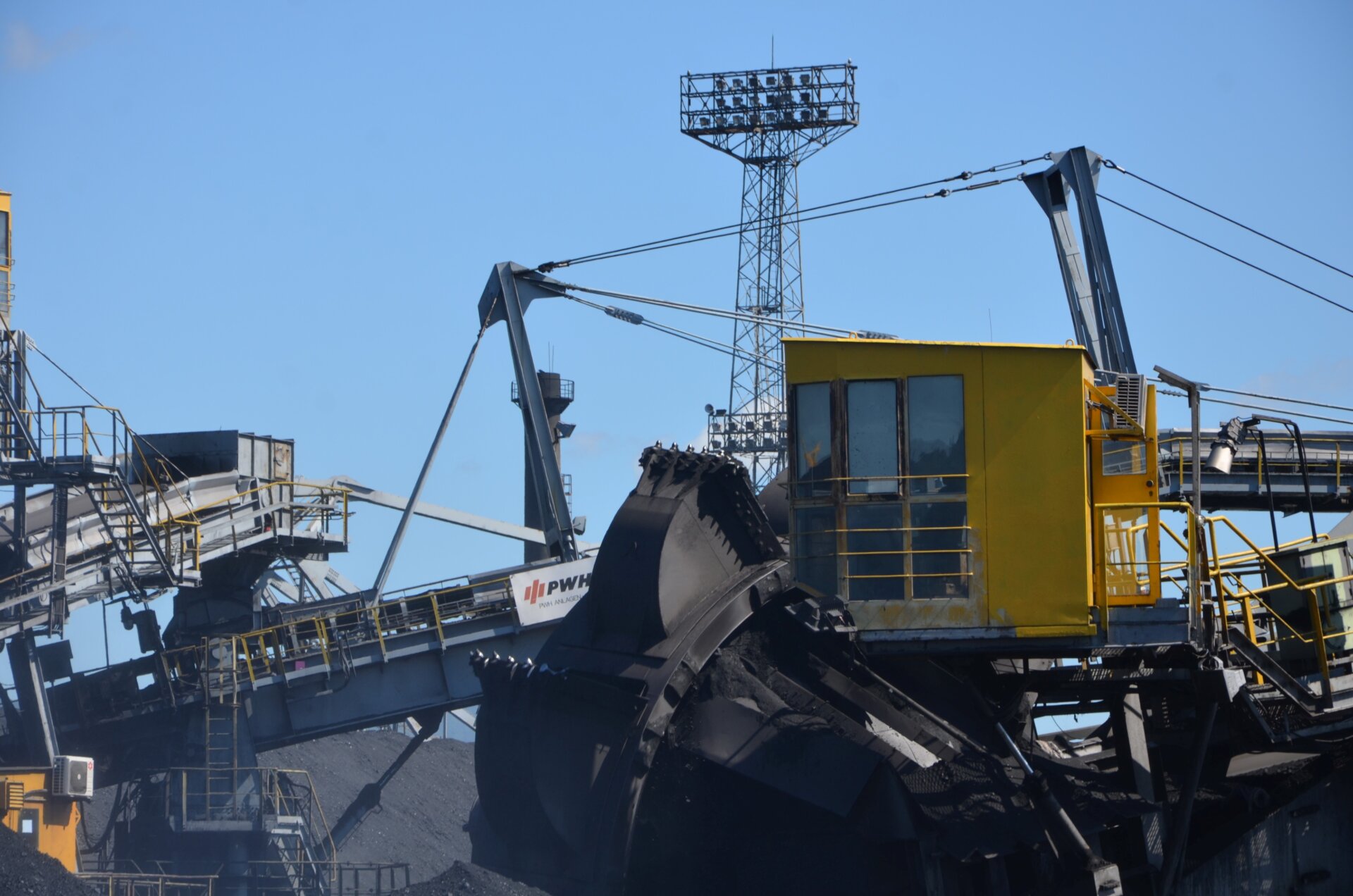
The restrictions have also affected Russian shippers: for November, RZD approved only 55% of applications for coal shipments toward Ust-Luga. The redirection of cargo flows from the south to the northwest has intensified competition for rail capacity among export commodity groups, pushing up freight and transshipment rates.
In October, the average coal handling tariff in the Baltic rose 65% from September, reaching its highest level since April 2024. Higher transport and transshipment tariffs are compounding the already negative margins of Russian coal exporters, which could lead to a further reduction in exports through Baltic terminals.
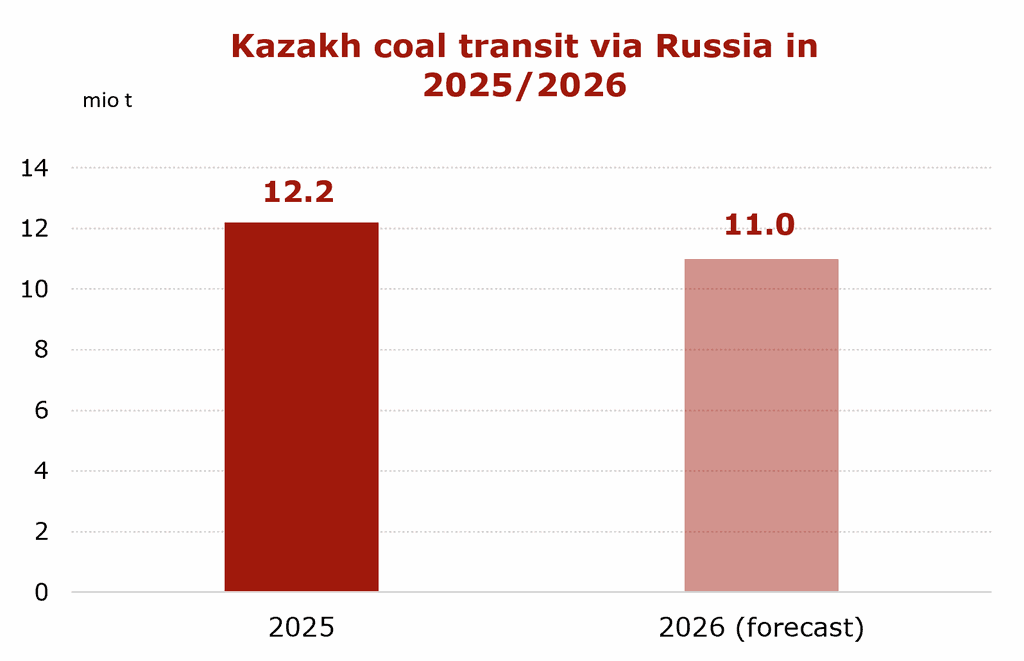
A recovery in Kazakh coal transit will be possible once the situation in the Azov-Black Sea basin and Baltics has stabilized. Otherwise, coal supplies from Kazakhstan via Russia are expected to total around 11.0 mio t in 2026 (–10% vs. 2025).
Source: CCA