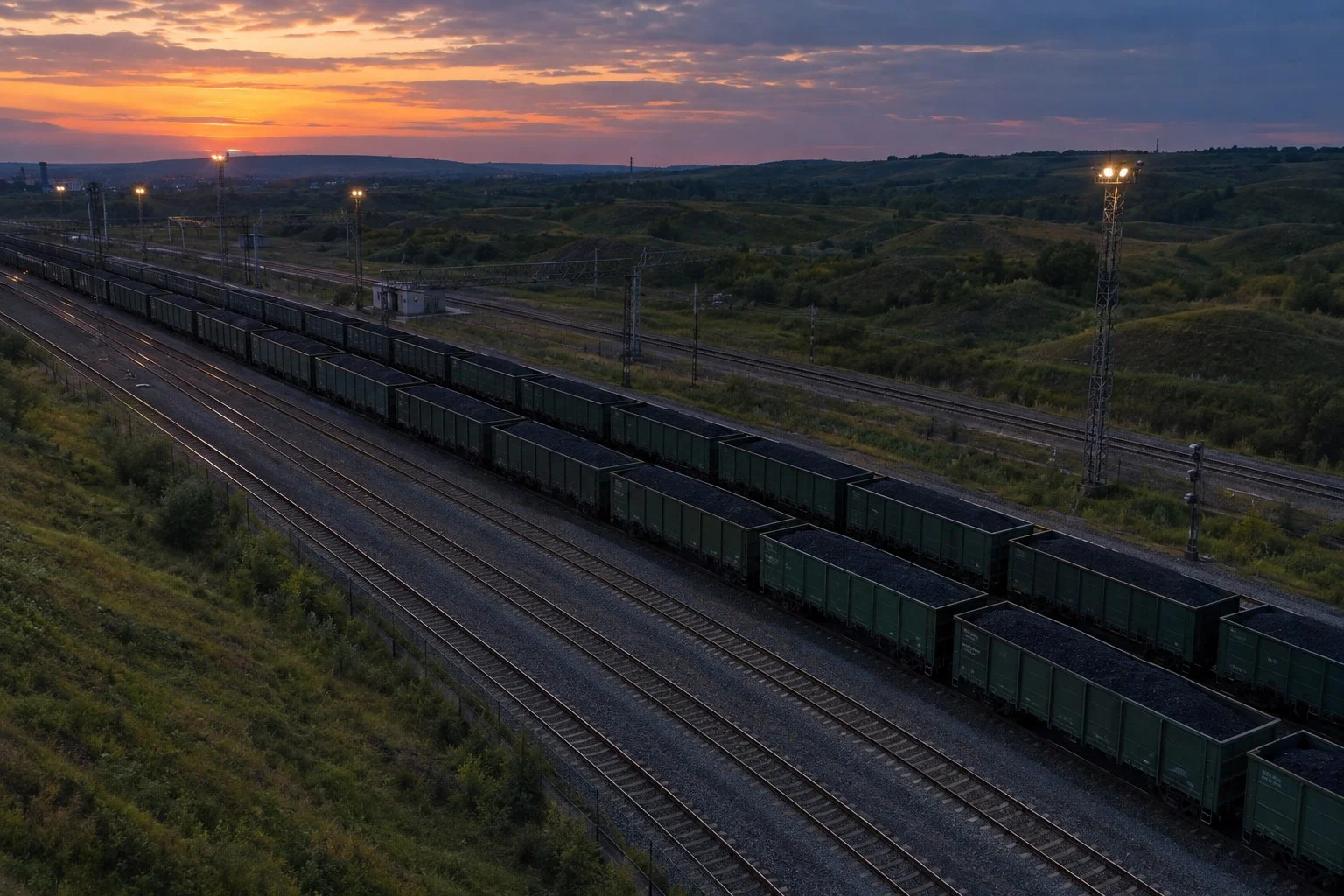
Alaska is moving forward with plans to build a new coal-fired power plant, marking the first such development in the United States in over a decade. Backed by a $1 billion investment, the project highlights renewed focus on firm baseload power in the state’s Railbelt.
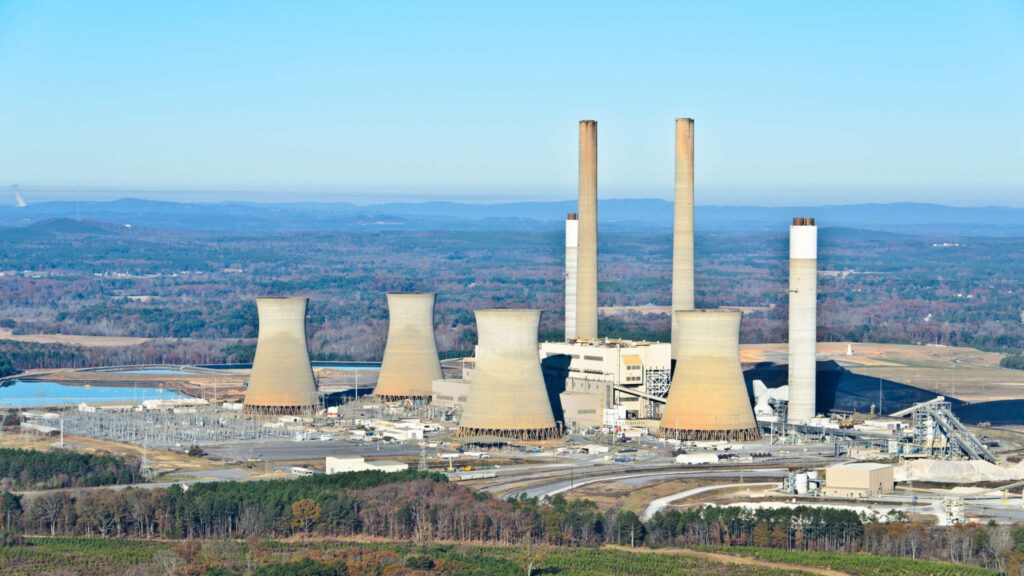
A proposed coal-fired power plant in Alaska has taken a major step forward, with Terra Energy Center securing a $1 billion investment commitment and an in-principle agreement with HD Hyundai Heavy Industries for boiler supply. If completed, it would be the first new U.S. coal-fired power plant since 2013.
The project centres on a 400 MW supercritical coal-and-biomass facility with integrated carbon capture and storage (CCS) in the West Susitna region. Captured CO₂ would be transported to the depleted Beluga River gas field for permanent storage. Total costs are estimated at around $3.5 billion, with federal 45Q tax credits and potential Department of Energy support expected to play a key role in project economics.
The Alaska coal-fired power plant reflects the state’s distinct energy challenge. In the Railbelt—home to most of Alaska’s population—natural gas has long been the dominant fuel, but declining Cook Inlet production is raising concerns over supply security and potential LNG imports later this decade. Existing coal plants continue to provide baseload capacity, while renewables remain insufficient to fully replace firm generation.
Analysis from University of Alaska Fairbanks indicates that additional firm capacity will be required to avoid price volatility and reliability risks. In this context, a coal-fired power plant with CCS could deliver continuous power while preserving limited gas resources for heating, potentially lowering overall system costs compared with gas-fired peaking plants supporting intermittent renewables.
The project also aligns with broader infrastructure developments, including the Alaska LNG export initiative. By reducing gas demand for power generation, a coal-fired power plant could help free up supply for both domestic use and export.
While coal capacity continues to decline across much of the United States, the Alaska coal-fired power plant highlights a more region-specific approach—leveraging local resources, integrating CCS, and prioritising reliability in a constrained energy system.
ADDITIONAL RESOURCES
Study calls for a coal-fired power plant in Southcentral Alaska