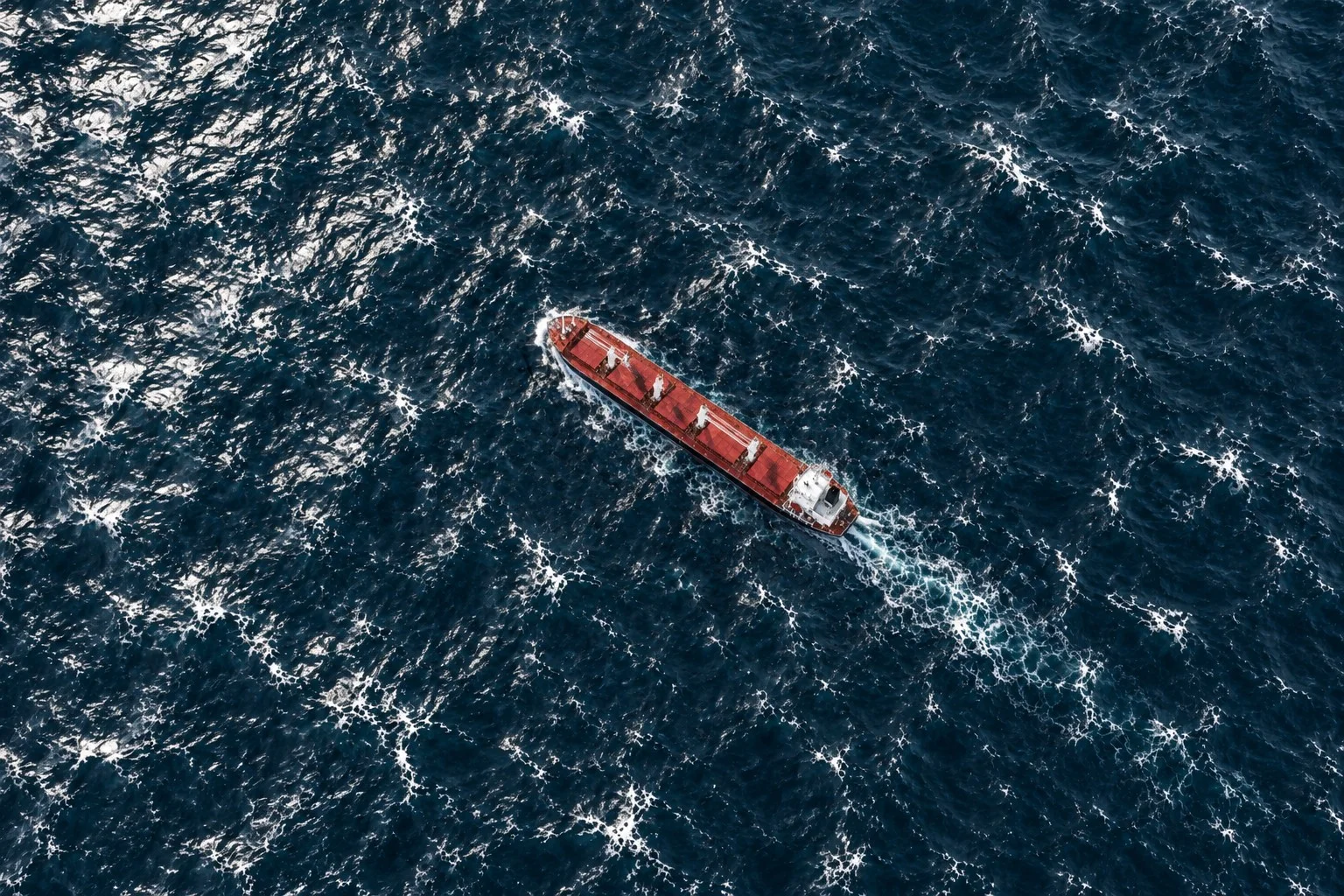
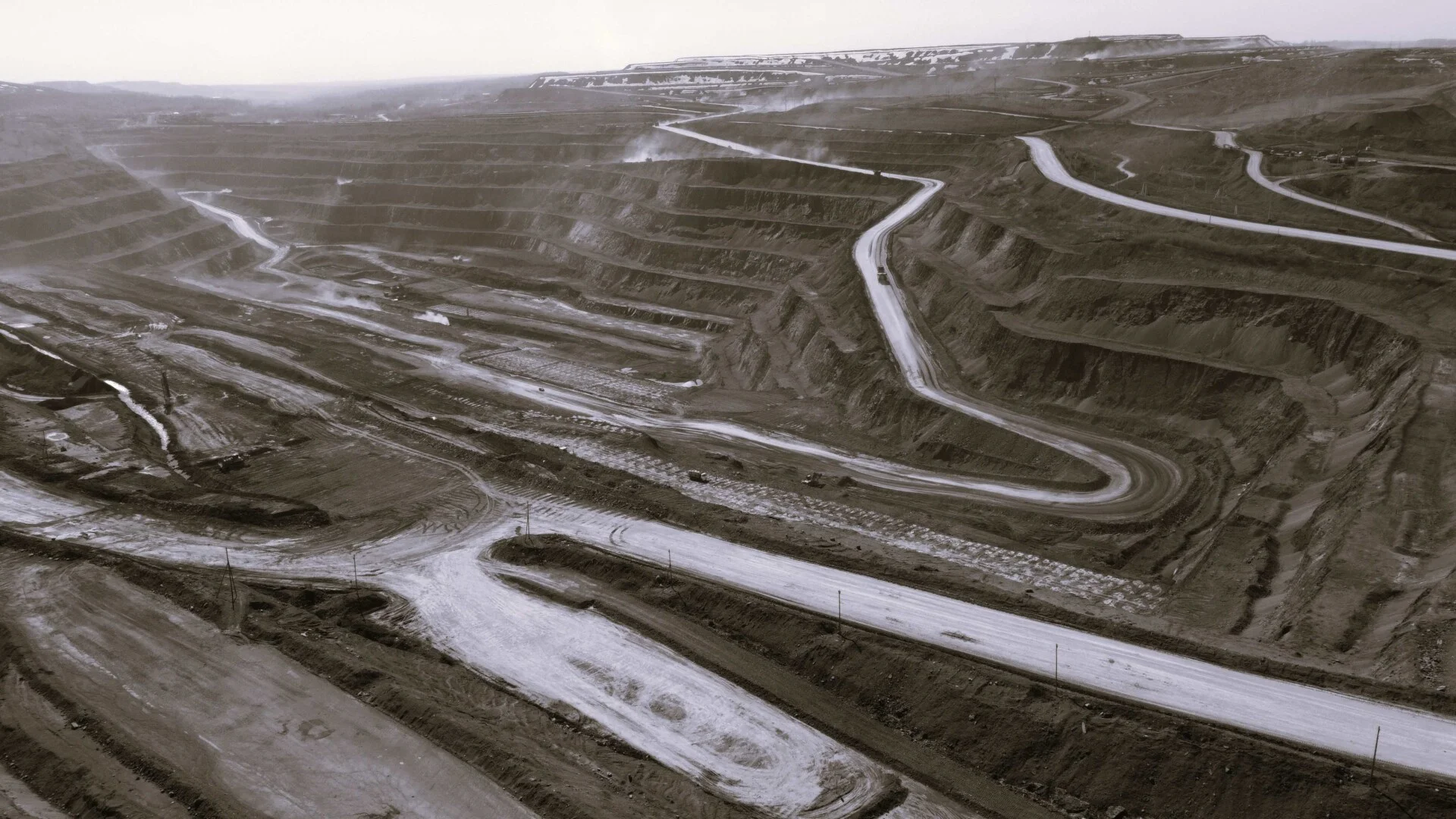
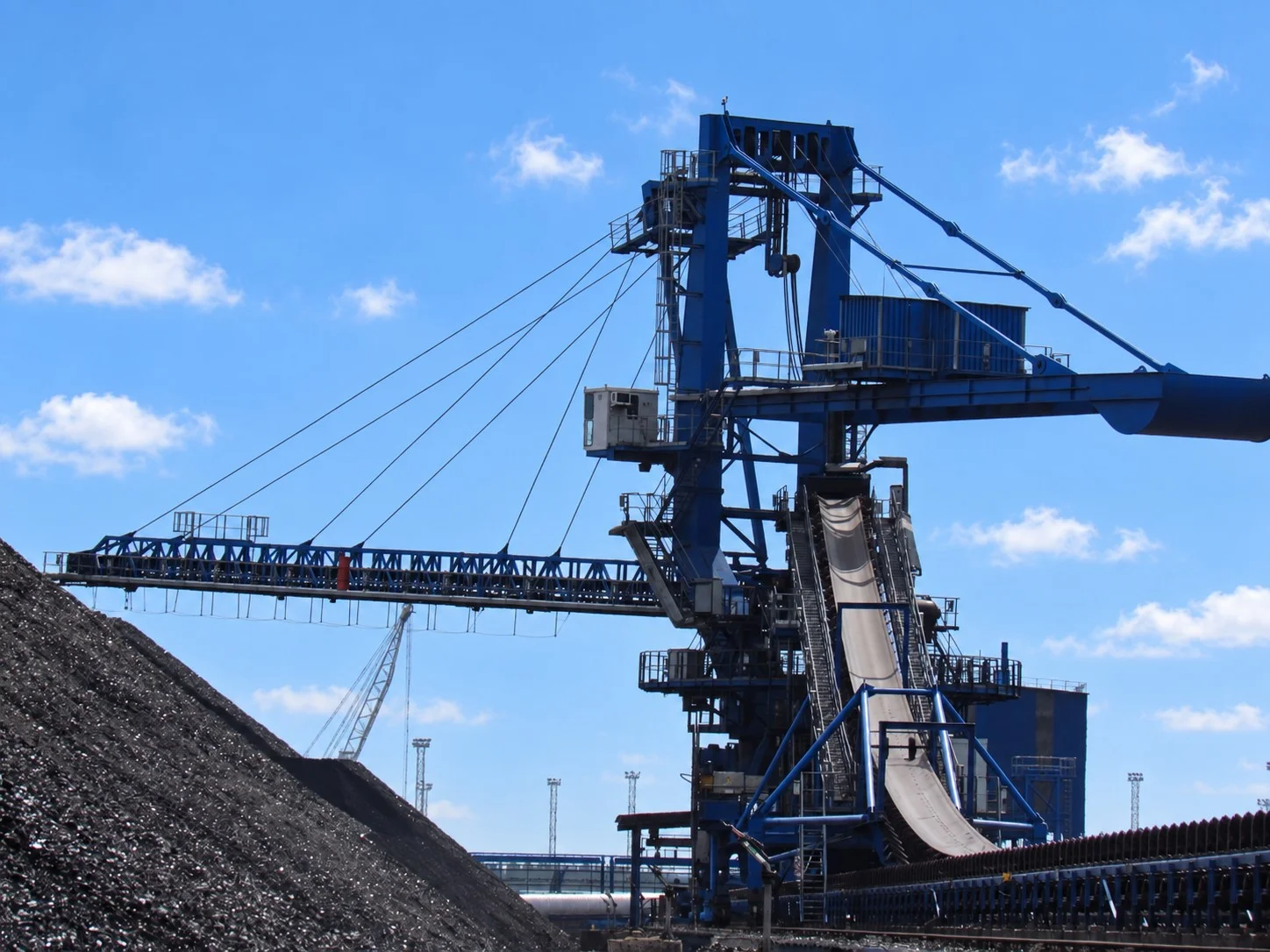
Russian coal exports continue to shrink as the halt in Azov-Black Sea shipments and capacity constraints at Northwestern ports reduce available export volumes.
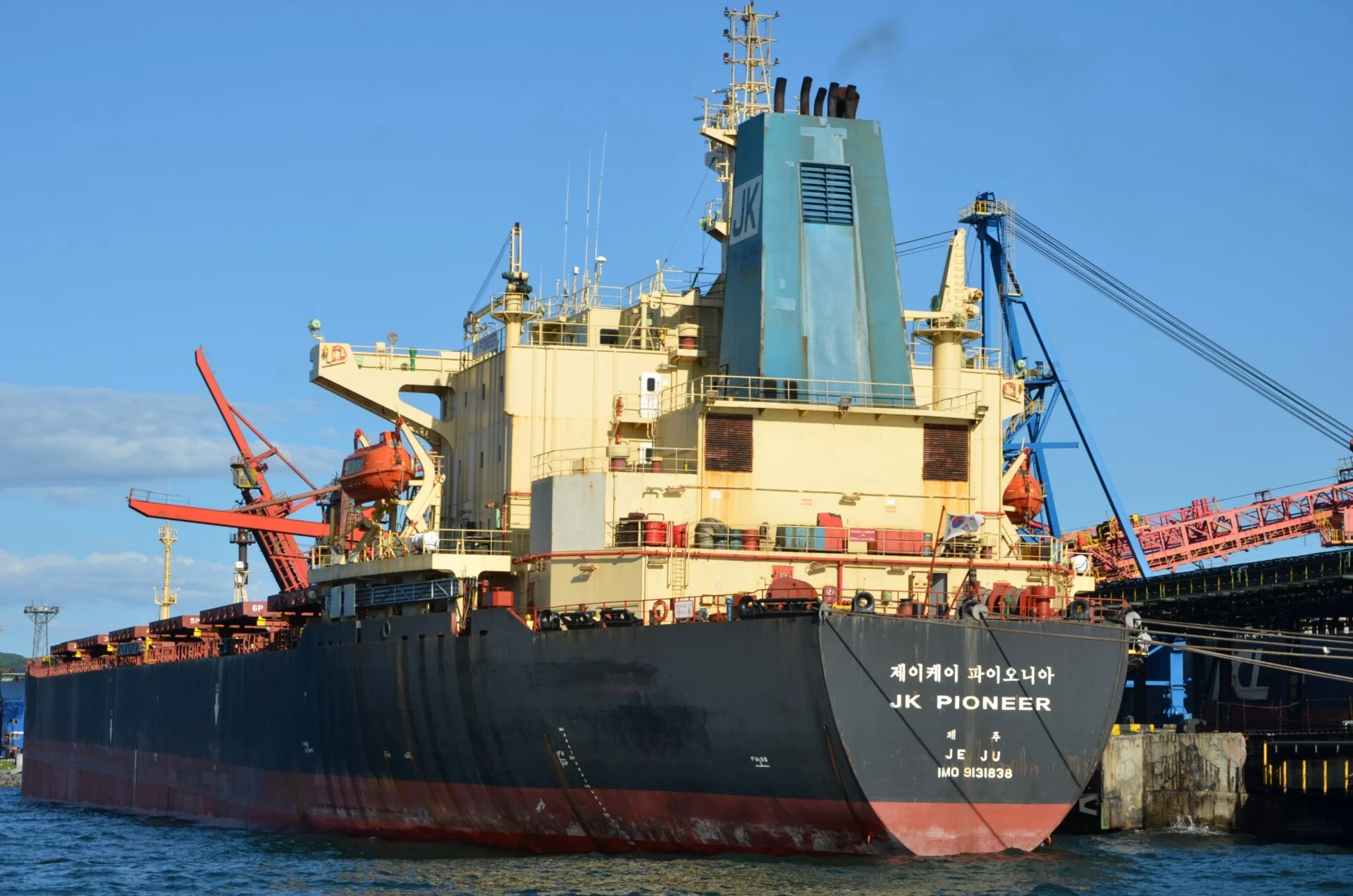
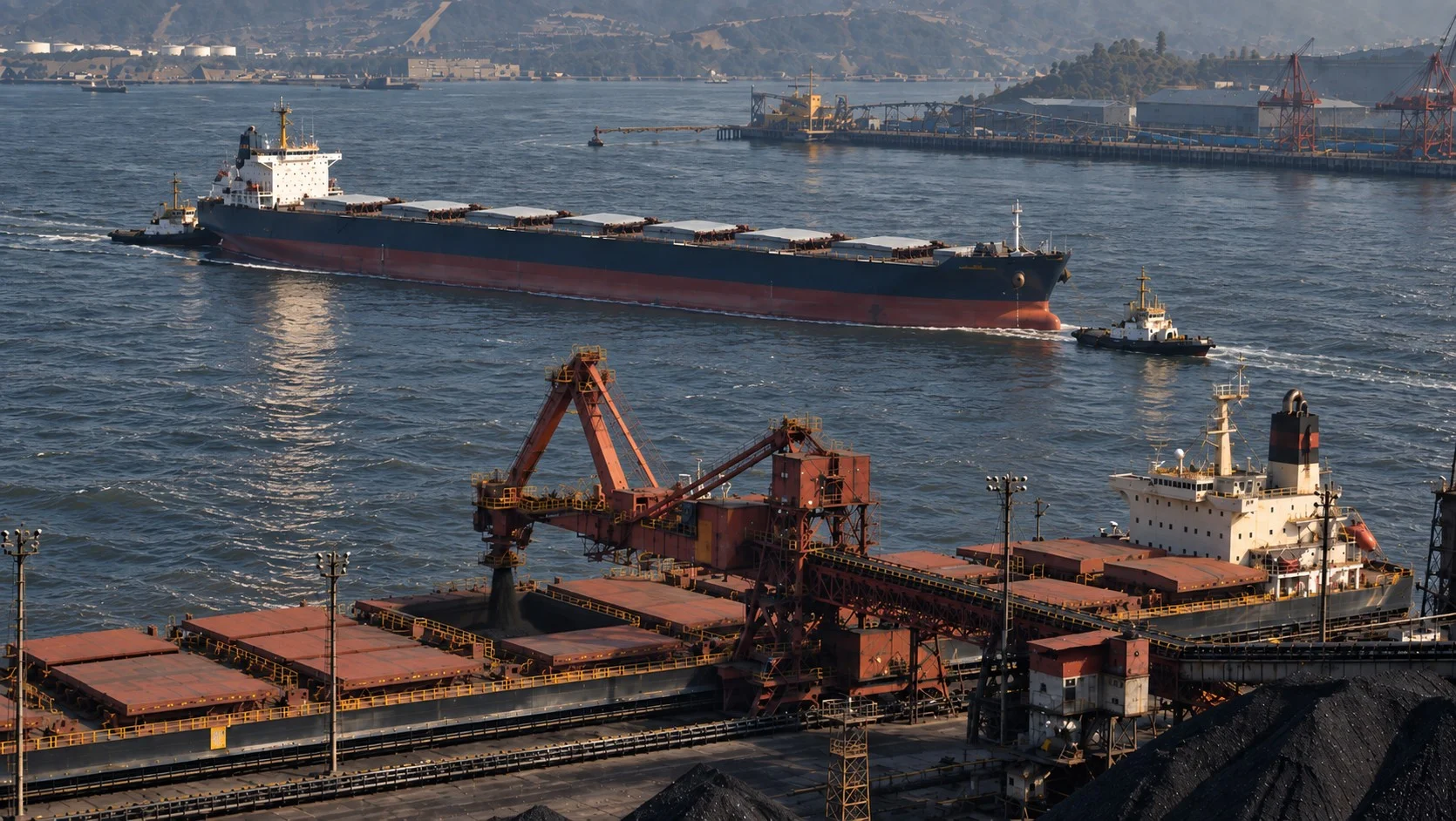
Russian coal exports through Azov-Black Sea basin ports have effectively come to a halt since August 2026, following a series of Ukrainian drone attacks on commercial vessels, that blocked shipping in the region. Suppliers have begun redirecting volumes to Northwestern ports. However, the capacity of that route is limited by existing utilization and infrastructure constraints.
Shipments from Southern ports dropped from 2.7 mio t in June to 2.0 mio t in July and have been virtually suspended since August 2026.
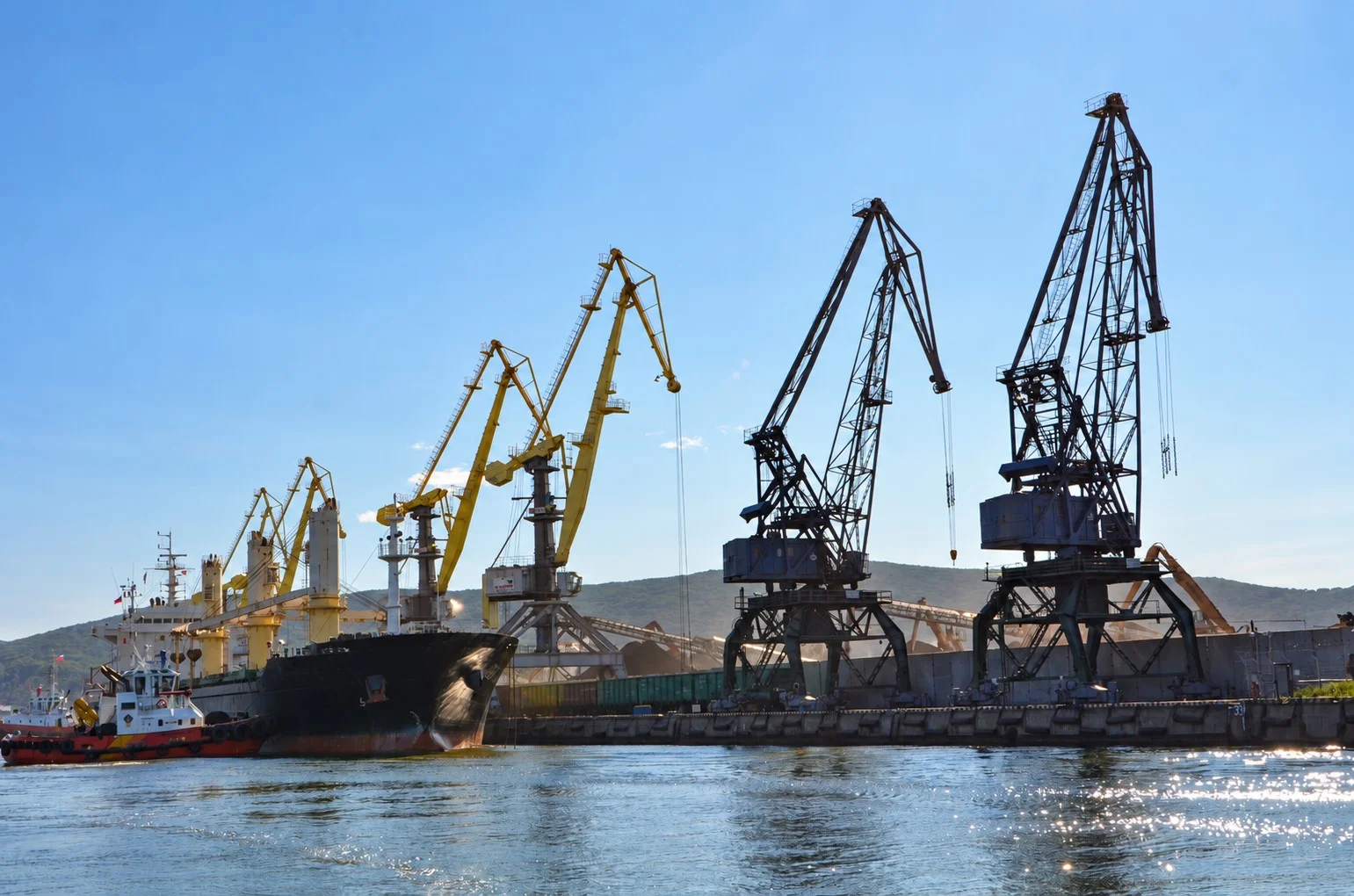
Northwestern terminals have absorbed the bulk of the compensatory flow. Export shipments rose from 4.7 mio t in July to 5.7 mio t in August and 5.4 mio t in September. Even so, the increase has not offset the lost Southern tonnages.
Additional pressure on the Northwestern route came from the government’s decision to prioritize grain shipments. As of October 1, grain has been placed in the third category of priority — cargo transported under separate decrees, orders and instructions from the Russian president.
After shipping in the Black Sea came to a standstill, cargoes were redirected to the Baltic. Average daily agricultural shipments from the Southern railways to the October Railway rose five-fold in the three weeks of September compared with the same period a year earlier. Currently Baltic port-side stations are operating above their standard capacity.
Against this backdrop, Russian Railways (RZD) has cut its coal shipment plans to Northwestern terminals. As a result, exports through ports on this route are forecasted at 3.8–4.0 mio t in October, compared with around 5.5 mio t/month in August–September. Combined with the halt in coal transshipment at Azov-Black Sea ports, losses to the export market are estimated at roughly 3 mio t of coal per month from October 2026.
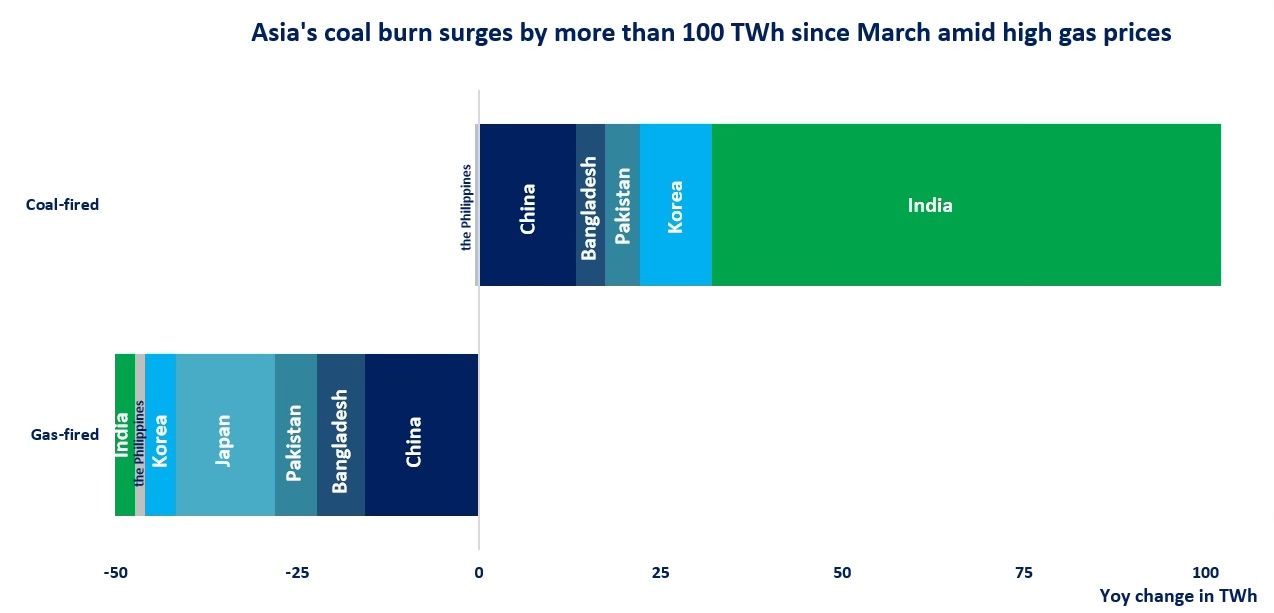
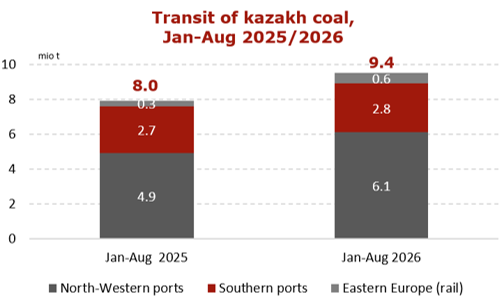
The situation is weighing on European coal benchmarks, which hit a three-year high in October. In addition to the conflict in the Strait of Hormuz, which has pushed gas and oil prices higher, the market is under pressure from restrictions on the transit of Kazakh coal via Northwestern terminals amid the prioritized transportation of grain and other cargoes to Baltic ports.
Should the blockade of shipments from the Azov-Black Sea basin continue, the global market could lose around 10–13 mio t of coal in H2 2026, and about 36 mio t in 2027, if the situation in the region is not resolved.
Source: CCA