Global coal market dynamics were divergent across key regions: indices in Europe continued to correct downward; coal in China became more expensive; Australian prices for thermal material firmed, while metallurgical coal quotations declined.
European thermal coal indices corrected downward to 96 USD/t. The decline was caused by falling gas prices, above-average temperatures, and increased wind generation.
Gas quotations on the TTF hub dropped to 366.70 USD/1,000 m³ (-10.82 USD/1,000 m³ w-o-w). EU gas storage inventories remained largely unchanged at 83% on the back of stable supplies from Norway.
Coal stocks at ARA terminals in Europe fell to 3.57 mio t (-0.32 mio t w-o-w), nevertheless the arrival of 4 vessel shipments with a total volume of 0.53 mio t is expected in the coming days.
South African High-CV 6,000 continues its rebound from multi-year lows, moving above 85 USD/t, following improved demand from Asian countries, including South Korea. South African coal’s competitive advantage persists amid higher prices for Australian material.
Demand from Indian sponge iron producers for imported 5,500 NAR coal was weak, resulting from shrinking margins and an increasing share of domestic coal consumption, which is putting pressure on Medium-CV South African coal quotations.
Stocks at the RBCT terminal decreased to 3.94 mio t (-0.13 mio t w-o-w).
South Africa’s Minister of Energy criticized the coal industry for its passivity in public debates, which has led to the dominance of an anti-coal narrative. Coal provides 60% of installed capacity and 80% of actual generation in the country. The Cabinet instructed Eskom to explore clean coal technologies, emphasizing a shift from fighting coal to fighting emissions.
In response, the industry created the FutureCoal platform to coordinate efforts to protect its interests.
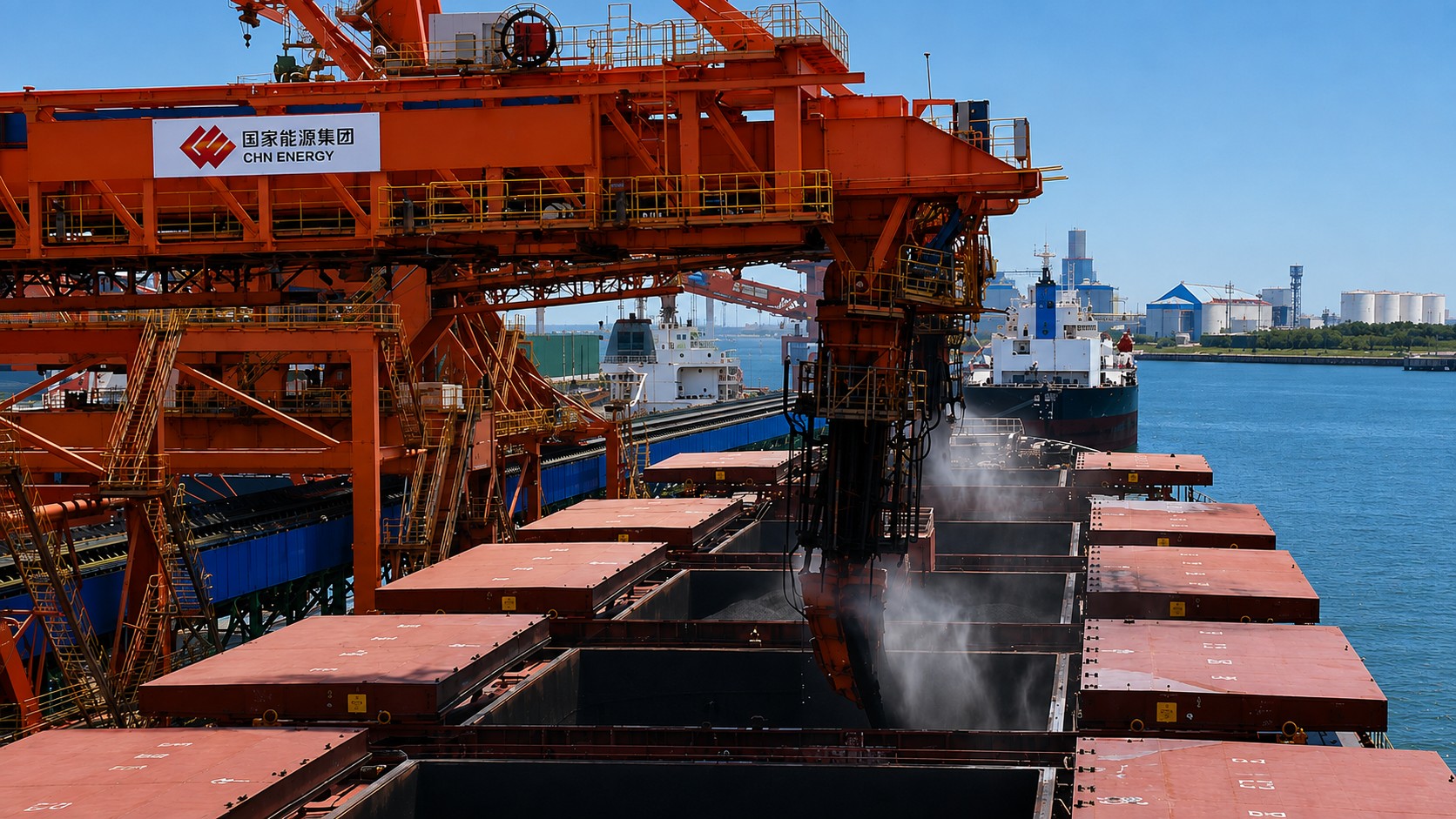
In China, spot prices for 5,500 NAR coal at the port of Qinhuangdao gained 6 USD/t to 117 USD/t. The Chinese market maintains its upward trend, given that consumption at power plants in coastal provinces is growing, while inventories at major generating companies are decreasing, which stimulates purchases ahead of expected colder weather.
Furthermore, many mines have already exhausted their annual quotas, and authorities have tightened control over overproduction, which is limiting supply. Shenhua and other suppliers raised their purchase/delivery prices, which is also pushing the market upward.
The National Development and Reform Commission (NDRC) mandated that power plants and heating supply organizations increase coal stocks to a minimum 15-day consumption level to prepare for extreme weather conditions. The regulator’s requirement strengthened traders’ confidence as they believe loading port inventories remain relatively low, and a substantial build-up would be needed to lower FOB prices.
Inventories at the 9 largest ports increased to 24.19 mio t (+0.74 mio t w-o-w). Coal stocks at the 6 largest coastal TPPs were down to 13.95 mio t (-0.22 mio t w-o-w), while consumption rose to 800 kt/day (+45 kt/day w-o-w).
Indonesian 5,900 GAR climbed to 81 USD/t, while the price of 4,200 GAR approached 48 USD/t. Indonesian material prices continued to move upwards. Weather conditions in the country are constraining supply, as mining operations are disrupted in some regions, reducing the volume available for export. Dynamic price growth in China is also pushing traders to actively seek and purchase imported coal.
Meanwhile, Indonesian nickel plants have tightened sulfur requirements, rejecting high-sulfur cargoes, which complicates local coal companies’ fulfillment of Domestic Market Obligation (DMO) supplies and limits the availability of quality material for export.
Australian High-CV 6,000 climbed to 109 USD/t. The rise was limited, following lower activity in Japan and other Northeast Asian countries, where stockpiles are comfortable and weather remains moderate. Meanwhile, Medium-CV coal prices continued to advance, as year-end supply is shrinking, and prices for high-ash coal at Chinese ports reached an 8-month high, supporting higher FOB quotation levels as Chinese buyers were offering a premium to the market price.
Australia’s HCC metallurgical coal index declined to 195 USD/t because of increased supply and unfavorable fundamental factors. Demand in India is limited by minor buyers, and part of the needs is covered by port stocks. Moreover, steel producers are facing narrow or negative margins and are not prepared for raw material price increases. Sentiment in China also deteriorated, following a drop in pig iron production and falling profitability for steelmakers.
Low Vol PCI quotations demonstrated a significant decline below 135 USD/t, as demand remains subdued and competitive offers from Canada and Russia are actively entering the market.
Source: CCA Analysis