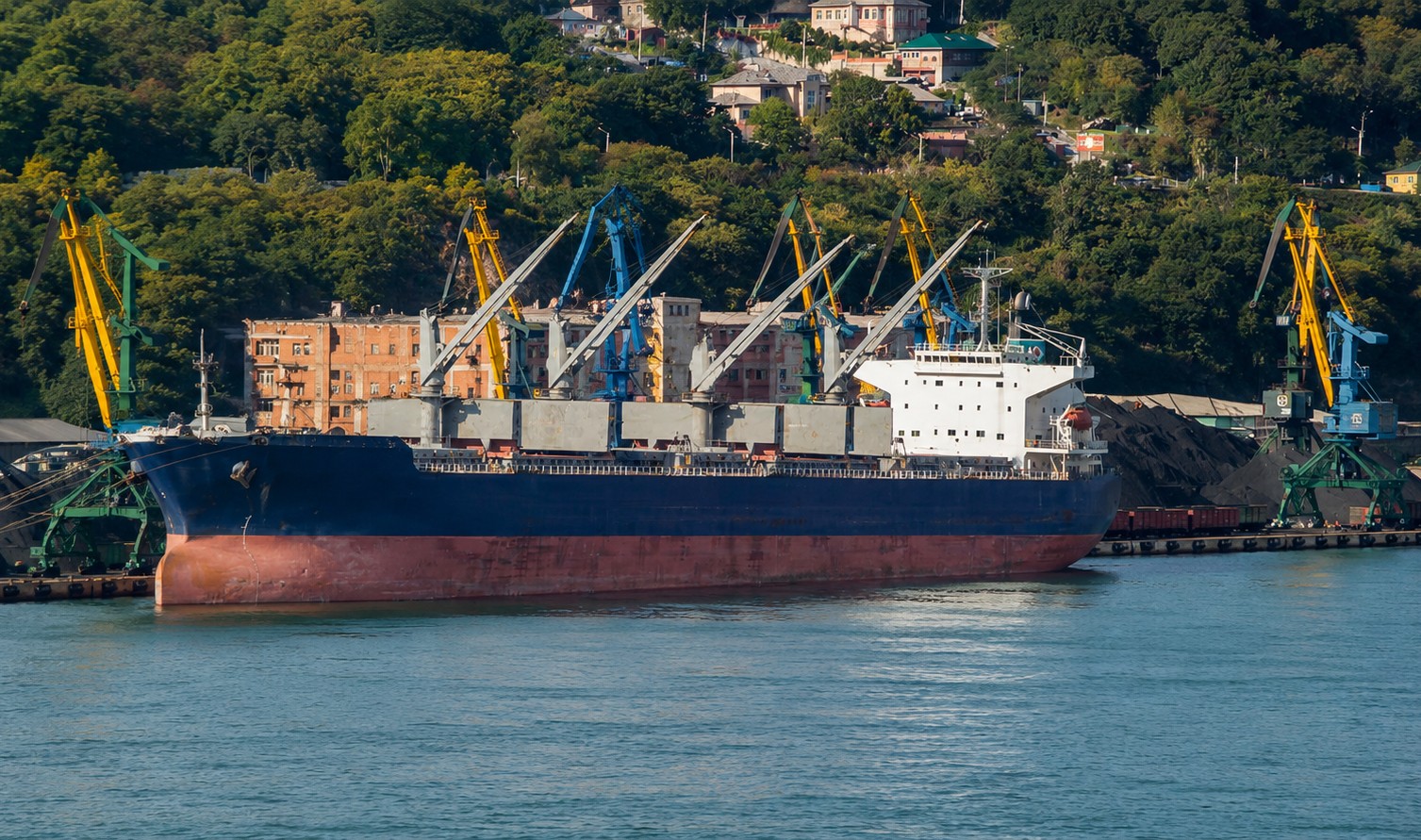
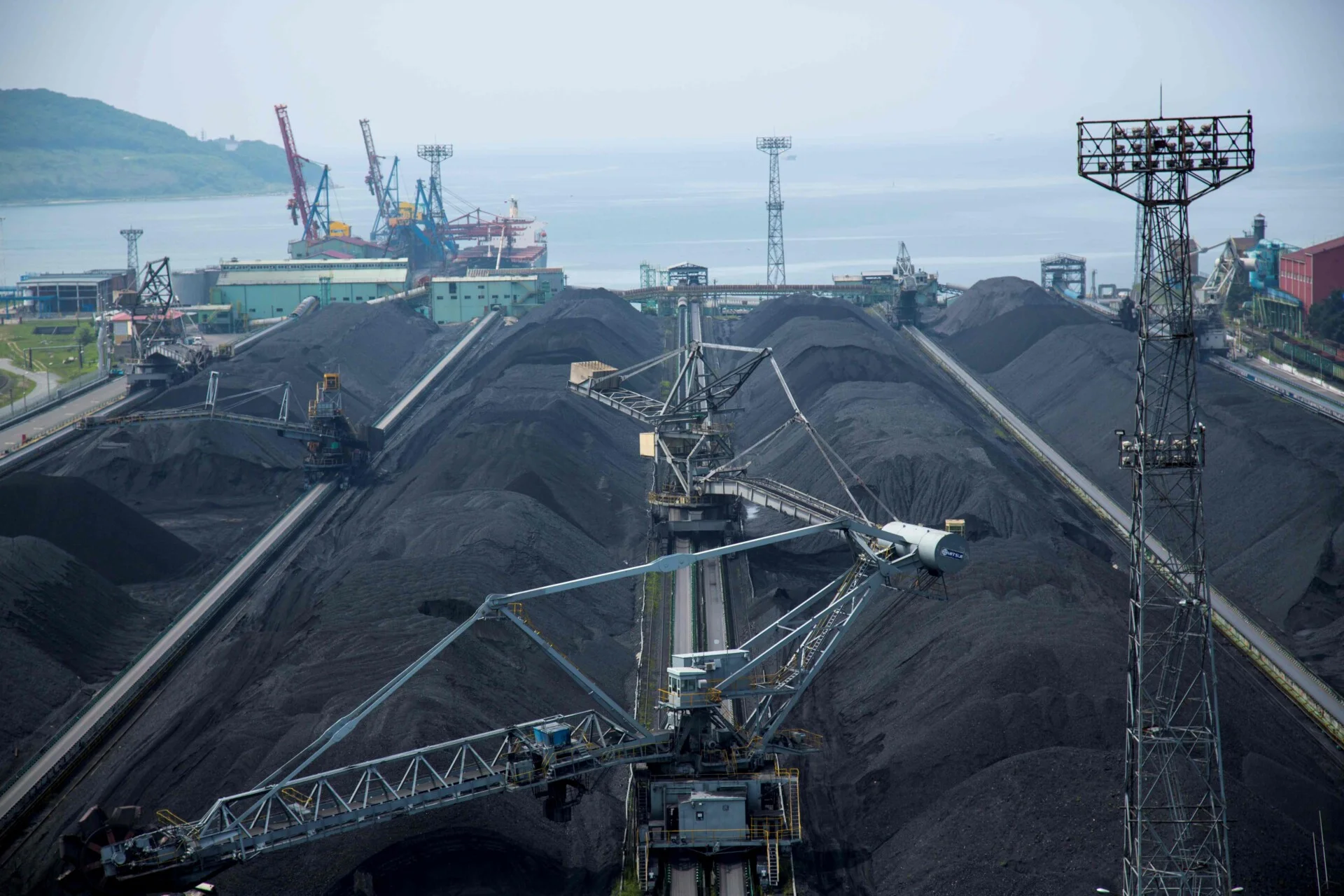
Data on coal handling in Russian Far Eastern ports and operational reports from Russian Railways (RZD) for January-February indicate shortage of Russian coal on the Asia-Pacific market.
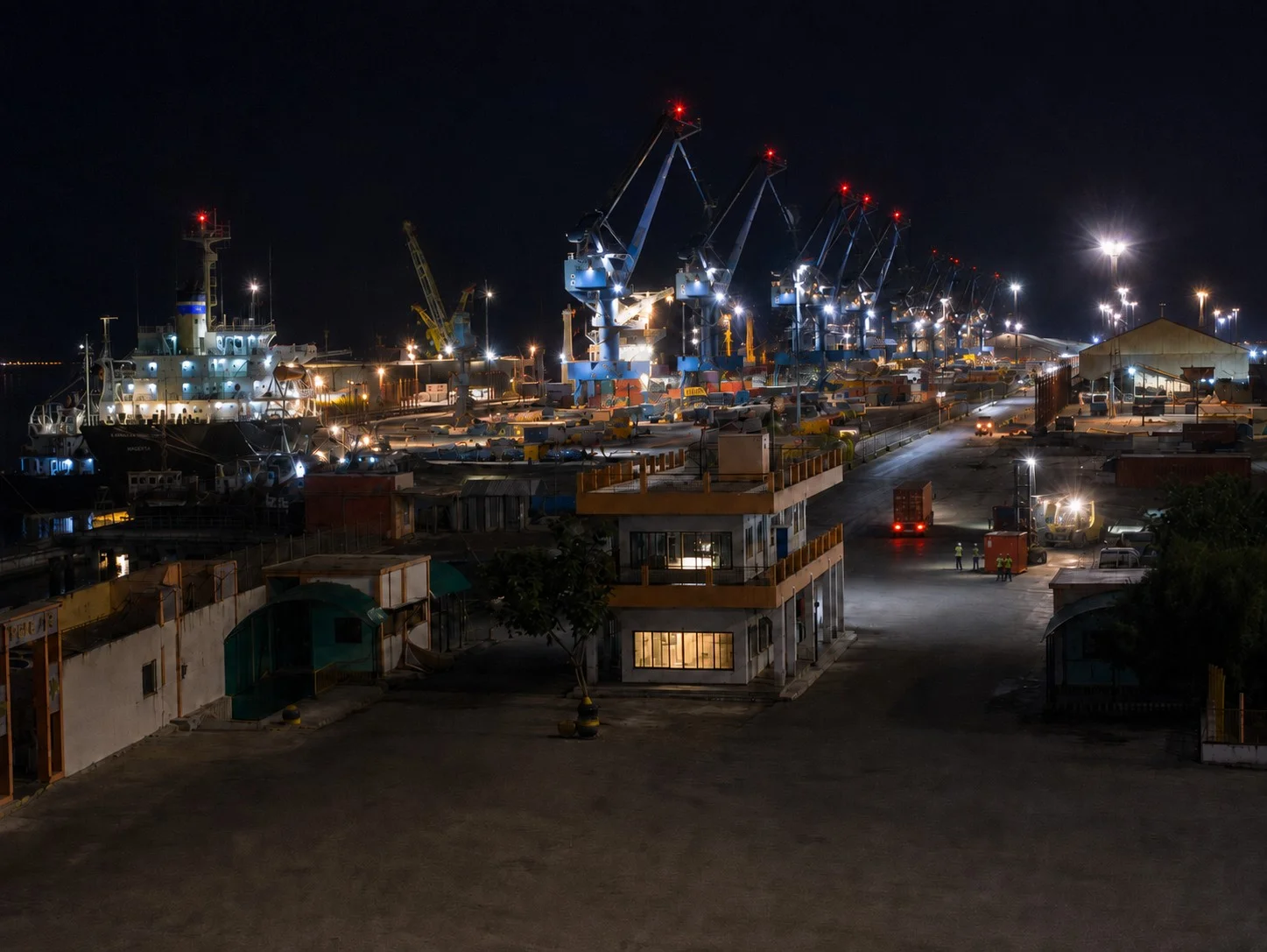
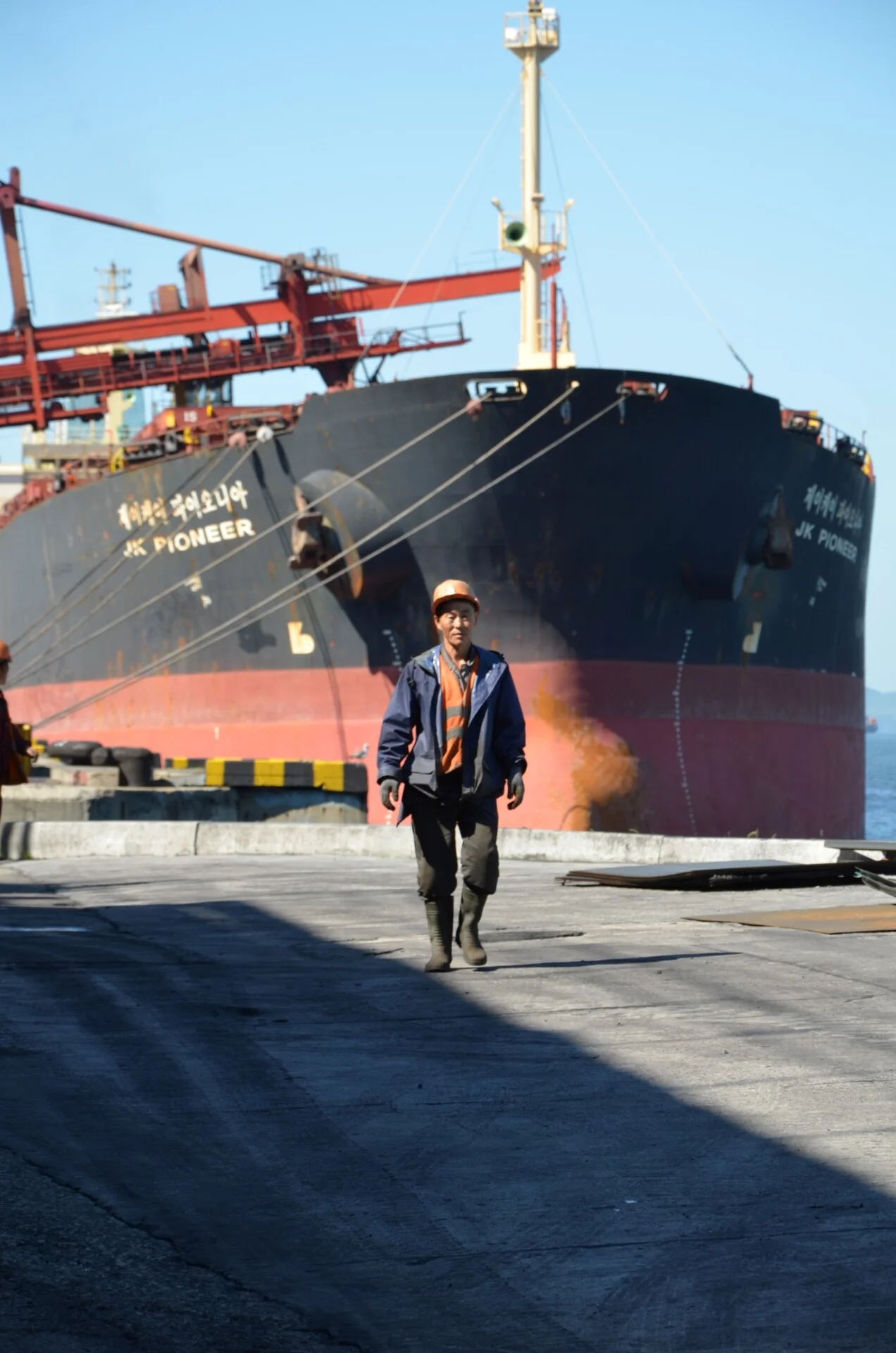
Total coal transshipment at Far Eastern ports in January showed a slight increase (+0.19 mio t, or +2.4% y-o-y), driven primarily by the launch of new port facilities, linked to private railway lines. Nevertheless, export volumes from the key regional terminals declined: Port Vostochny lost 13.1%, Nakhodka fell by 5.8%, while Vladivostok and Sukhodol saw sharp drops of 42.6% and 34.5%, respectively.
The main blow to exports came from the railway bans imposed by RZD on the Far Eastern Railway in Jan-Feb 2026. Port Vostochny operated under a 50% restriction for most of January-February (totaling 33 days). Shipments to Sukhodol were reduced by 50% in January and completely halted from January 30 to February 20 (from February 21 to March 7, a 50% cap was reimposed).
Restrictions involving full or partial shipment suspensions were also applied to the port of Nakhodka and other coal terminals.
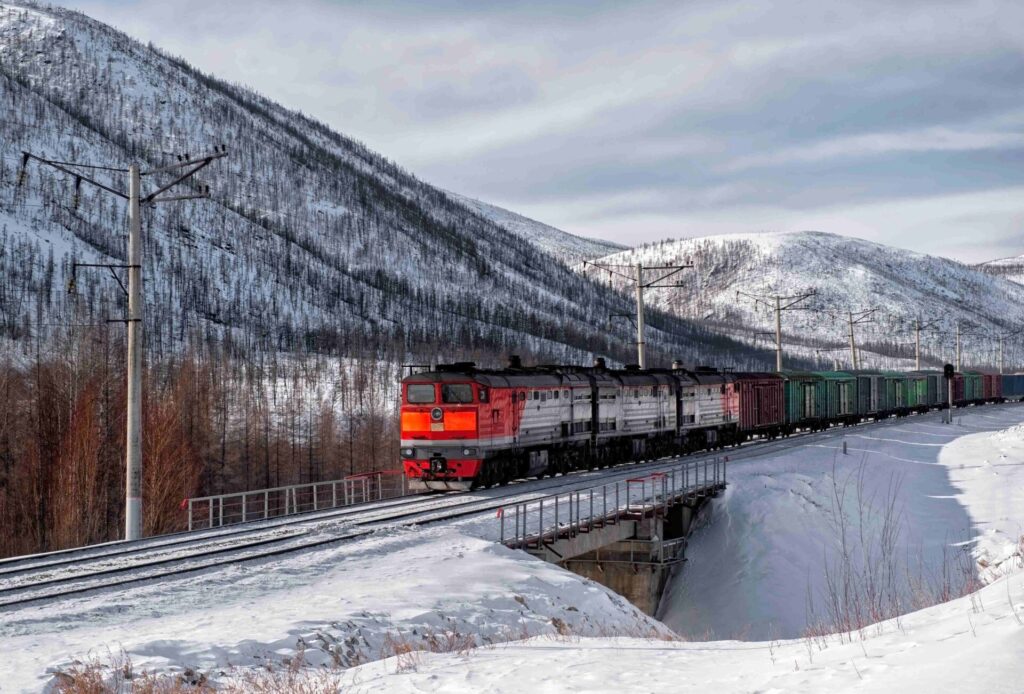
The collapse was exacerbated by severe winter conditions and a shortage of railcars. Abnormal cold in Jan-Feb led to coal freezing and complicated unloading at ports, sharply slowing railcar turnover. In January alone, shortfalls in deliveries to Far Eastern ports amounted to approximately 1 mio t of coal.
These volumes did not reach the ports and, in fact, are lost to the export market.
The Jan-Feb situation is putting critical pressure on March shipments. Volumes scheduled for Q1 2026 are almost entirely sold out, while ports are operating with limited stockpiles. The January shortfall meant that February shipments were made largely from terminal stocks.
The February restrictions now threaten the fulfillment of March export programs, volumes intended for shipment in February are being deferred to March.
According to forecasts, even if all restrictions are completely lifted by the end of February, it will take at least three to four weeks to normalize port operations. This implies that throughout March and likely the first half of April, the Asia-Pacific market will experience a deficit in Russian coal supply.
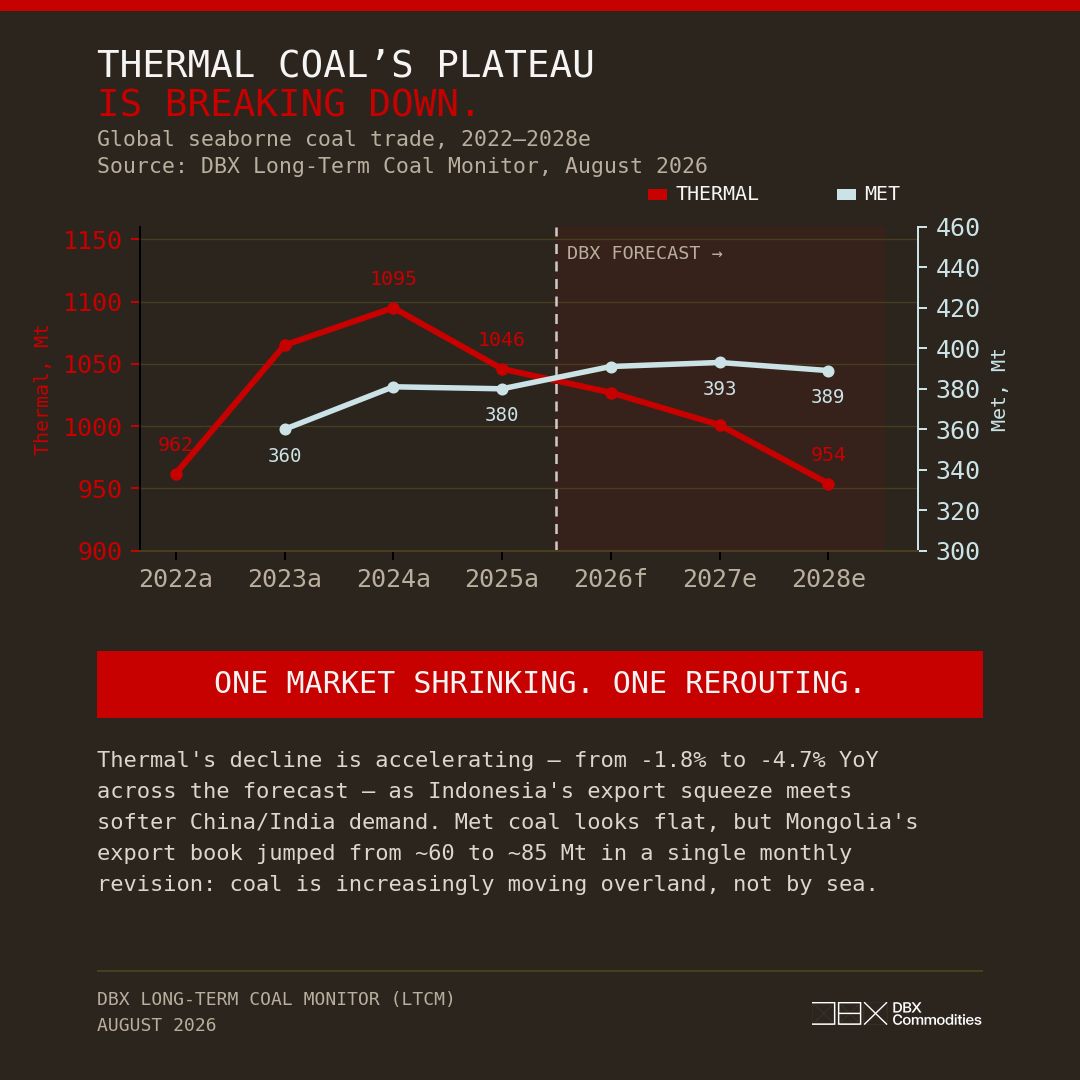
The combination of force majeure weather factors, systemic constraints on railway infrastructure, and production cuts in Indonesia creates the conditions for a price rally in the coming two months.
A situation where two of the largest suppliers simultaneously face declining supply will exert upward pressure on price indices.
Source: CCA