Global coal prices showed mixed trends this week, with gains in China and metallurgical coal offset by varied movements in Europe and Australia.
Key indices moved in different directions across the coal market: Europe saw a slight increase; in China material became more expensive; in Australia, thermal coal prices showed mixed dynamics, while metallurgical coal quotations strengthened.
On the European coal market, prices traded in the 109-111 USD/t range, closing above 110 USD/t by the end of the week. Support came from firming gas and oil quotations as tensions escalated in US-Iran negotiations, with Tehran refusing to meet several demands, prompting the White House to lean toward resuming military action.
Amid geopolitical tensions and energy market turmoil, Poland launched a financial support mechanism for coal mining companies and strategic enterprises after amending legislation to grant the Industrial Development Agency (ARP) authority to issue targeted loans for business restructuring and cost reduction.
Gas quotations on the TTF hub rose 5.2% on the week to 573.87 USD/1,000 m3 (+28.40 USD/1,000 m3 w-o-w). EU underground gas storage increased to 35.6% (+1.6 ppts w-o-w), though below last year’s level of 43%.
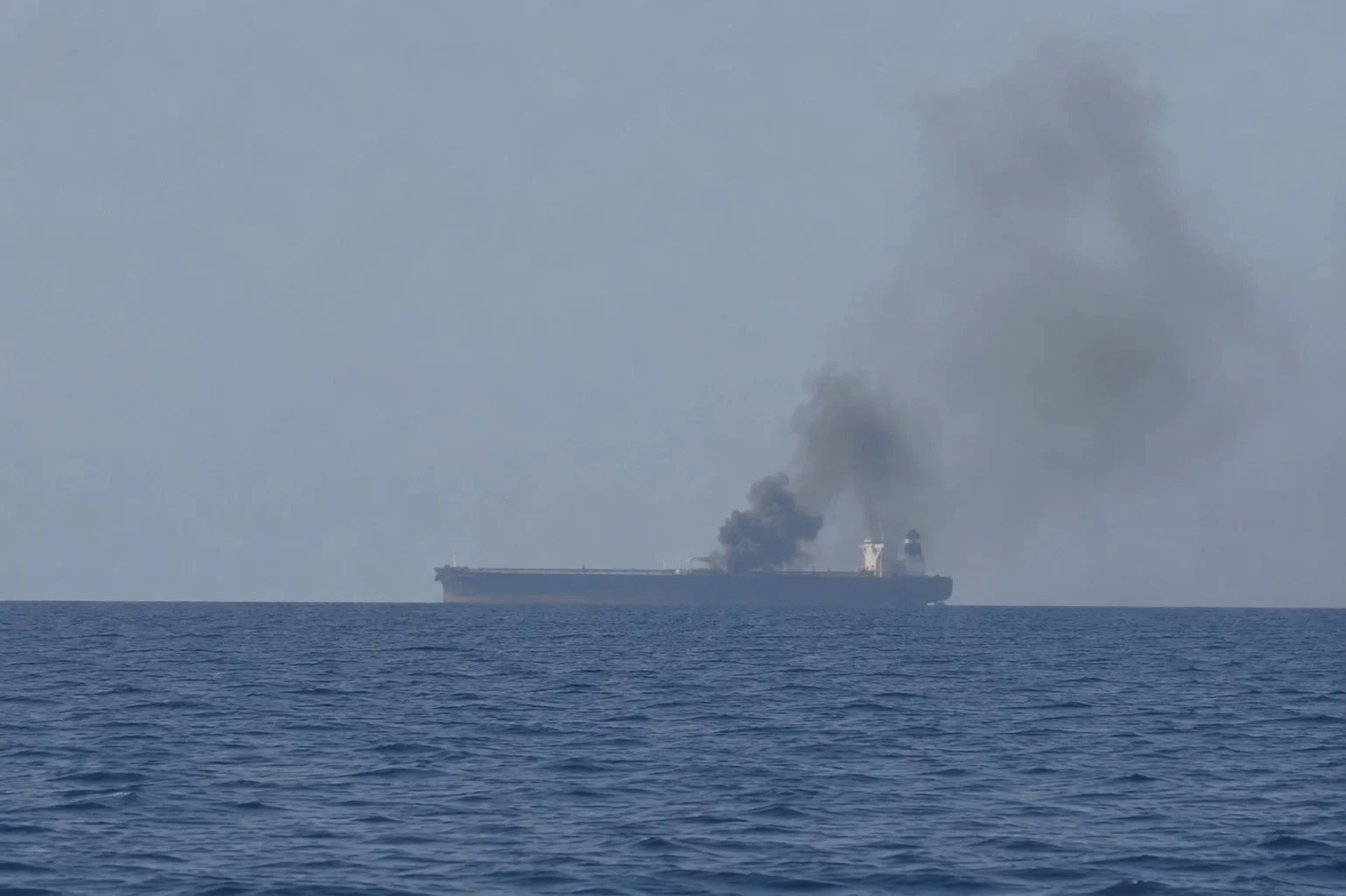
South African High-CV 6,000 continued its upward trend in the 116-119 USD/t range, reaching the highest levels since August 2024, as South African coal is in demand from East Asian power generators seeking to offset reduced LNG supplies amid the Strait of Hormuz blockade.
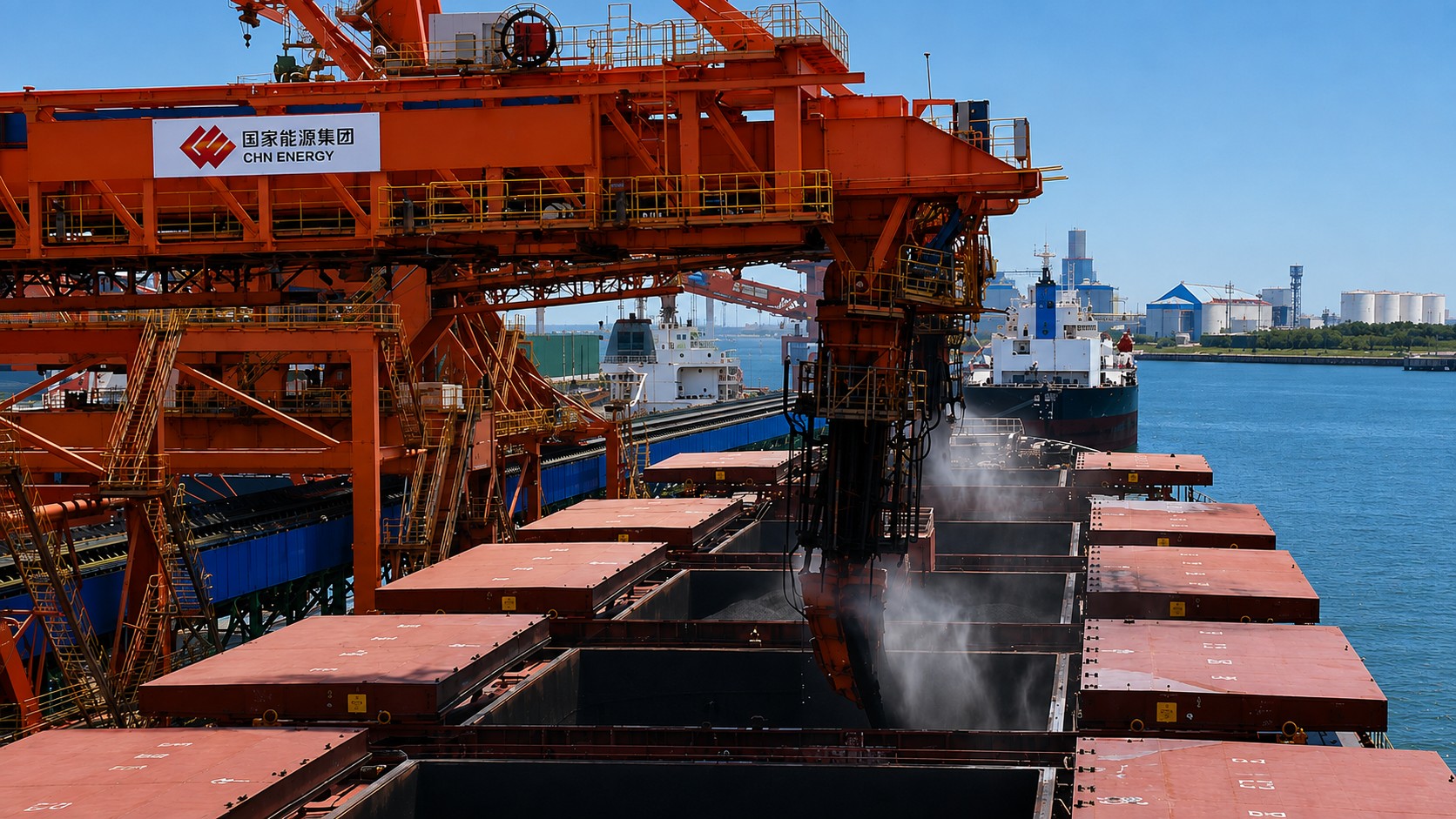
In China, spot prices for 5,500 NAR coal at the port of Qinhuangdao continued to move higher to 122 USD/t amid rising temperatures and restocking. Speculative buying by traders has been one of the drivers in recent weeks. A significant number of spot players maintain a positive long-term outlook, citing sustained industrial activity and weather conditions.
News of rising coal prices this year has raised concerns that authorities may take steps to cool the spot market. This followed data released Monday showing that inflation in China may be accelerating amid a sharp rise in the producer price index. Simultaneously, the National Development and Reform Commission (NDRC) convened a meeting with major coal and power companies. Market participants expect coal companies will be required to increase deliveries and power generators to continue building inventories.
Some market participants anticipate a correction as traders who accumulated stocks in recent months accelerate sales, while previously booked import cargoes are due to arrive in larger volumes.
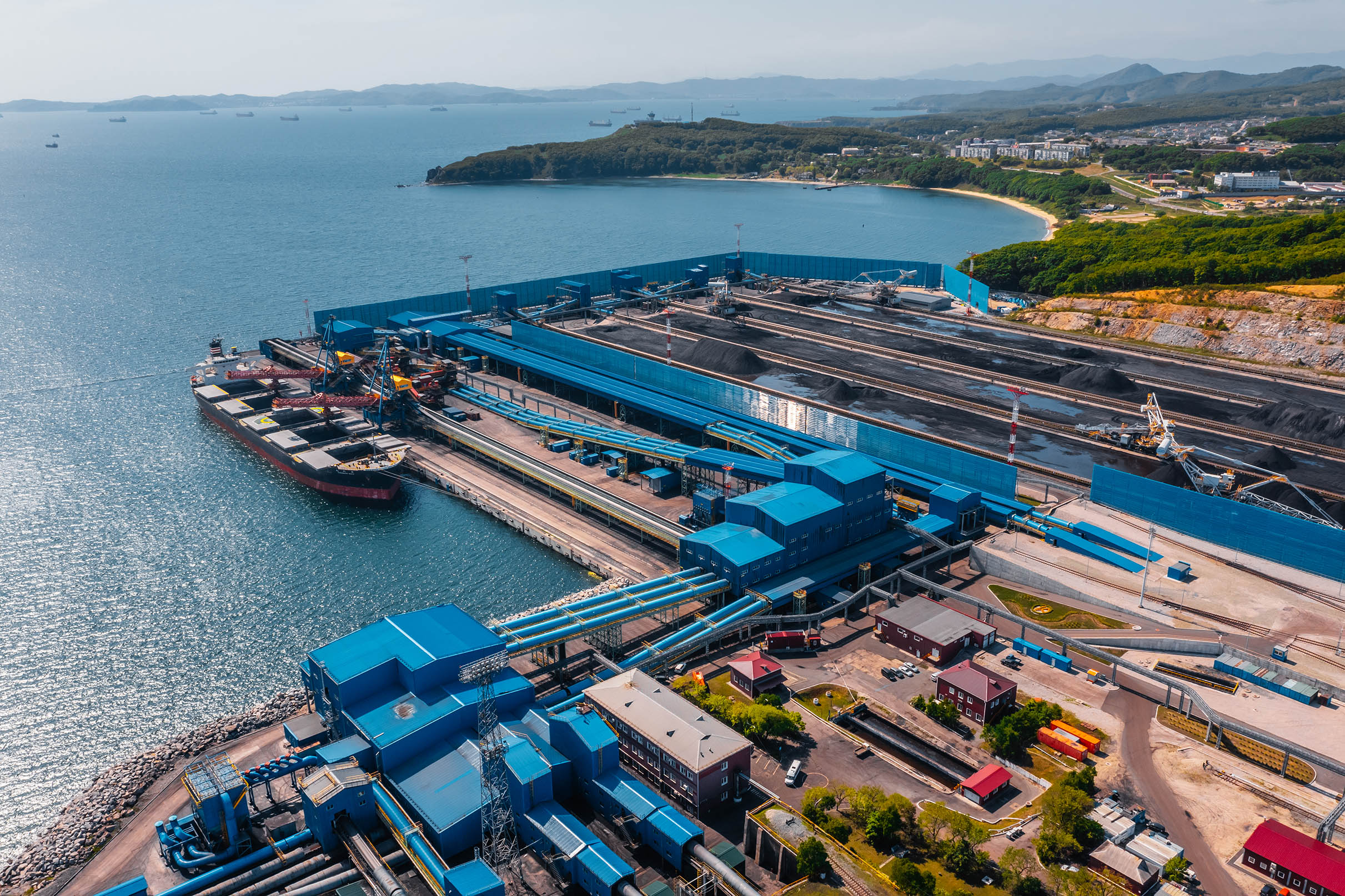
Coal stocks at 9 major ports increased to 27.39 mio t (+0.49 mio t w-o-w), while inventories at 6 major coastal thermal power plants fell to 12.81 mio t (-0.11 mio t w-o-w).
Indonesian 5,900 GAR strengthened to 95.5 USD/t, while the price of 4,200 GAR rose to nearly 63 USD/t due to limited supply. Spot market demand remains steady, including from China, Vietnam, and Bangladesh, although higher prices are causing some buyers to hold off on deals.
Storms are forecast across many Indonesian coal-producing provinces, including Kalimantan and Sumatra. Meanwhile, several mining companies in East and Central Kalimantan have faced extremely dry weather, leading to low river levels and limited barge transportation capacity.
Indonesian coal exports declined 8% over the past week to 8.76 mio t (-0.72 mio t w-o-w).
Since the start of 2026, Indonesia has shipped 159.17 mio t, down 10% from 176.64 mio t in the same period last year.
Australian High-CV 6,000 corrected below 130 USD/t, while Mid-CV 5,500 exceeded 99 USD/t. Australian thermal coal prices have steadily risen since the start of the year. The NEWC 5,500 reached a 2.5-year high on the back of steady demand from Chinese and South Korean buyers, following energy supply disruptions from the Middle East conflict, as well as reduced thermal coal supply in Asia from exporting countries.
Australian production has begun to decline because of weather-related disruptions in March. Furthermore, mining costs in Australia are rising, driven by higher diesel prices.
Australia’s HCC metallurgical coal index climbed to nearly 240 USD/t. Metallurgical coal prices overall remain stable due to low liquidity, with market participants awaiting fresh deals to determine price direction.
Sentiment in China improved following the US-China leaders’ meeting. Interest in buying deferred HCC cargoes from China remained active, particularly from arbitrage traders operating at the intersection of physical and futures markets, driven by an optimistic short-term market outlook and more active trading at ports.
Source: CCA