Over the past week, European thermal coal indices dropped below 100 USD/t amid sliding gas prices. The margins of coal-fired power generation in Germany continue to improve: clean dark spreads (CDS) rose from -€8.50/MWh to -€6.49/MWh as electricity prices jumped to €95.72/MWh.
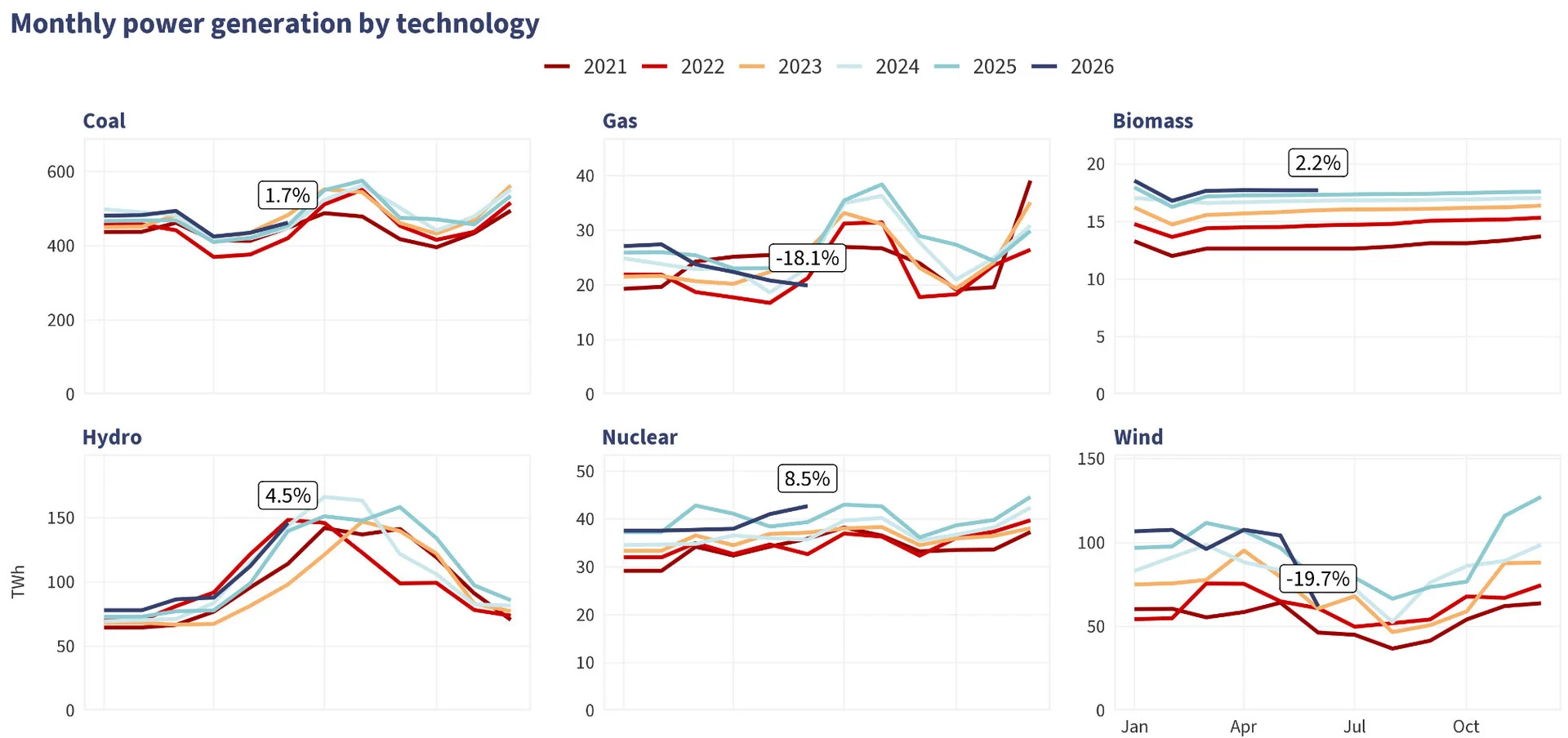
Meanwhile, the share of renewable generation decreased from 63% to 60%, while the share of fossil fuels surged from 37% to 40%. At the end of H1 2025, Europe ramped up its thermal coal imports to 13 mio t (+4.7 mio t or +57% vs. H1 2024), caused by the cold winter. As coal and gas reserves in the region are below last year’s levels, the demand is expected to grow ahead of the next winter period.
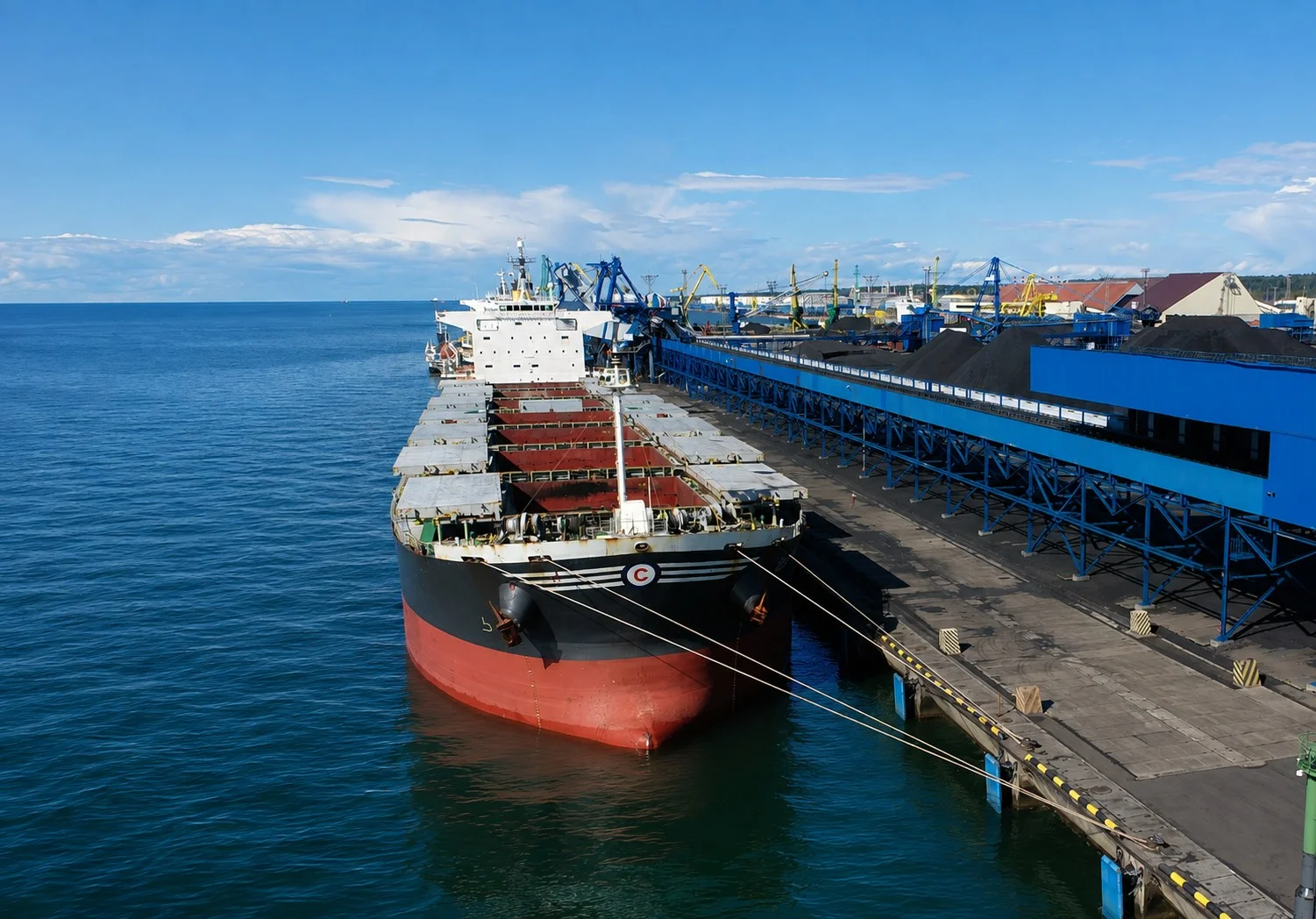
Gas quotations on the TTF hub fell to 398.67 USD/1,000 m3 (-19.59 USD/1,000 m3 w-o-w). Injection into European underground gas storage (UGS) facilities continued, reaching 65% of total capacity (+1 p.p. over the week). As of July 23, 2025, coal stocks at ARA terminals stood flat at 2.94 mio t, due to low water levels in the Rhine River, limiting barges to half of their normal coal load.
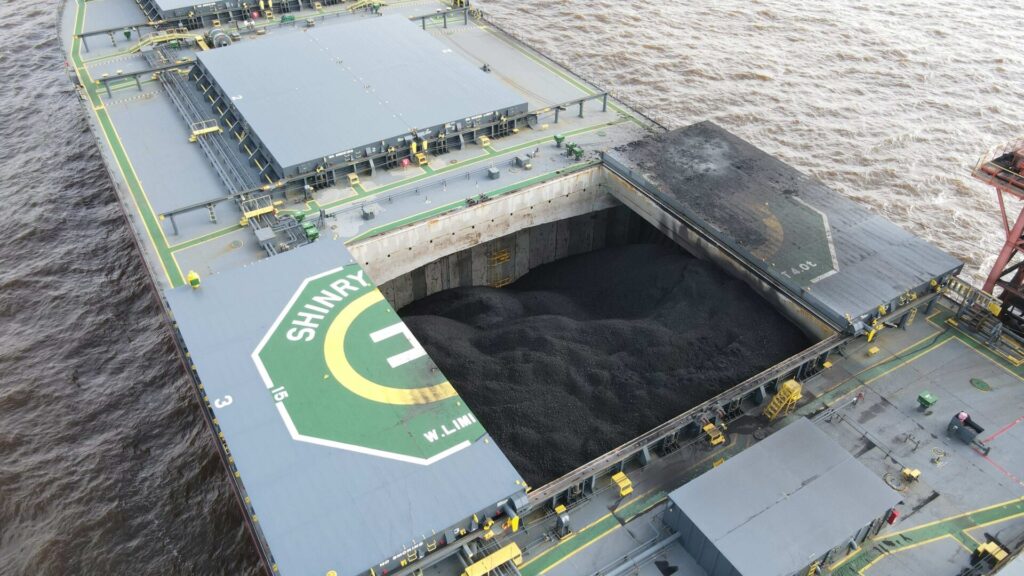
South African High-CV 6,000 ranged between 91-92 USD/t. Pressure on High-CV coal was caused by lower prices in Europe and the imminent completion of maintenance work on Transnet railway lines (July 26) to the Richards Bay Coal Terminal (RBCT). Because of the maintenance, stockpiles at the RBCT terminal plunged to 2.83 mio t (-1.07 mio t w-o-w).
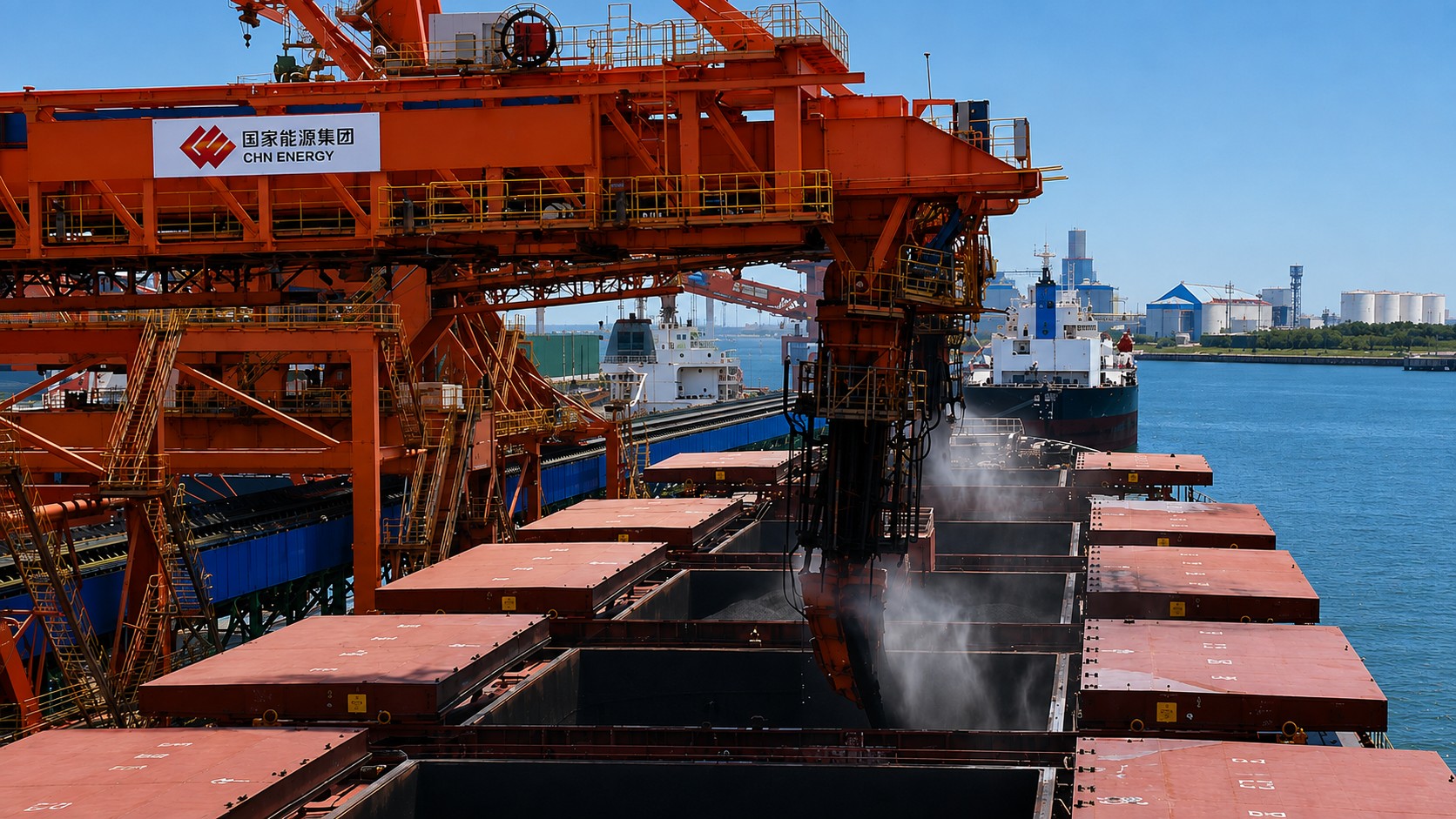
In China, spot prices for 5,500 NAR coal at the port of Qinhuangdao strengthened above 90 USD/t, owing to higher consumption and lower port stocks, caused by high temperatures. Support also came from concerns over the regulator’s statement about a possible forced reduction in output.
However, according to some estimates, the rise in demand is short-lived and linked rather to improved market sentiment than to fundamental factors. Furthermore, Typhoon Wipha brought heavy rains to coastal areas, partially restricting electricity consumption. The typhoon is also expected to contribute to higher hydro generation and lower demand for air conditioning.
The National Energy Administration of China (NEA) announced that coal companies with production exceeding the agreed volumes will be required to suspend operations. The NEA sent a request to eight producing regions, including Shanxi, Inner Mongolia, Shaanxi, and Xinjiang, to conduct inspections and submit a report on by August 15 for review by the government agency. Companies that exceeded their agreed production targets by 10% last year, as well as in H1 2025, will be ordered to halt extraction immediately.
Inventories at the 9 largest ports added 0.10 mio t to 27.18 mio t, while coal stocks at the 6 largest coastal TPPs totaled 14.02 mio t (-0.42 mio t w-o-w). The consumption fell to 878 kt/day from 901 kt/day a week earlier.
Indonesian 5,900 GAR remained flat at 71.5 USD/t, while the price of 4,200 GAR adjusted slightly below 40.5 USD/t. Temperatures in some Asia-Pacific countries cooled along with demand, including India, where the rainy season began. Market participants report limited supply and a partial shift by Indonesian suppliers to the domestic market in response to falling export prices.
Australian High-CV 6,000 dipped below 110 USD/t level. The vessels queue at the port of Newcastle significantly shortened, and Australian coal supply stabilized on improved weather conditions.
BHP reported a decline in production at its New South Wales Energy Coal (NSWEC) division in fiscal year 2025 to 15 mio t, down 2% from 2024, mainly because of heavy rains, that disrupted transportation.
Australia’s HCC metallurgical coal index climbed to 176 USD/t on the back of rising prices in the Chinese market, where the regulator announced possible forced cutbacks in coal mining to combat overproduction.
The market is also seeing demand from Indian consumers for August and early September deliveries, related to restocking after the end of the monsoon season.
Source: CCA Analysis