The coal market showed mixed dynamics without a strong trend: prices in Europe rebounded to 98-100 USD/t after a decline; China saw continued moderate strengthening; in Australia, high-CV coal became cheaper, mid-CV gained value, while metallurgical coal index corrected downward after a recent rise.
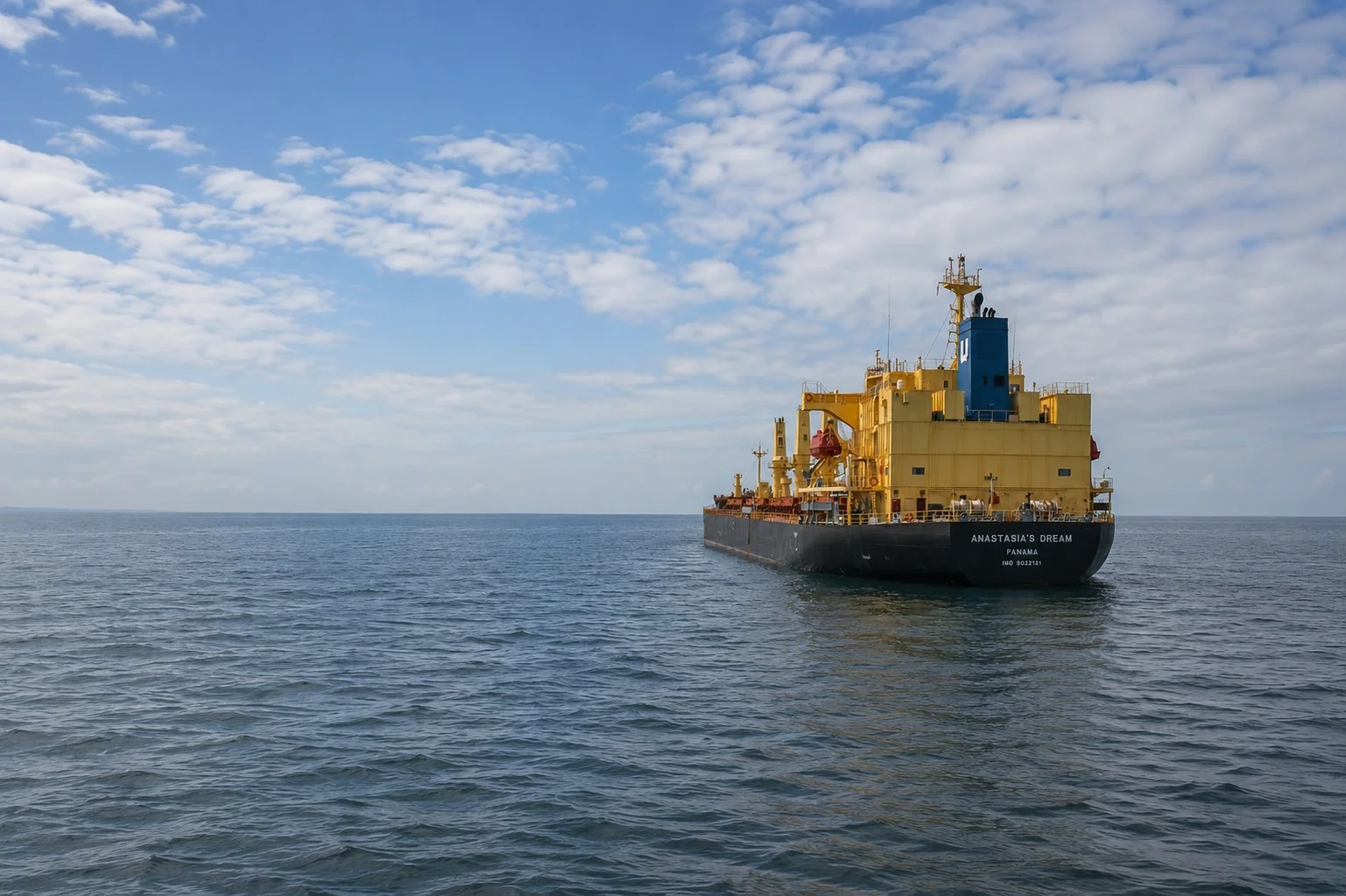
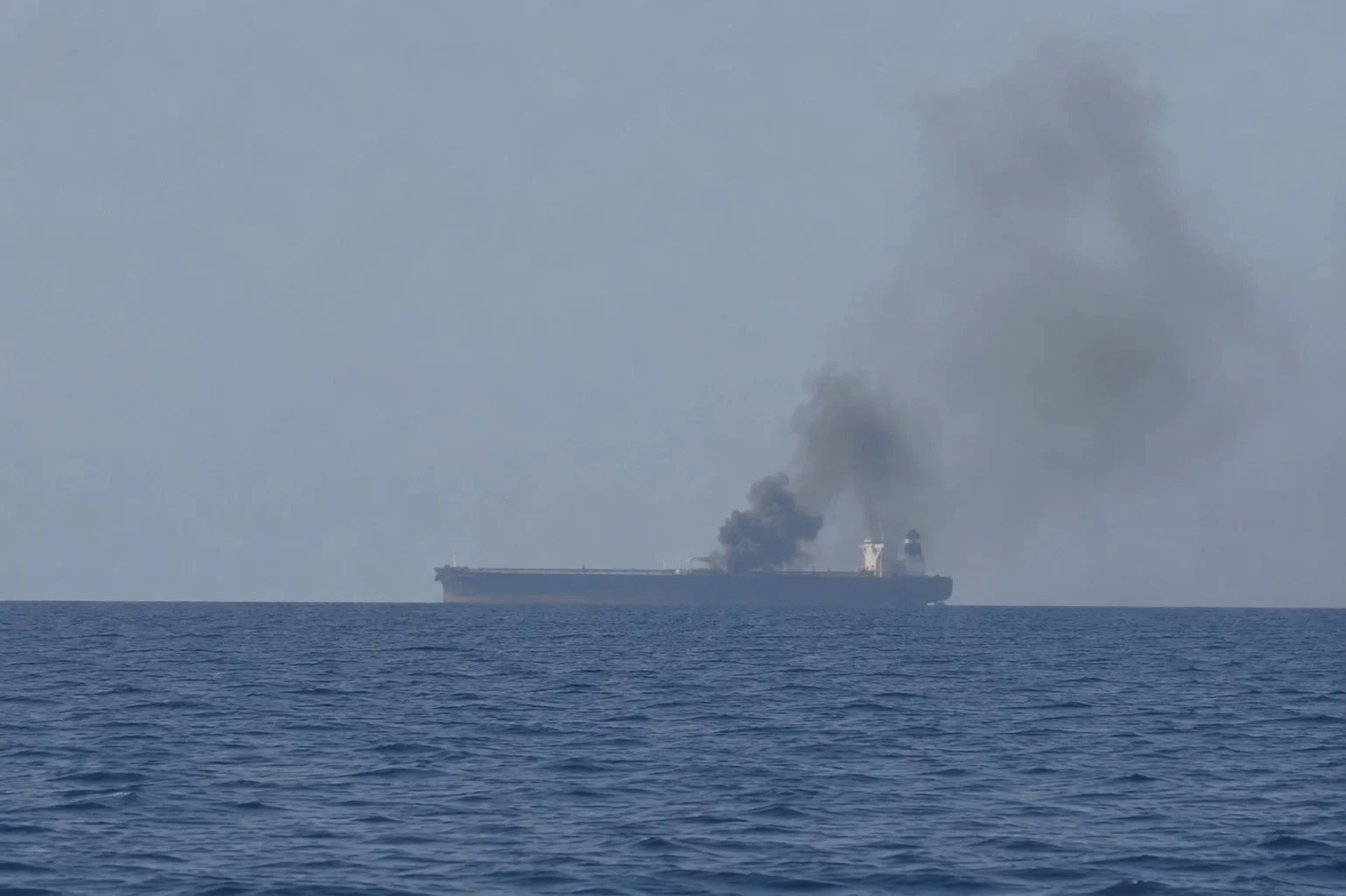
Over the past week, European thermal coal indices returned to 98-100 USD/t level, driven by shrinking inventories, as well as an almost threefold surge in German consumption and a drop in renewable generation. Meanwhile, gas prices fell, following talks between EU and US leaders about a potential resolution of the conflict with Russia, that market participants interpreted as a signal for a possible resumption of direct supplies. Psychological support for coal quotes might have come from an explosion and fire on a coal vessel in Baltimore (USA), which was passing near the Francis Scott Key Bridge, whose collapse in 2024 had blocked the port.
Gas quotations on the TTF hub decreased to 386.91 USD/1,000 m³ (-7.68 USD/1,000 m³ w-o-w). European underground gas storage (UGS) facilities are 74% full (+1 p.p. w-o-w). Injection rates have already significantly exceeded 2024 levels. Coal stocks at ARA terminals declined to 3.34 mio t (-0.05 mio t or -1.5% w-o-w).
South African High-CV 6,000 continues to hold near 88-90 USD/t, supported by recovering prices in Europe. However, during the week, quotes hit 3-month lows, caused by weak demand in India.
Thungela Resources published a report, stating that the South African company’s profit for January-June fell 80% to 14 mio USD (-56 mio USD vs. H1 2024) because of low coal prices and limited demand in key sales markets. Nevertheless, Thungela decided not to seek compensation from Transnet for unmet coal transportation volumes in exchange for the rail operator’s commitment to make concessions and meet other demands. Previously, Transnet noted that it had held talks with some shippers, resulting in affected exporters waiving financial compensation in exchange for additional rail freight capacity.
In China, spot prices for 5,500 NAR coal at the port of Qinhuangdao kept strengthening to 98-99 USD/t, supported by declining stocks and mining due to heavy rains, as well as government measures to combat overproduction. Furthermore, rains affected coastal provinces such as Fujian, Guangxi, and Guangdong, where coal-fired power plants rely mainly on imported coal. Rains in Inner Mongolia on August 18 led to the suspension or reduction of output at no less than 28 enterprises with a total capacity of 112.4 mio t per year, cutting production volume by 0.20–0.30 mio t per day. This situation may last 5–7 days.
Inventories at the 9 largest ports plunged to a new 10-month low of 23.44 mio t (-0.41 mio t w-o-w), while coal stocks at the 6 largest coastal TPPs totaled 13.59 mio t (+0.03 mio t w-o-w). Daily consumption decreased to 912 kt/day (-34 kt/day w-o-w).
Indonesian 5,900 GAR edged higher to 74 USD/t, while the price of 4,200 GAR exceeded 43 USD/t on the back of rising prices and demand in China and other Asia-Pacific countries. Stable freight rates and limited spot supply also supported quotes as many major exporters have sold out material for the rest of the year. However, Indonesia lowered its index prices (HBA) for low- and mid-CV material more than for high-CV coal for the second half of August, following a gradual increase in demand for high-CV grades.
Australian High-CV 6,000 kept hovering around 110 USD/t, while mid-CV coal climbed to 71 USD/t, which is attributed to stable demand from China. Furthermore, higher vessel queues for loading at ports (delays up to 19 days) are reducing coal availability on the spot market, resulting from adverse weather conditions and the replacement of ship loaders at Kooragang port (until mid-November).
Australia’s HCC metallurgical coal index retreated slightly to 190 USD/t because of shrinking demand in China and India, as well as price cuts by Canadian suppliers. Expectations, that India would start replenishing stocks for September-October after the monsoon season, have not yet materialized. According to some Chinese mining companies and buyers, prices surged too fast and too early, hence a correction was overdue. The petcoke price increase in China was initiated on August 18, but has not yet been agreed upon.
US company Peabody decided to abandon the acquisition of the Moranbah North mine from Anglo American in the Australian state of Queensland because of deteriorating investment attractiveness of coal mining for steel production (although the official reason cited was the undefined timeline for resuming sustainable extraction and the unknown exact cause of the fire on March 31). Before the incident, the mine was planned to produce 5.3 mio t of coking coal in 2025.
Source: CCA Analysis