Global coal prices followed mixed trends last week, with European indices declining, Chinese quotations strengthening, and Australian thermal and metallurgical coal moving in different directions.
Last week, the coal market saw mixed trends: indices in Europe declined; prices in China moved higher; in Australia, thermal and metallurgical coal quotations showed divergent dynamics.
European thermal coal indices dropped to 118 USD/t. Pressure on coal came from lower gas prices at the TTF hub as geopolitical tensions between the US and Iran eased, along with positive rhetoric from authorities regarding negotiations and expectations of an imminent reopening of the Strait of Hormuz.
Stocks at ARA terminals continued to grow at a modest pace, reaching 4.33 mio t (+0.08 mio t w-o-w). Shipping on the Rhine deteriorated further this week: water levels at the key Kaub gauge fell below the previous record low, reducing barge loads, increasing reliance on rail transport, and keeping inland freight costs elevated.
Comfortable coal stocks at power plants are currently limiting the impact of logistical disruptions. However, market participants note that risks will increase if abnormally low water levels persist for several more weeks.
Gas quotations on the TTF hub climbed over the week to 695.74 USD/1,000 m3 (+1.91 USD/1,000 m3 w-o-w). EU underground gas storage stood at 58% (+2 ppts w-o-w), 12 ppts below last year’s level of 70%.
South African High-CV 6,000 remained virtually unchanged at 105 USD/t, while mid-CV material strengthened to 90 USD/t. Despite the absence of sustained spot interest from India, demand was noted from Japan, South Korea, and Pakistan.
In India, thermal coal traders returned to the market last week to purchase South African coal, though some end-users continued to hold off on new deals in anticipation of lower prices. Traders concluded deals in expectation of the demand recovery after the monsoon season ends in September.
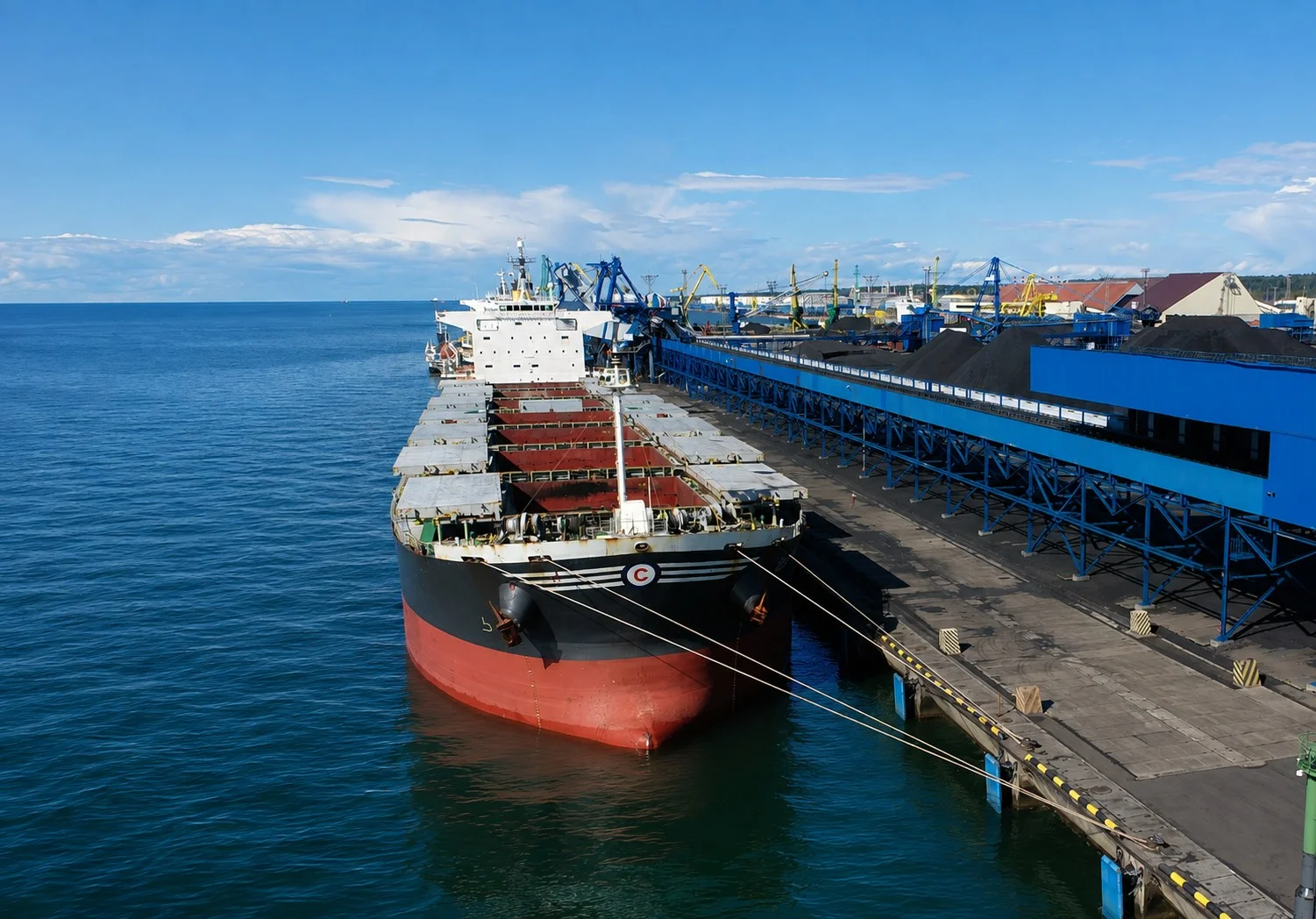
Coal stocks at the Richards Bay Coal Terminal stood at approximately 5.0 mio t, which was optimal to cover the 10-day maintenance period from July 21 to August 01. Truck freight rates for coal declined in July amid a 12% drop in diesel prices to 1.51 USD/t, resulting in lower transportation costs.
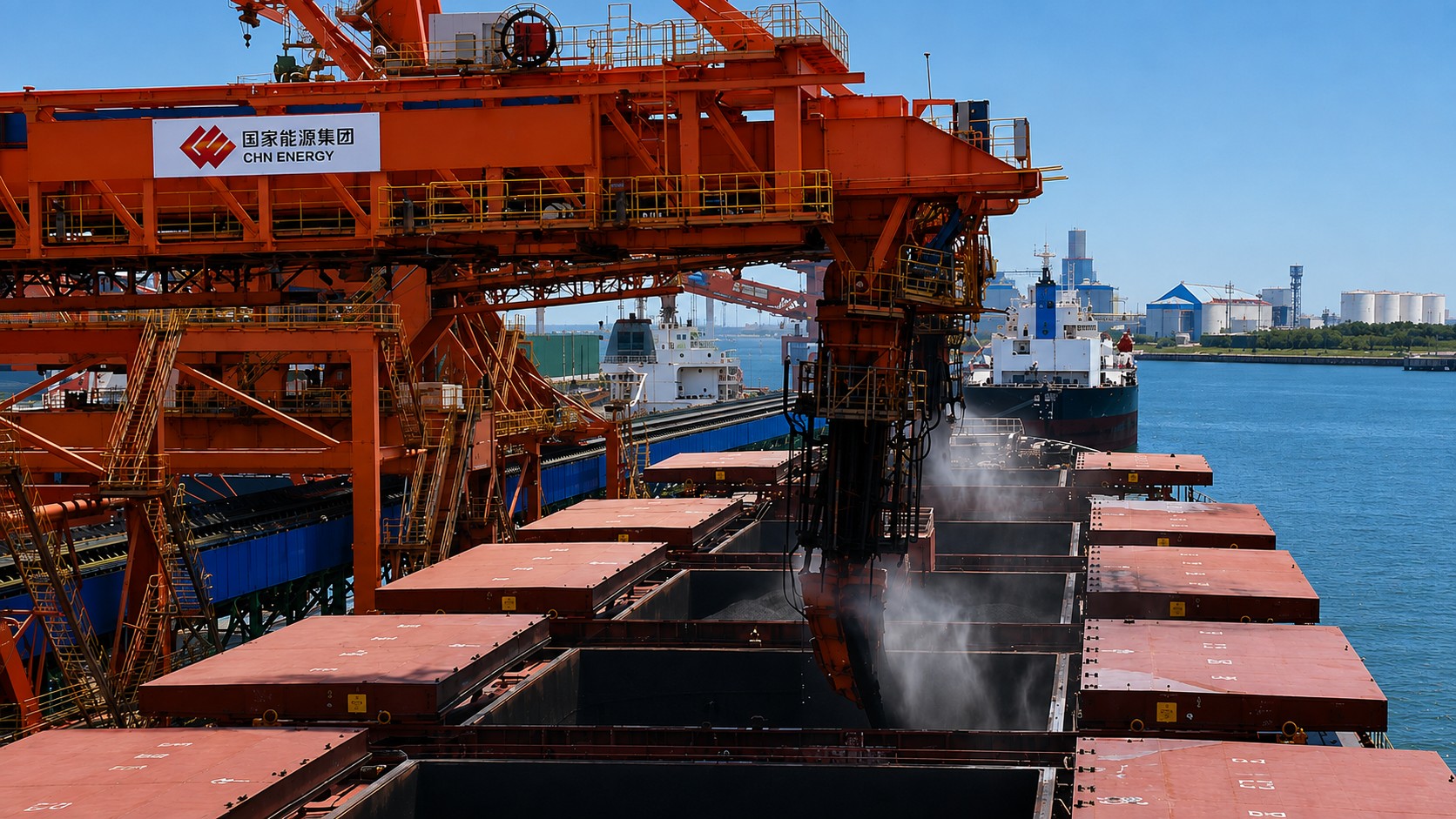
In China, spot prices for 5,500 NAR coal at the port of Qinhuangdao rose above 124 USD/t amid output constraints from stepped-up safety inspections and heavy rainfall, as well as declining port inventories. A Sunday accident at a 12 mio t/year mine in Shaanxi province killed one worker, raising concerns over tighter inspections.
Peak summer season supported higher daily coal consumption at power plants, where inventories were also declining. At least 15 regional power grids recorded a total of 32 record peak power loads since June. Additionally, China’s largest supplier, Shenhua Group, raised third-party procurement prices across all grades at the Batuta logistics center in Inner Mongolia.
Demand at the mining level was supported by steady stockpiling from industrial consumers and active shipments to power plants. Many coal mines reported smooth sales and growing truck queues, allowing them to raise prices.
However, some market participants are growing increasingly cautious after successive price hikes, leading to corrections at some operations. Still, overall thermal coal stocks at 55 major ports remain elevated compared to the same period in previous years: 77.64 mio t, whereas in prior years the figure ranged between 50–70 mio t.
Coal stocks at 9 major ports fell to 27.38 mio t (-1.36 mio t w-o-w), while inventories at 6 major coastal thermal power plants amounted to 14.26 mio t (-0.21 mio t w-o-w).
Indonesian 5,900 GAR remained near 104 USD/t, while 4,200 GAR was up above 62.5 USD/t. Many mining companies awaiting government approval to ramp up production capacity for the remaining months of the year are unable to offer material to the market. Half of the approved additional output must be directed to state utility Perusahaan Listrik Negara (PLN), reducing availability for the export market.
Coal supply from Kalimantan and Sumatra remains quite limited, as water levels on rivers in Central Kalimantan have only increased slightly and remain insufficient for unimpeded barge movement. Full navigation is expected to recover by September.
Australian High-CV 6,000 tumbled below 128 USD/t. Asian consumers are refraining from purchasing Australian coal for Q1 2026, holding ample inventories, which is weighing on demand.
Australia’s HCC metallurgical coal index continued to move lower, dropping to 214 USD/t. Market activity remained subdued: participants noted a significant gap between seller and buyer prices amid high supply and limited buying interest. Both coke and iron ore prices are under pressure, while coking coal supply is increasing.
Indian buyers may return to the market when prices enter the 205–210 USD/t FOB range, as this is considered an acceptable level for purchasing premium coal, given strengthening PCI quotations.
Source: CCA