

Seaborne coal trade flows are shifting as geopolitical disruption drives higher coal prices, rising freight costs and surging gas prices across global energy markets. While gas-to-coal switching is supporting demand in some regions, weaker import economics and cost pressures are making seaborne coal trade flows more volatile and harder to predict.
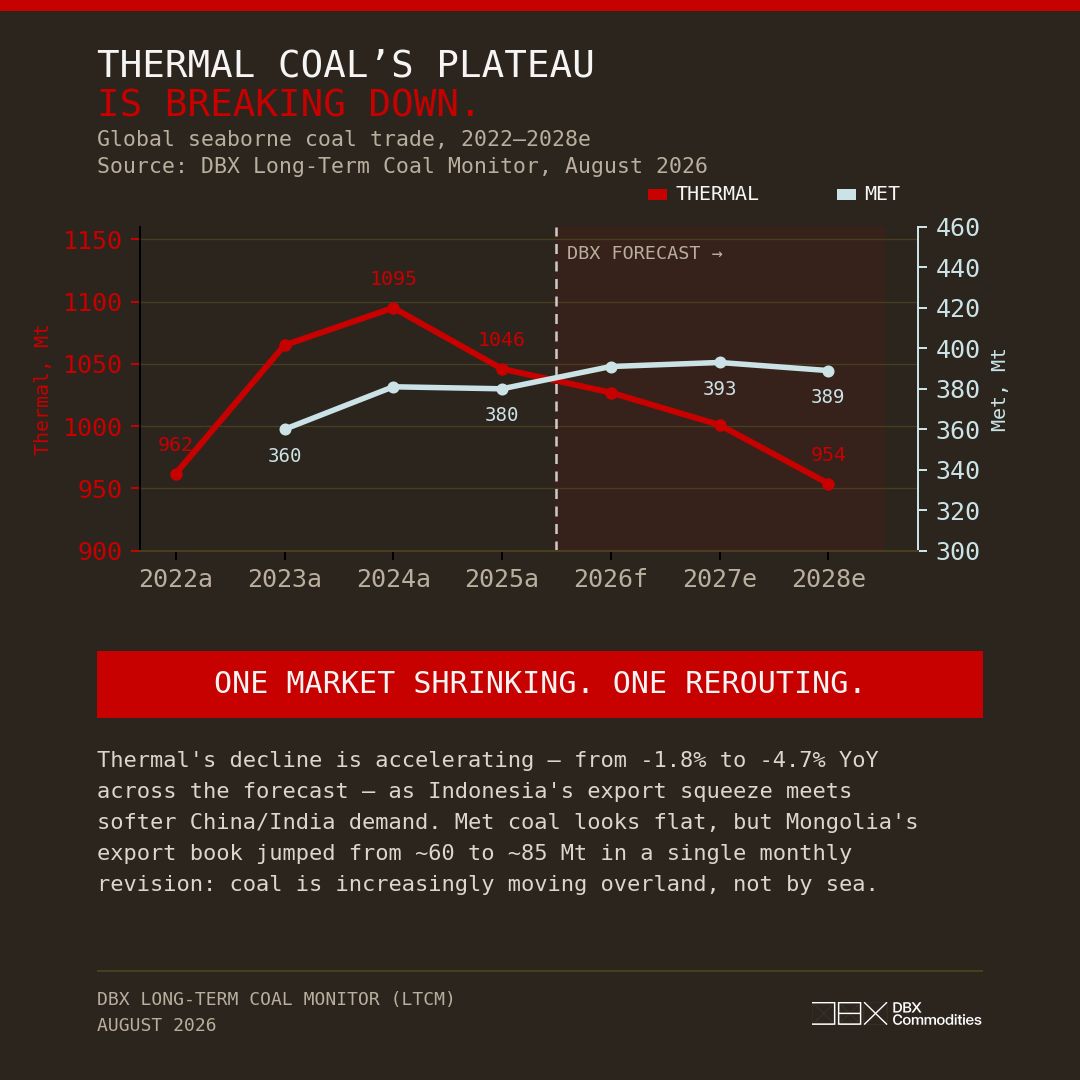
Seaborne coal trade flows are becoming harder to predict as higher coal prices, rising freight costs and stronger gas markets pull demand in different directions.
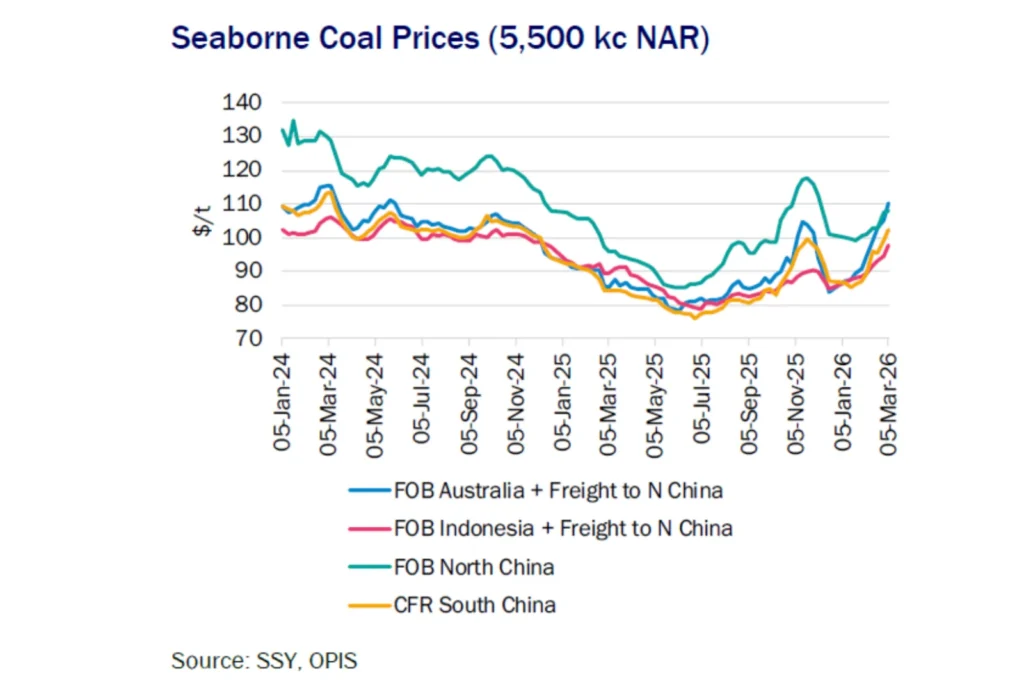
SSY says coal prices jumped sharply after late-February disruption, increasing costs for buyers across the seaborne market. At the same time, bunker prices pushed freight rates higher, making imported coal less competitive in key destinations, especially China.
China remains the main pressure point. SSY notes that Indonesian coal had recently become attractive versus domestic Chinese supply, which lifted Chinese buying late last year. But that advantage has narrowed as freight costs increased. Australian coal into north China is now estimated to be more expensive than domestic coal, while Indonesian supply is also losing some of its pricing edge.
Indonesia adds another layer of uncertainty. The report says earlier policy signals pointed to lower production quotas this year, although later reports suggested a higher level may be under consideration. That leaves the market watching whether Indonesia prioritises export volumes or tighter supply management.
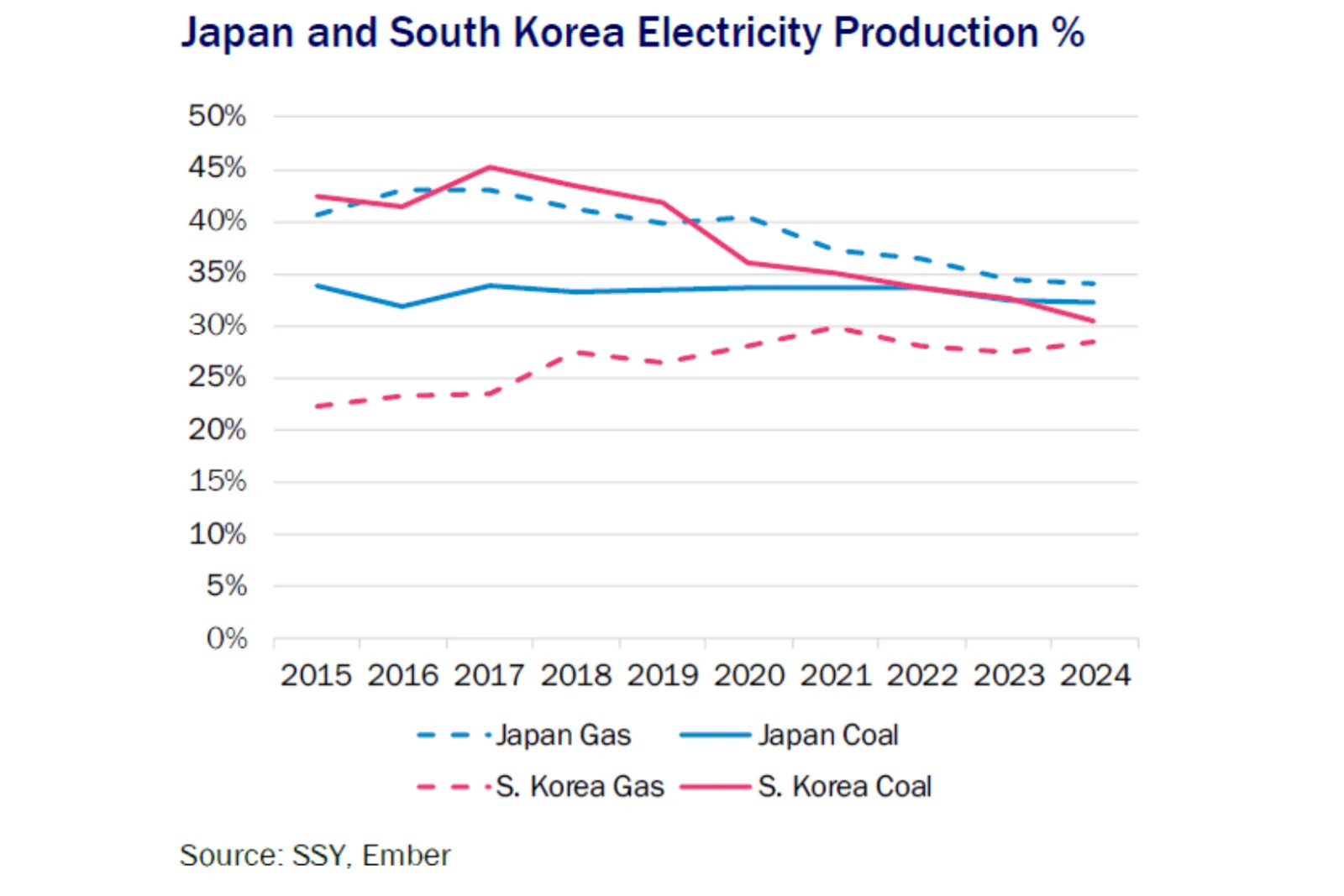
On the demand side, stronger gas prices are improving the case for coal use in countries that can switch fuels, particularly Japan and South Korea. Both markets still have spare coal-fired capacity, so expensive gas could support additional coal burn.
However, SSY suggests that any upside from gas-to-coal switching in Japan and South Korea is unlikely to fully offset softer Chinese import demand. As a result, the overall outlook for Pacific seaborne coal trade flows remains mixed, with cost pressure and weaker import economics limiting support for the market.
Source: William Tooth, Indian Ocean Coal Trade Flows, SSY Research