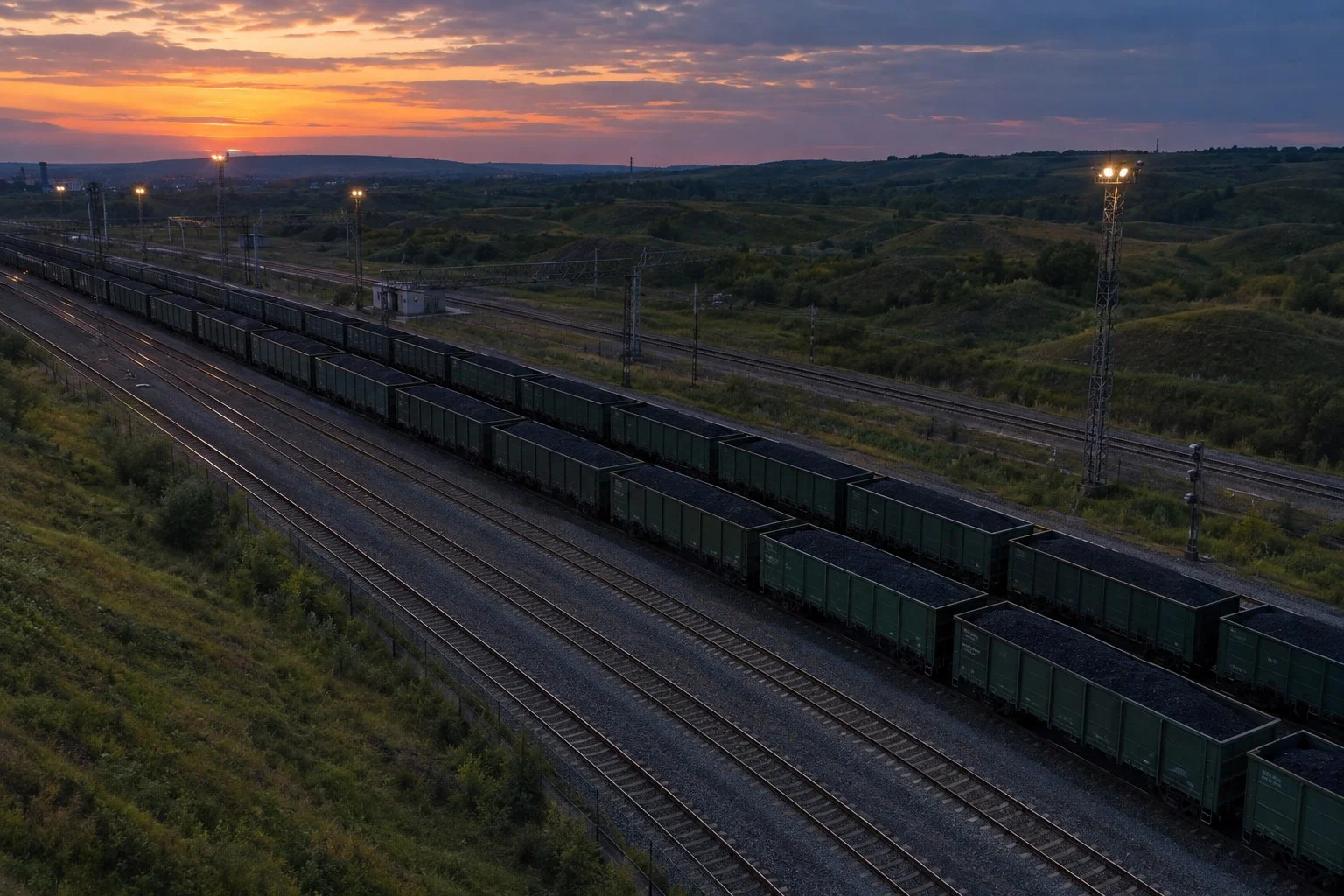
RZD freight tariffs are set to rise earlier than planned, adding further financial pressure to Russia’s struggling coal industry.
The Russian government has decided to bring forward a scheduled indexation of Russian Railways’ (RZD) freight rates by three months. From October 01, 2026, rail freight tariffs will rise by 8.5%, whereas the 8.3% increase had originally been planned to take effect on January 01, 2027. The move will enable the state monopoly to generate extra 732 mio USD in revenue this year alone. These funds would effectively constitute additional profit, as they are not tied to any rise in the company’s operating costs.
The cumulative increase in freight tariffs over 2022–2025 stood at roughly 81%. Including a 1% surcharge introduced in March 2026 to fund transport security measures, the figure reached about 83%. After the October indexation, tariff levels relative to the end of 2021 will have risen by 98.6% (nearly a 2-fold increase). By comparison, cumulative consumer inflation over the same period, factoring in data for 2022–2025 and H1 2026, stands at around 44.9%. Railway tariffs are thus growing at roughly twice the pace of consumer prices.
A shift in the tariff-setting methodology is the key driver behind this divergence. Previously, the ‘inflation minus’ model capped tariff growth at the consumer inflation rate, incentivizing the monopoly to improve efficiency. The new approach, however, links indexation to a composite index based on the carrier’s actual cost structure. Under this framework the monopoly loses any incentive to cut costs, as higher expenses automatically become grounds for further tariff hikes.
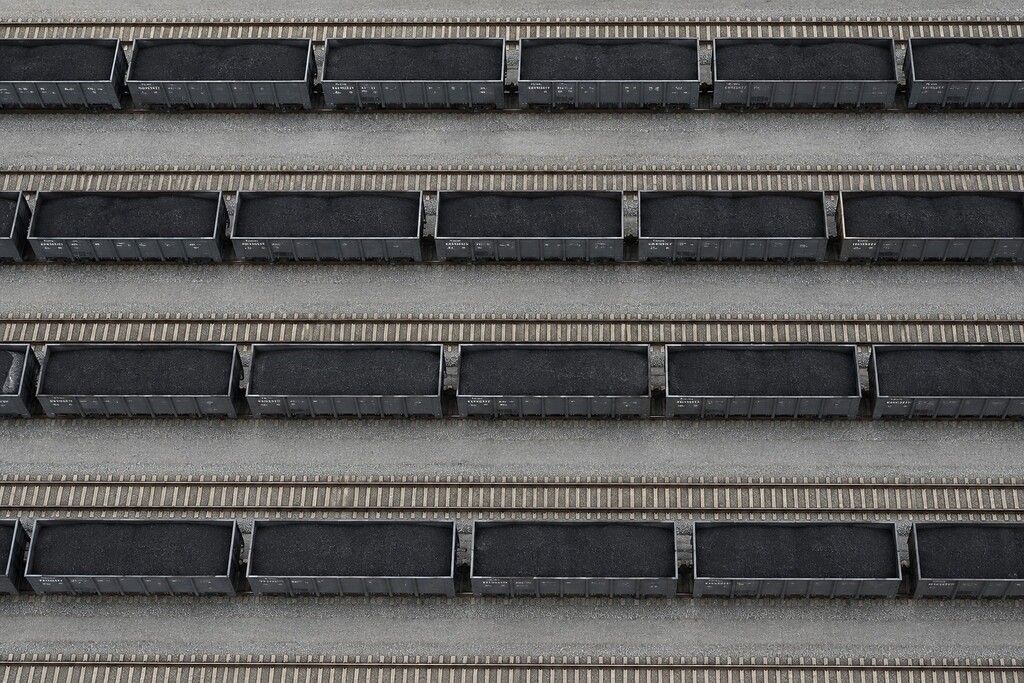
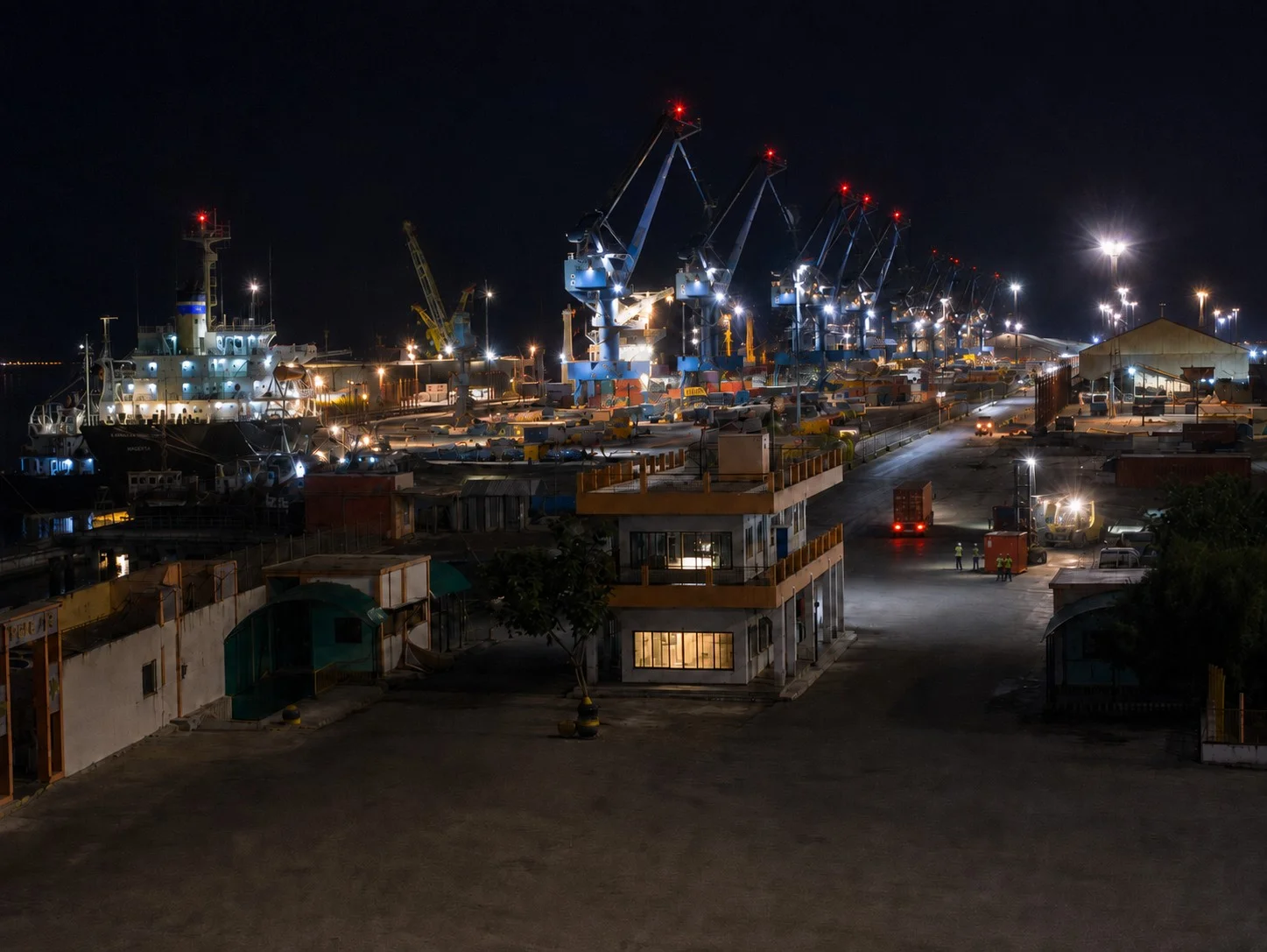
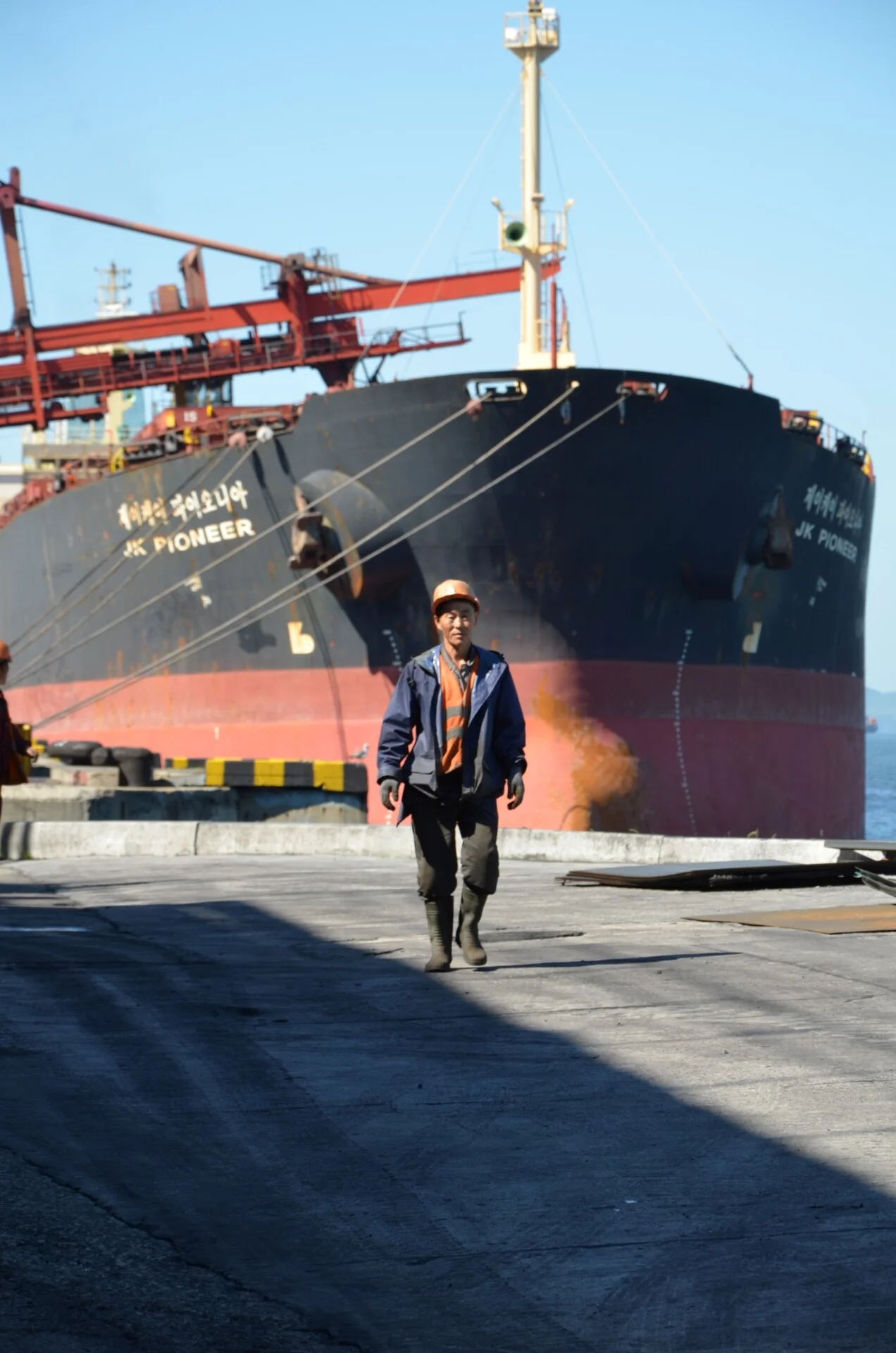
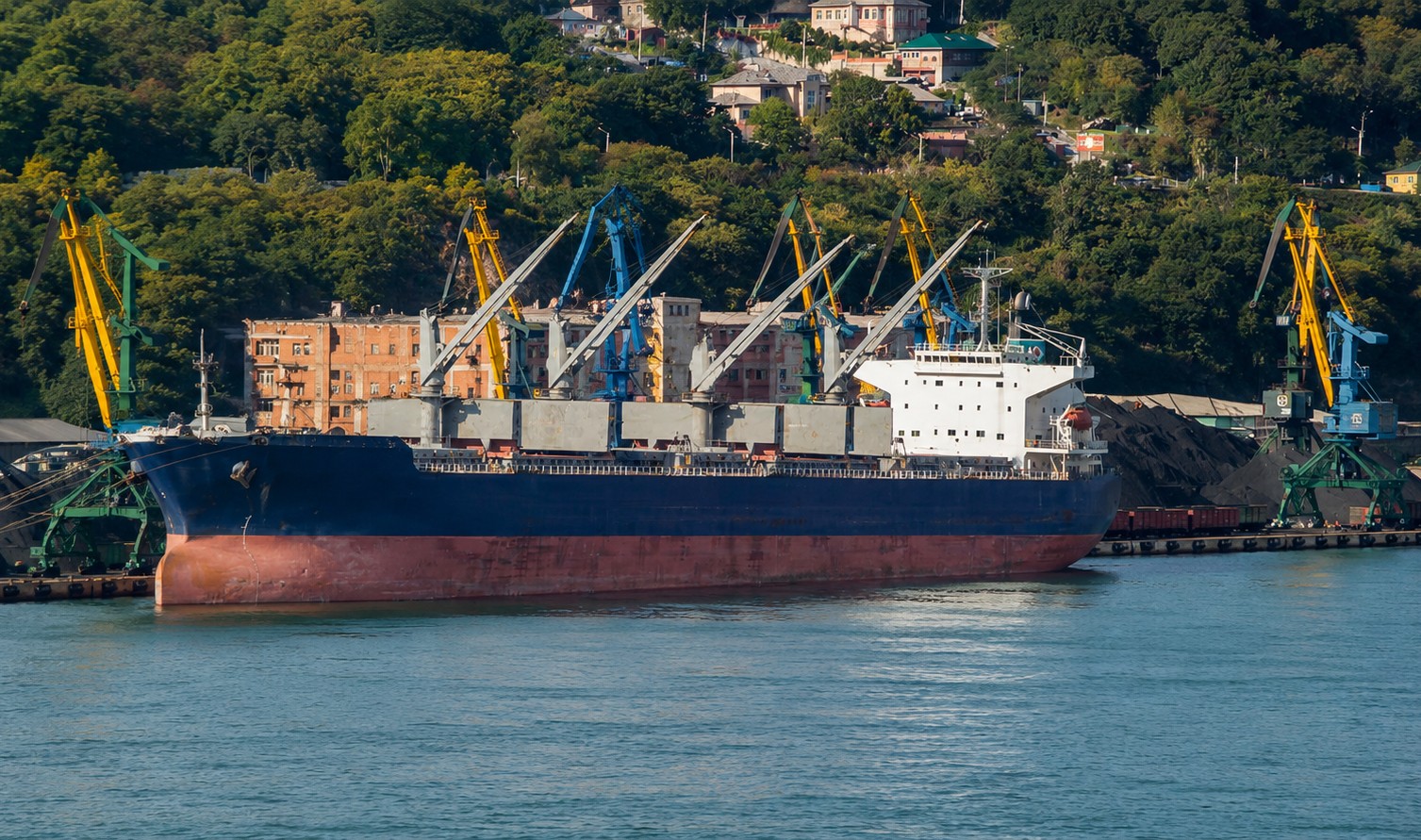
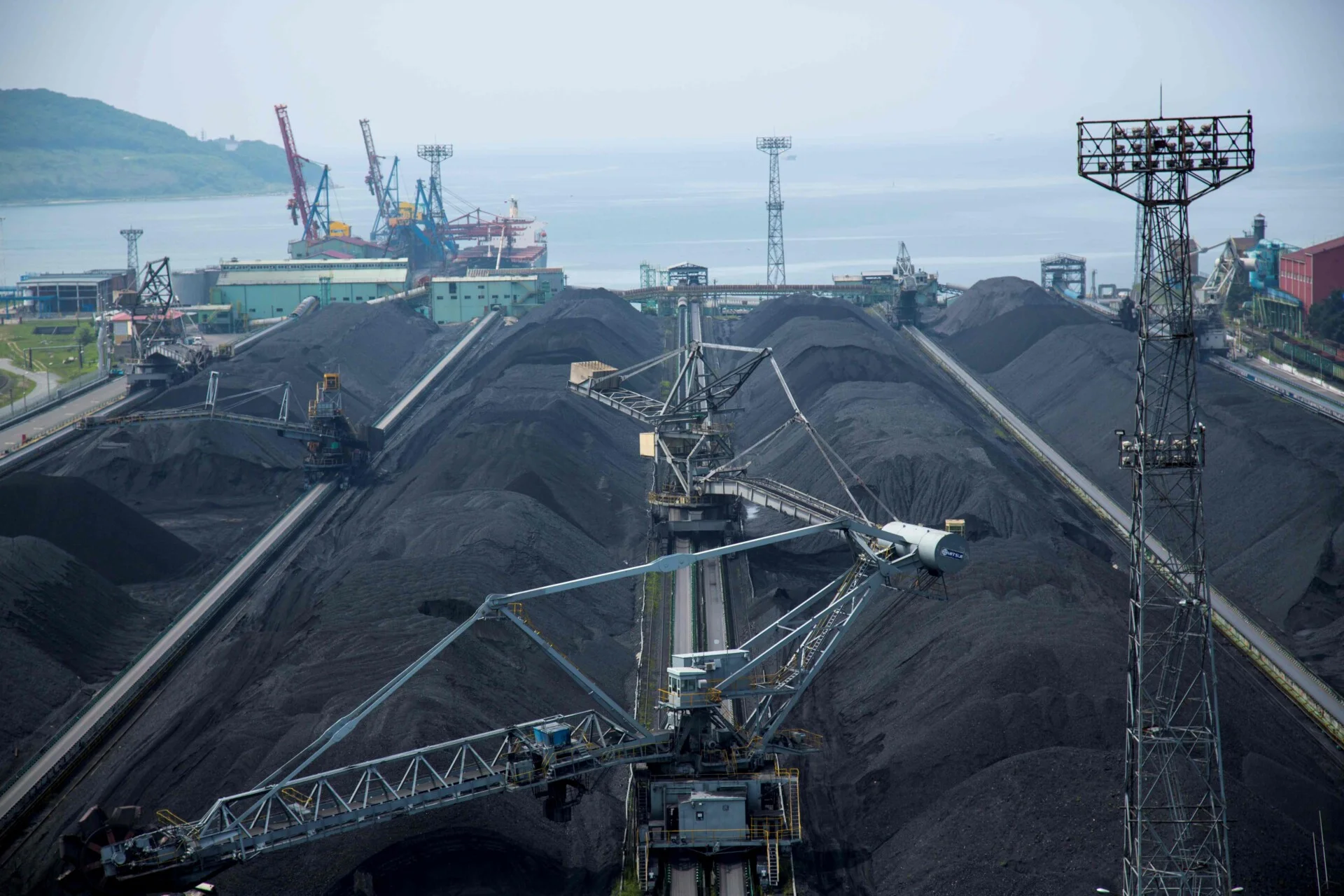
The coal industry will likely be the hardest hit by the consequences of this decision. Coal remains the single largest commodity shipped on the RZD network, accounting for more than 44% of freight turnover. The combination of high volumes and long hauls makes the industry particularly sensitive to tariff pressure.
The most vulnerable routes are those from the Kuzbass basin to ports in the Far East, the Northwest and the Azov-Black Sea basin. Exporters cannot automatically pass on higher tariffs to foreign buyers, so any increase directly squeezes margins or renders specific export routes loss-making.
Since 2022, RZD has also scrapped reduced distance coefficients and preferential rates for thermal coal, which had previously been designed to support exporters. These benefits were eliminated at a time of high export prices but have never been reinstated, even as global coal prices subsequently collapsed. In January 2025, a temporary 10% surcharge on empty railcars shipments was introduced and later made permanent.
The financial situation in the coal industry remains extremely tough. In Jan-May 2026, the sector posted aggregate losses of 1.50 bln USD, while the share of unprofitable companies rose to 66%. 62 companies are currently in the ‘red zone’, of which 20 have already suspended production and the rest are on the verge of shutting down.
Moreover, coal companies are required to repay 646 mio USD to the budget by the end of 2026 – funds they had received as deferrals on mineral extraction tax (MET) and insurance premiums.
Against this backdrop, RZD’s H1 2026 revenue grew to 18.8 bln USD (+11% y-o-y). Operating profit rose 34.5% to 3.57 bln USD, while EBITDA surged 24% to 7.08 bln USD.
RZD has consistently opposed granting discounts on coal shipments, citing the risk of uncovered losses. Yet there is a precedent for an alternative approach. In 2014, when the Russian economy was going through a challenging period, the government froze tariff indexation for RZD and other natural monopolies for one year to curb inflation and lower borrowing costs. The strategy proved effective: the economy gained breathing room to rebuild reserves, while RZD offset the impact through internal cost optimization.
RZD’s losses from the 2014 freeze were estimated at 1.22 bln USD, of which 1.17 bln USD were recouped through efficiency measures. RZD also holds a substantial portfolio of non-core assets (around 7,000 facilities), some of which could be divested without undermining its core operations.
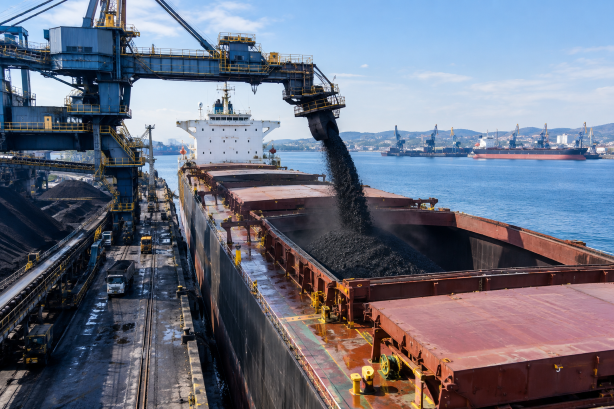
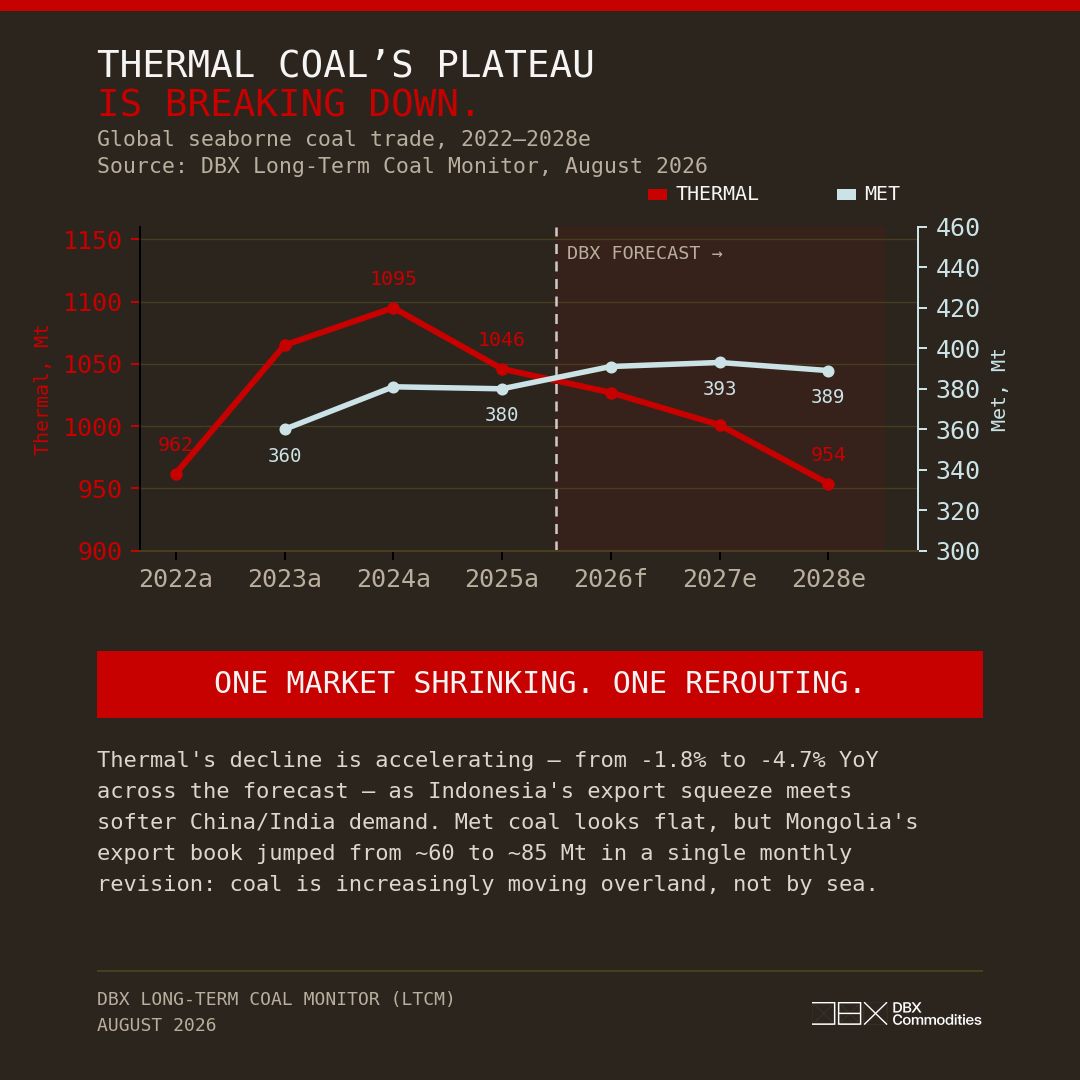
Consequently, the coal industry, already loss-making on export routes, continues to face systemic pressure, that will lead to a further decline in both Russian coal production and exports.
Source: CCA