Russian coal exports through Black Sea ports have been severely disrupted as drone attacks, insurance withdrawals and suspended terminal operations bring shipments across the Azov-Black Sea basin to a near standstill.
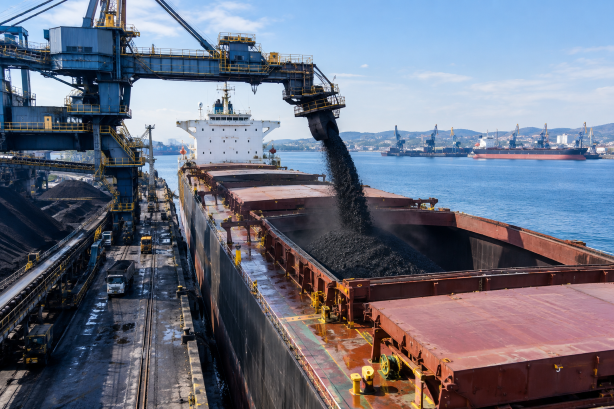
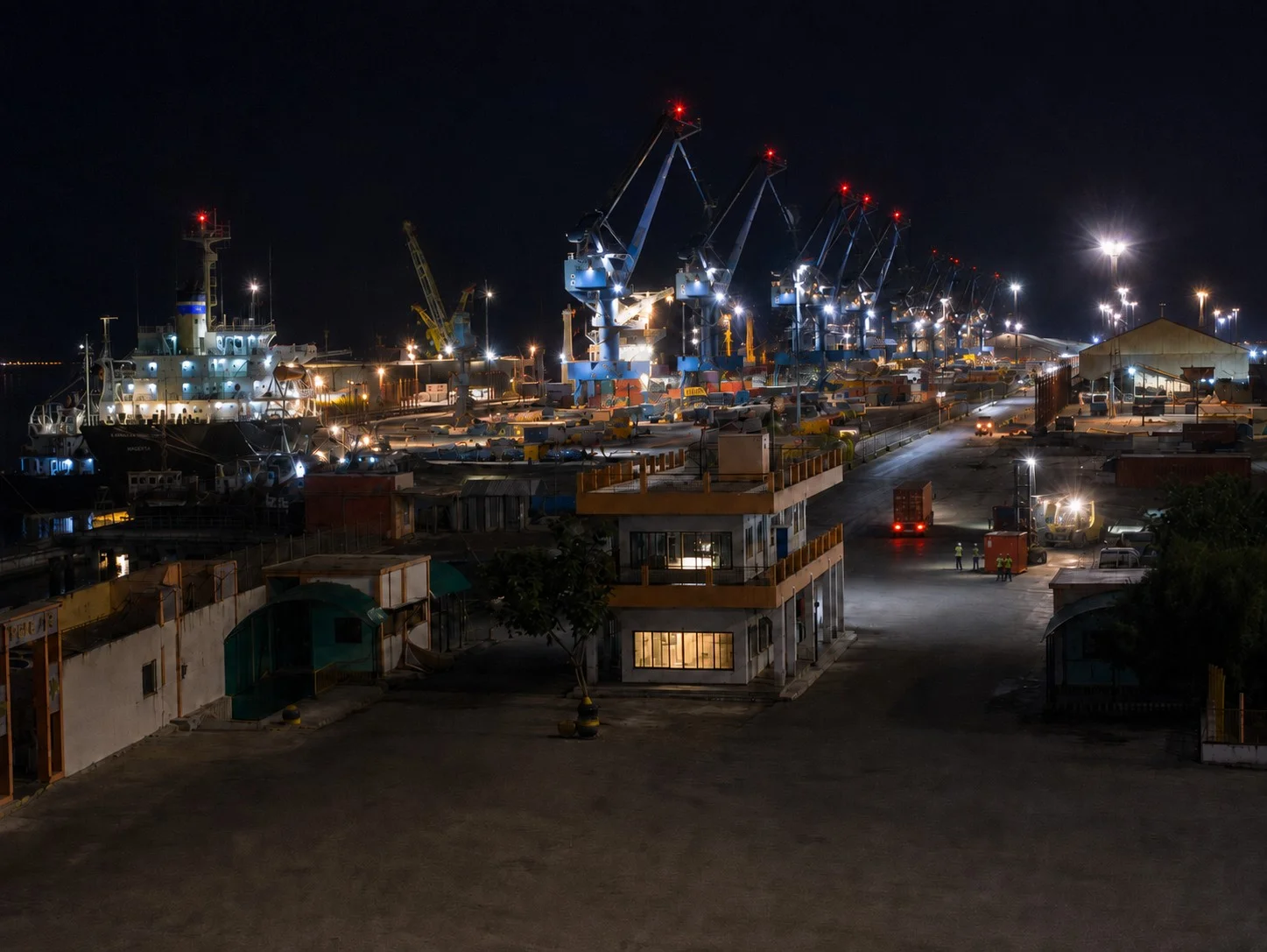
Shipments of Russian and Kazakh coal through Black Sea ports came to a near-complete standstill in August. The key terminal at Taman, which handles the bulk of throughput on the southern route, has virtually suspended coal transshipment. The shutdown follows a series of Ukrainian drone strikes on commercial vessels and a subsequent mass withdrawal of war-risk insurance coverage across the Azov-Black Sea basin.
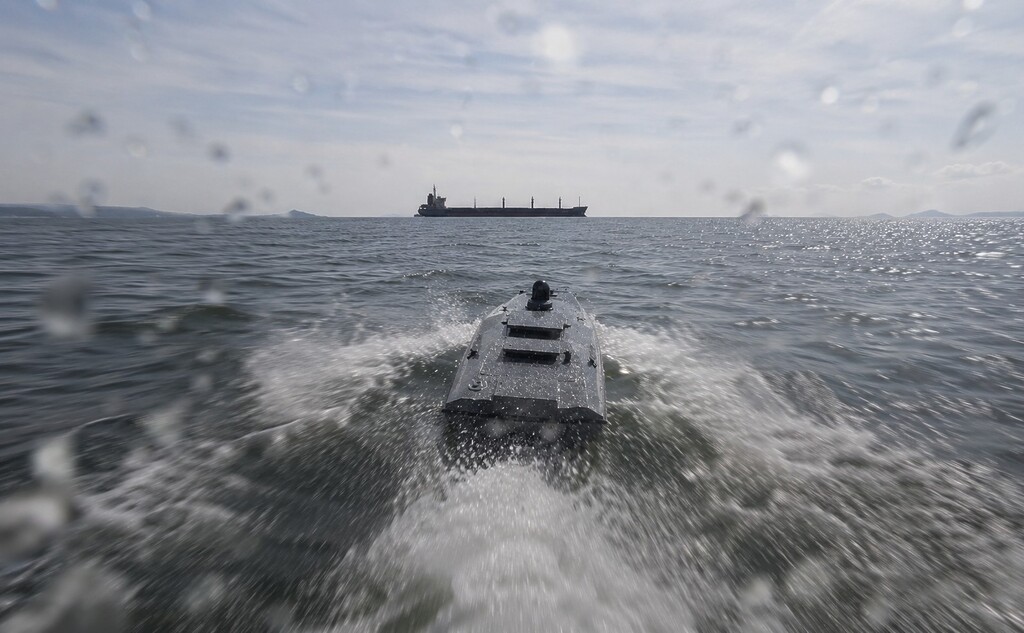
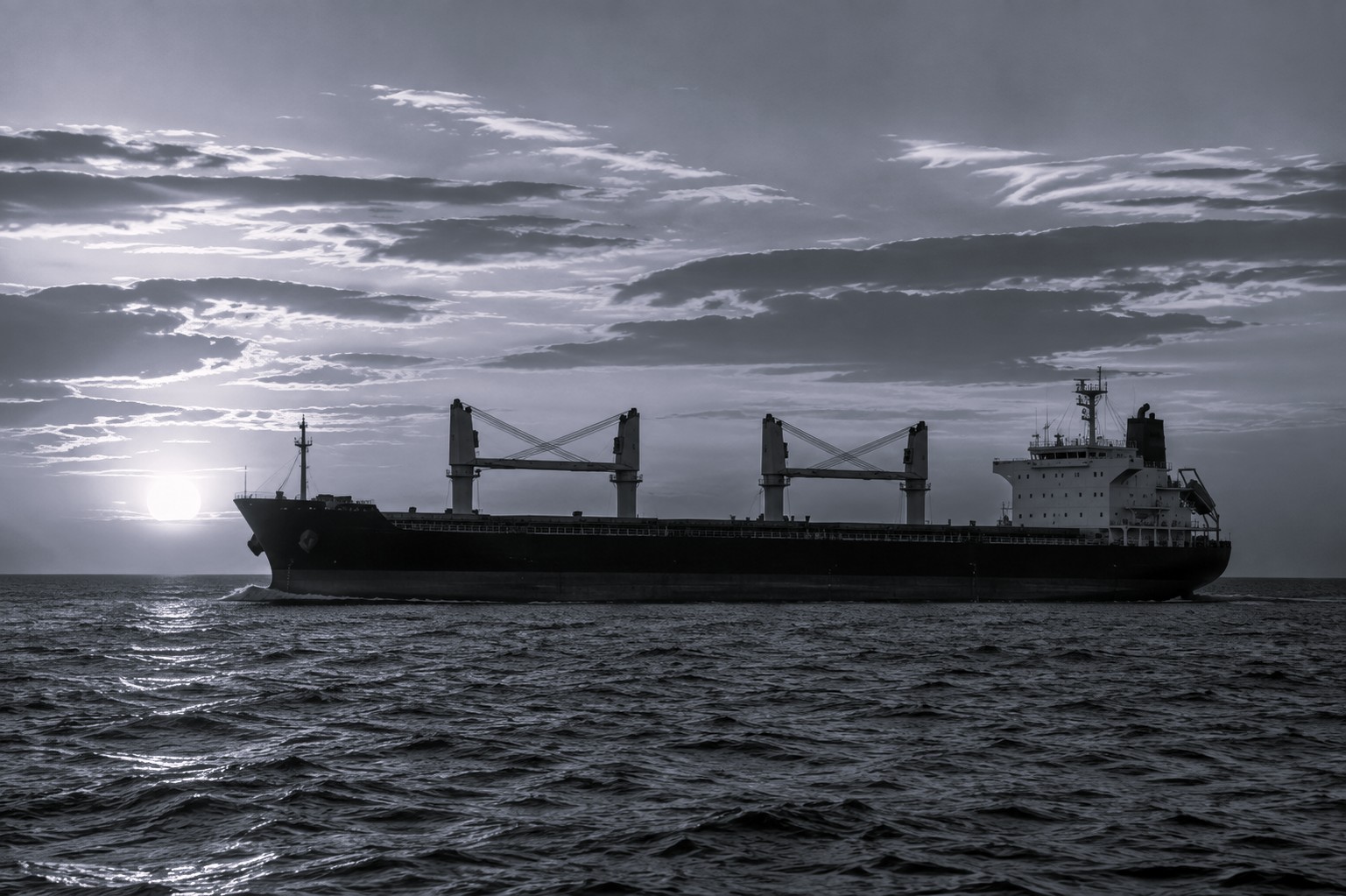
The escalation began with a Ukrainian drone attack on July 23 against the Turkish-flagged bulk carrier Mv Reyhan Sari, which was carrying coal from Taman; one crew member was killed. On August 3, strikes hit two more Turkish civilian vessels — Yashar and Nadezhda — after they departed the port of Novorossiysk.
The market reaction was immediate. Insurers withdrew coverage for the region, and spot coal trading in the area ground to a halt. Transport group FESCO stopped accepting bookings for Black Sea shipments after its container vessel Yanina sank in a drone attack. Multiple port facilities in the Sea of Azov suspended operations, with coal handling rates at some southern ports falling as low as 19%.
The supply disruptions have already driven a noticeable increase in imported coal prices in Turkey. Russian coal deliveries to Turkey in H1 2026 plunged to 12.1 mio t (-3.6 mio t or -22.9% y-o-y). The shrinking availability of tonnage and the suspension of the southern route point to further declines in coal imports and additional price pressure.
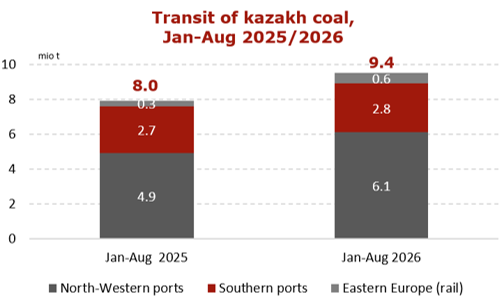
Russian ports on the Black and Azov Seas, which also handle Kazakh coal, boosted throughput by 21.5% in H1 2026 to 13.9 mio t. The southern route, alongside the Far East, was the key driver of overall Russian export growth since the start of the year.
However, should the attacks persist and loadings from the Azov-Black Sea basin remain suspended, the global market risks losing an estimated 10–12 mio t of coal in H2 2026, and potentially twice that volume in 2027, if the situation in the region is not resolved.
Exporters are attempting to reroute flows through terminals in the Baltic and Barents Seas. However, capacity at northwestern ports is constrained by existing contractual volumes and infrastructure limitations, making full substitution of the volumes previously shipped via Black Sea terminals impossible.
Source: CCA