Global coal prices declined across key regional markets. The coal market saw a decline: coal in Europe became significantly cheaper; prices in China remained flat; in Australia, thermal and metallurgical coal quotations fell.
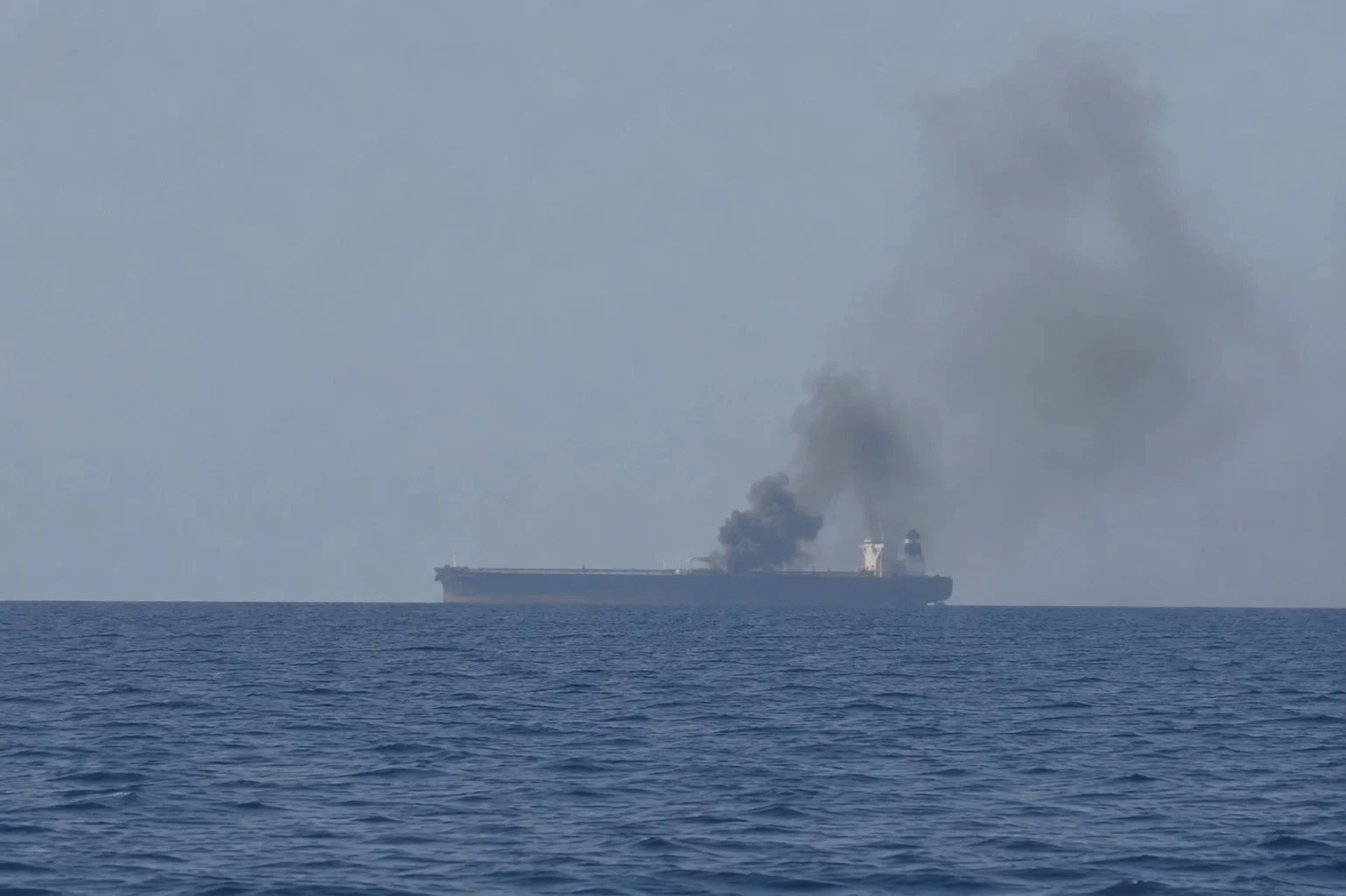
European thermal coal indices dropped sharply below 101 USD/t. Prices came under pressure from falling gas and oil quotations following Trump’s announcements of a two-week truce with Iran and peace talks to be held in Pakistan.
Gas quotations on the TTF hub fell to 537.44 USD/1,000 m3 (-58.42 USD/1,000 m3 or -9.8% w-o-w). Prices reached 630 USD/1,000 m3 during the week and collapsed 17.4% to 520 USD/1,000 m3 on the day the truce was announced. However, on April 09, gas quotations began rebounding toward 560 USD/1,000 m3, following Iranian statements that Israel had violated the truce with attacks on Lebanon and Iran.
Coal stocks at ARA terminals decreased by 7% over the past week to 2.54 mio t (-0.20 mio t w-o-w).
South African High-CV 6,000 weakened below 103 USD/t, following European quotations. Major buyers began switching to alternative suppliers due to high prices. Similar sentiment was observed among European buyers, who shifted to supplies from Colombia and the US.
South African company Exxaro Resources signed a new agreement to supply 9.3 mio t per year of coal to Eskom’s Matla power station until November 2043. The deal, which renews a previous contract that expired in June 2023, followed the extension of key regulatory approvals for Exxaro’s Matla coal mine. The company is also implementing a mine life extension project costing 310 mio USD, scheduled for completion in the H1 of fiscal 2026, which will enable Exxaro to supply product in line with its contractual obligations.
In China, spot prices for 5,500 NAR coal at the port of Qinhuangdao remained virtually unchanged at around 110 USD/t. A wide bid-offer spread kept transaction volumes to a minimum, despite an increase in inquiries and attempts by some sellers to marginally raise quotations. Market participants noted that overall demand remains unstable amid weaker consumption at power plants during the shoulder season.
In the near term, price pressure could come from factors such as growing hydropower output and the ability of large power plants to utilize long-term contracts, keeping spot market purchases to a minimum over the next week or two, given that more generating units are scheduled for maintenance shortly.
Coal stocks at 9 major ports fell to 28.19 mio t (-0.55 mio t w-o-w), while inventories at 6 major coastal thermal power plants remained nearly flat at 12.74 mio t (+0.04 mio t w-o-w).
Indonesian 5,900 GAR strengthened to about 93 USD/t, while the price of 4,200 GAR remained unchanged at 60 USD/t. Despite improved trading sentiment, a gap in price expectations between buyers and sellers persists. One Indonesian producer reported that although inquiries for spot cargoes are coming in on the export market, mining companies are prioritizing sales to domestic end-users.
Indonesian authorities have directed 110 coal companies to supply over 88 mio t of coal to local power plants operated by state-owned company PLN. This represents 59% of the 150 mio t that authorities plan to secure for power generation in 2026.
Indonesia’s finance minister stated that the country’s coal companies will face an increase in mining royalty rates in addition to the proposed export levy being prepared for introduction this year as part of efforts to reduce the state budget deficit.
Australian High-CV 6,000 dropped below 137 USD/t, after hitting a 17-month high of 145 USD/t, following news surrounding Iran. Mid-CV material rose on demand from China and India.
Despite the fuel crisis caused by the closure of the Strait of Hormuz, Australian coal hauler Pacific National (PN) is not facing diesel supply issues. However, not all carriers operated normally: the Hunter Valley rail network operator in New South Wales reported that coal train movements on some sections of the network were closed for three days through April 02 due to maintenance. Queensland Rail reported that strike action disrupted coal train movements between Ipswich and Rosewood on April 01.
Australia’s HCC metallurgical coal index continued to hold at 236 USD/t, resulting from weakening buyer interest, as market participants adopted a wait-and-see stance, expecting some downward price correction.
The forward price for Low Vol PCI for Q2 2026 (April-June) was set between Queensland producer Foxleigh and a Northeast Asian steel mill at 178 USD/t FOB.
Source: CCA