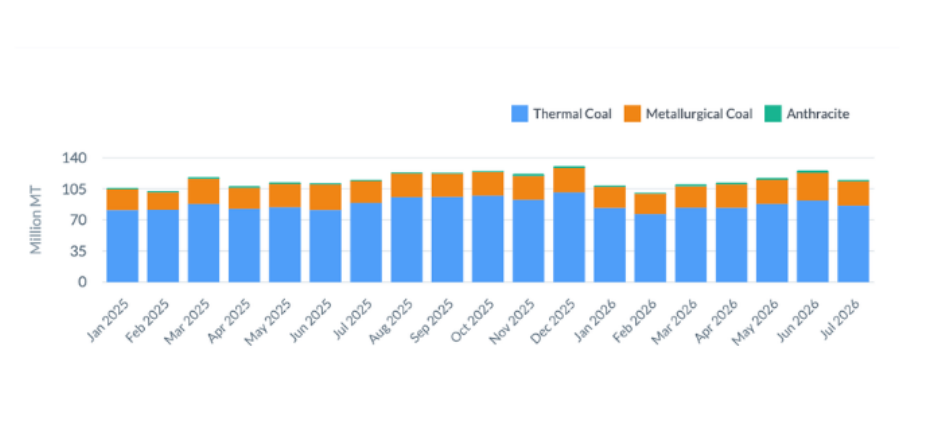
Global coal prices showed divergent movements: indices in Europe continued to decline; in China, coal became more expensive; in Australia, both thermal and metallurgical coal quotations rose.
European thermal coal indices continued to correct downward, falling below 112 USD/t. Prices came under pressure from a broad decline in energy prices amid de-escalation, following a temporary halt to strikes on Iranian energy infrastructure and Trump-announced negotiations. Additional negative factors included a renewed rise in CO2 emission allowance costs, increased solar generation, and forecasts of a surge in wind generation in late March.
Gas quotations on the TTF hub fell over the week to 659.74 USD/1,000 m3 (-63.54 USD/1,000 m3 or -8.8% w-o-w). European UGS inventories declined by 1 percentage point to 28% (compared with 35% a year earlier). Coal stocks at ARA terminals, amid the shoulder season, dropped to 2.41 mio t (-0.29 mio t or -11% w-o-w). By some estimates, current coal stocks are sufficient for roughly two months of consumption. Restocking is expected to gradually resume from mid-April as power companies begin preparing for summer demand.
German authorities on March 25 approved a climate protection program aimed at reducing the country’s dependence on imported fossil fuels while cutting CO2 emissions by 2030. Funding for the initiative is also directed at replacing gas and coal generation, as well as lowering wholesale electricity prices by approximately 6 EUR/MWh.
South African High-CV 6,000 weakened to 108-109 USD/t due to falling European indices and increased US shipments to India.
Thungela Resources identifies two independent drivers of demand for South African coal: a structural upturn from India and a surge in energy purchases due to military operations. Thungela noted that the growth in demand from Indian sponge iron consumers had been observed even before the conflict in the Middle East began.
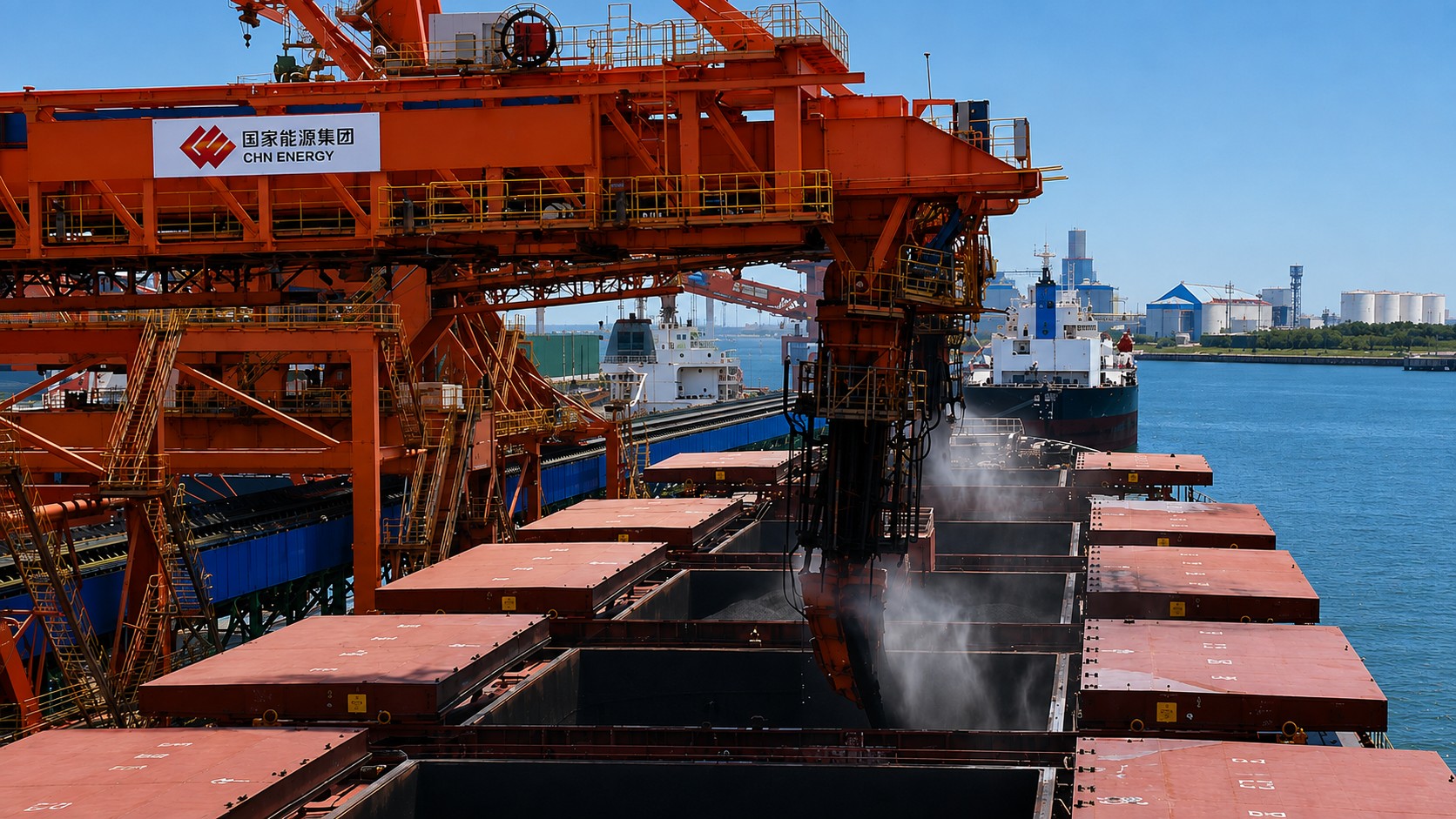
In China, spot prices for 5,500 NAR coal at the port of Qinhuangdao strengthened to 109 USD/t. Prices were supported by factors such as declining imports and strong economic data since the start of the year, including industrial activity reaching multi-month highs.
This occurred despite some sources questioning the sustainability of the current rally, given that chemical producers in northern China are already showing resistance to higher prices. Some sources noted that price gains were largely sentiment-driven rather than demand-led, considering that many end-users have already built substantial inventories, while hydro and solar generation are increasing during the current shoulder season for thermal power plants, suggesting the potential for a correction.
All major Chinese thermal coal importing provinces recorded sharp volume declines in February. Total coal imports in February amounted to 30.94 mio t, the lowest since March 2023, down 10% from February last year, though January-February imports rose 2% to 77.22 mio t.
Stocks at 9 major ports increased to 28.41 mio t (+1.10 mio t w-o-w), while inventories at 6 major coastal thermal power plants fell to 12.74 mio t (-0.48 mio t w-o-w).
Indonesian 5,900 GAR stood at 92 USD/t, while 4,200 GAR was flat at 60 USD/t. Indonesian material, after an extended rally, edged slightly lower following authorities’ statements about their readiness to review/ease coal production cut policies, provided coal prices remain stable and high.
Indonesia’s president officially approved the introduction of export tariffs on coal and nickel due to high budget pressures stemming from a sharp spike in global hydrocarbon prices. Specific tax rates have not yet been announced, as discussions on their level are ongoing.
Australian High-CV 6,000 strengthened above 135 USD/t on expectations of higher demand from South Korea, following the country’s decision to lift caps on coal-fired power generation. Some reports indicate Japan will also lift restrictions on coal-fired power plant operations as part of energy security measures.
Australia’s HCC metallurgical coal index jumped to 236 USD/t due to increased demand from India, Indonesia, and even South America. Additionally, shipment delays for Australian premium North Goonyella coal proved more severe than expected. Steady steel production growth in China and the start of coke price hikes are also supporting coking coal prices.
Meanwhile, the recent rise in freight rates is making US and Canadian coal less competitive in the Asian market. Market participants note that suppliers are avoiding fixed-price contracts given the optimistic sentiment.
Source: CCA