The Federal Antimonopoly Service (FAS) proposed a radical change to the Russian Railways (RZD) tariff indexation system, moving away from the ‘inflation minus’ principle. Instead, it suggests linking tariff increases to the holding company’s ‘price pressure index’, which undermines the fundamental basics of railway tariff formation.
The essence of the innovation is to allow RZD to compensate for rising costs through future tariffs over a three-year period.
The calculation is suggested to take into account almost all types of the company’s expenses: from wages and fuel to depreciation and other costs.
This initiative is controversial because the new formula, instead of creating incentives to reduce costs, will encourage RZD to raise them. After all, the higher the costs, the greater the tariff increase RZD can expect. In effect, cost-saving will become unpreferable for the company.
The ‘inflation minus’ principle is applied to natural monopolies worldwide precisely to incentivize cost reduction. Besides, the new approach calls into question the FAS’s ability to control tariffs. The agency will be forced to agree with the figures provided by RZD, lacking real leverage to verify their reasonableness.
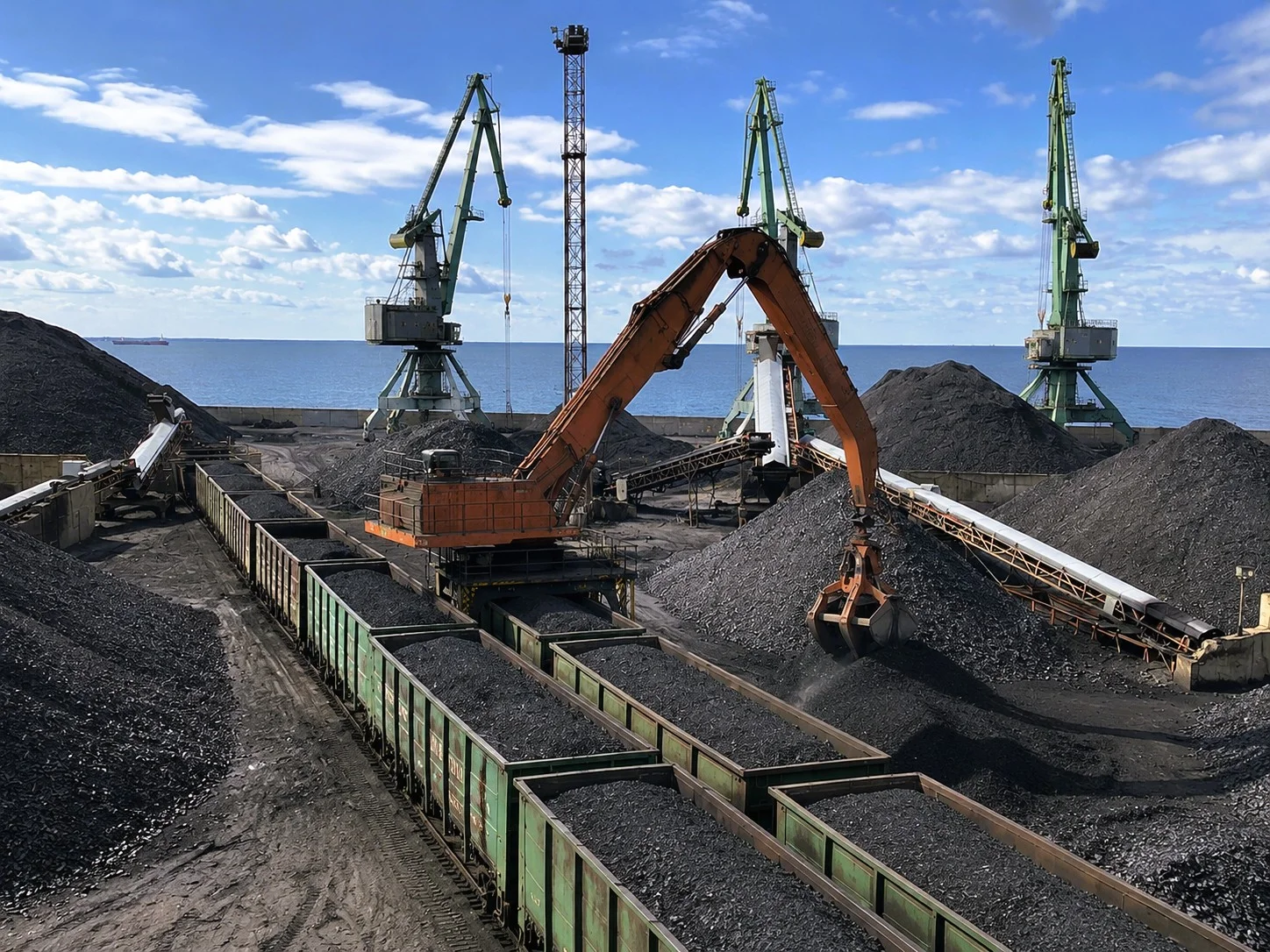
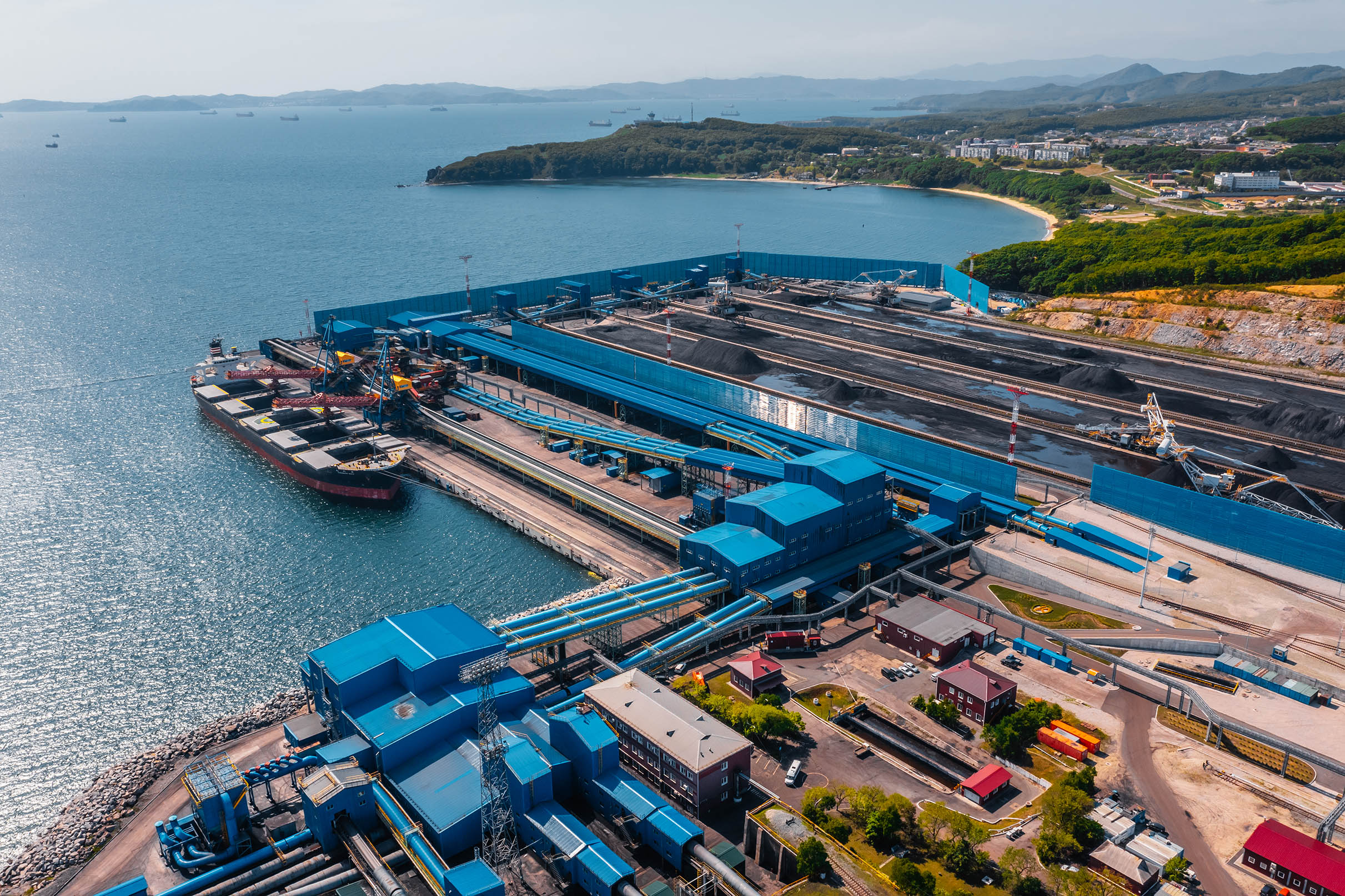
Ultimately, the burden of additional costs will fall on the shoulders of shippers, including coal exporters, who are already suffering record losses due to low prices, anti-Russian sanctions, and high railway tariffs, which have increased by 65% over the past three years, twice the rate of inflation. According to some estimates, under the new method, coal companies will pay an average of 0.3 billion USD more per year than if indexation were carried out according to the previous ‘inflation minus’ formula.
It gives the impression that RZD’s strategic toolkit, despite its record profits, boils down to a single option: increasing the cost of its services. This is despite the fact that the company receives state capital injections amounting to billions of USD annually. The question arises: perhaps the problem lies not with the coal miners or other shippers, but with the inefficiency of the company’s management, which, despite constant tariff increases and profit growth, still turns to the state for help?
Source: CCA Analysis