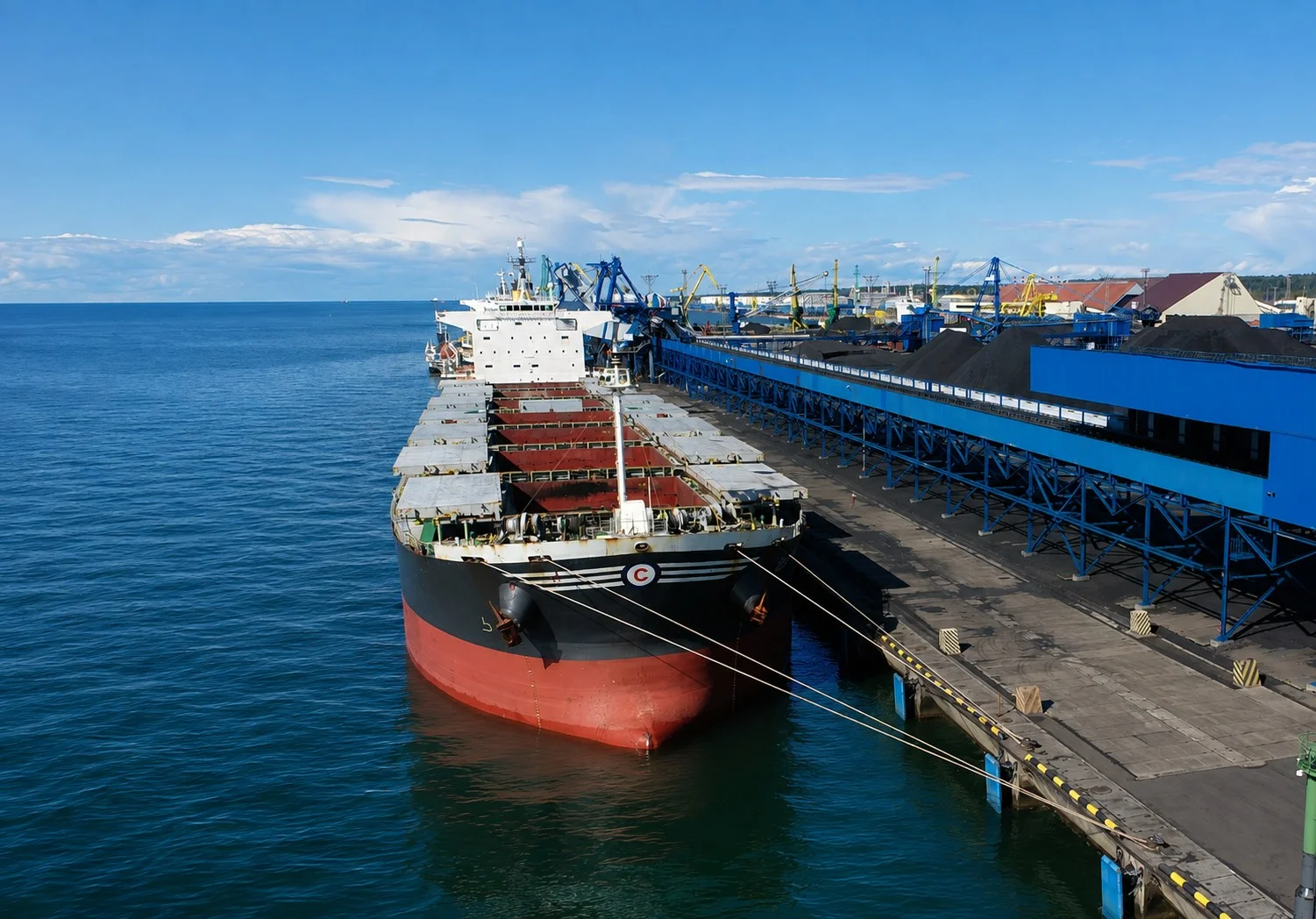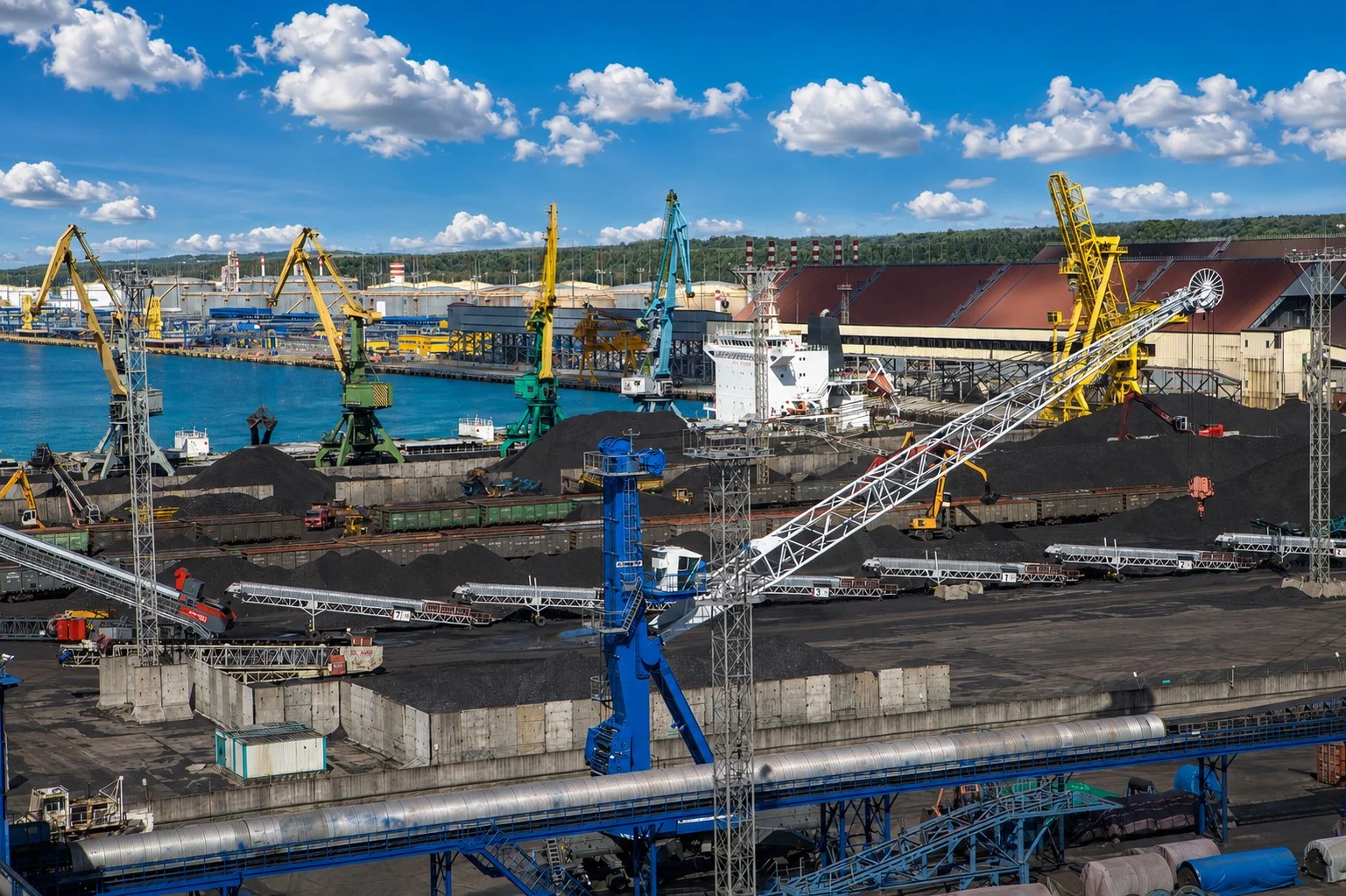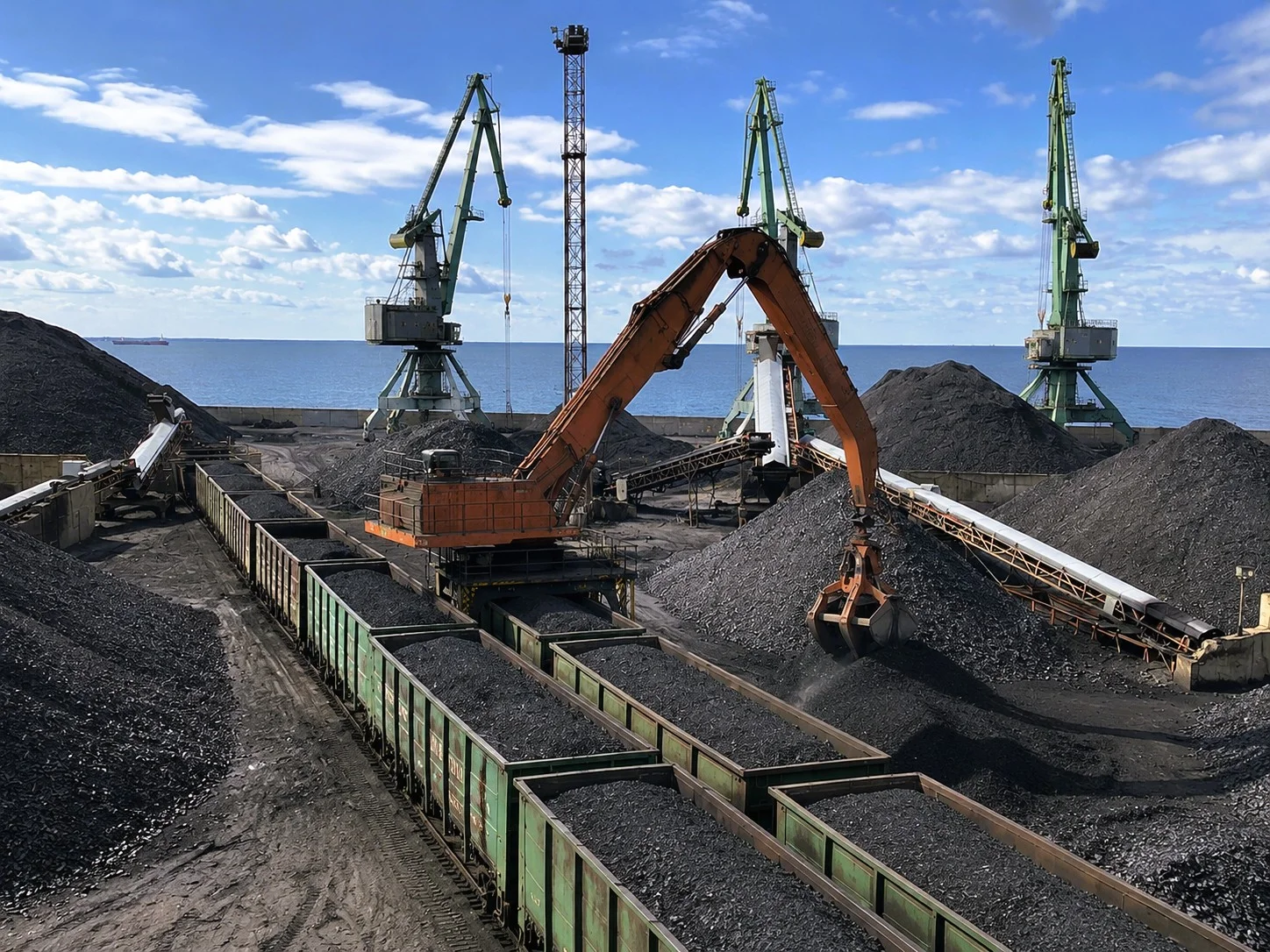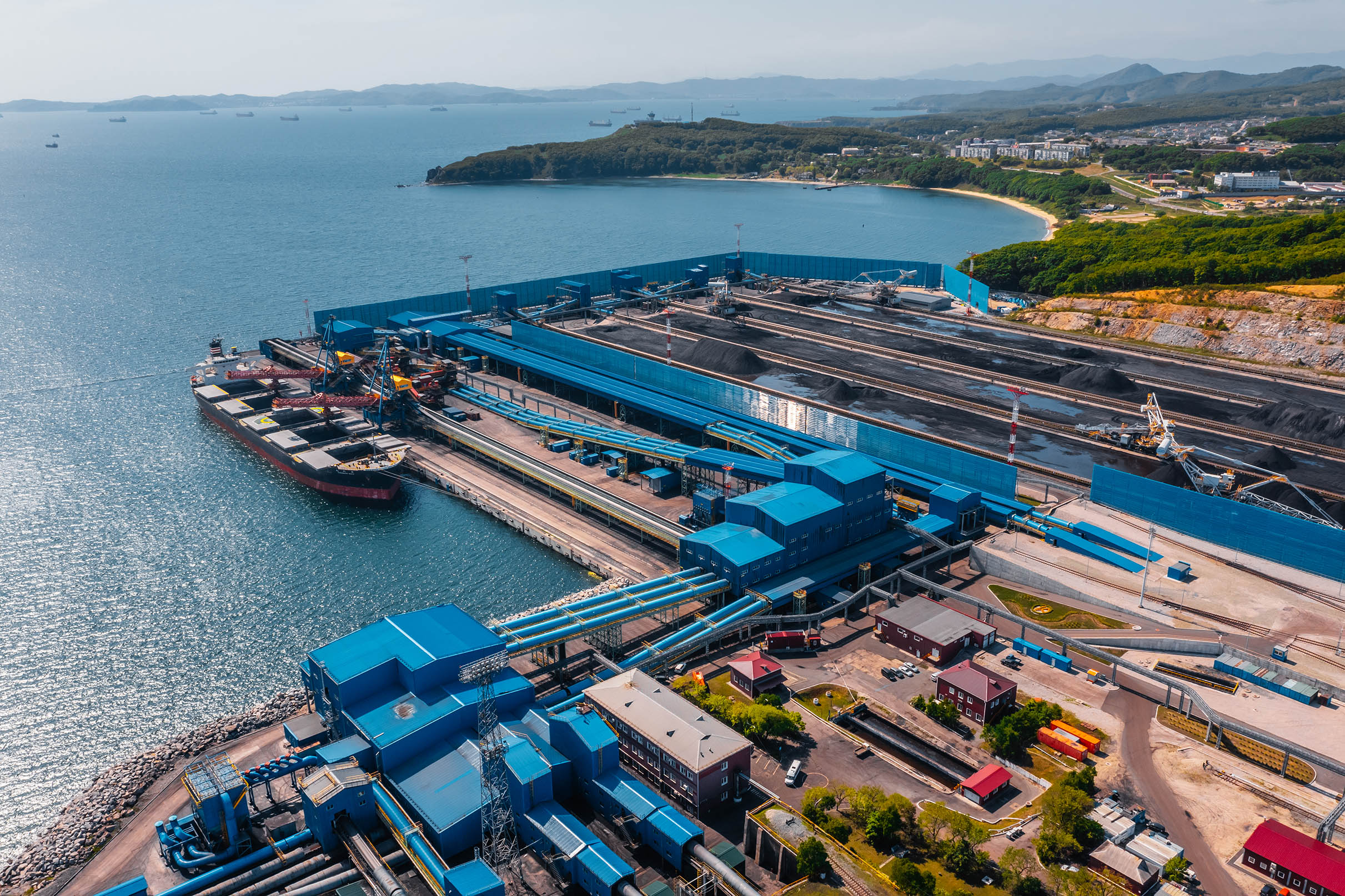



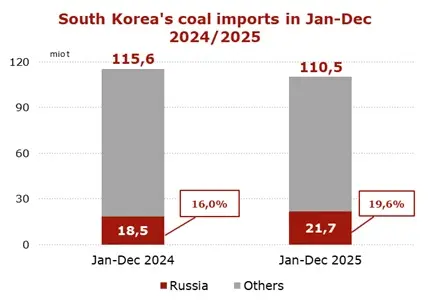
In December 2025, Russian coal exports to South Korea dropped to 1.5 mio t (-0.4 mio t or -21.1% vs. Nov 2025 and -0.1 mio t or -6.3% vs. Dec 2024), continuing a decline from September 2025. Nevertheless, in January–December 2025, Russian coal exports to South Korea totaled 21.7 mio t (+3.2 mio t or +17.3% y-o-y).
The decline in supplies in the last month of the year was attributed to heightened market competition. Colombian suppliers boosted their December shipments by almost 5 times (m-o-m) and 2.5 times (y-o-y), offering South Korean consumers aggressive pricing with significant discounts and partial freight coverage.
Furthermore, Russian coal exports to South Korea are curbed by restrictive recommendations from the authorities to state-owned energy companies. South Korea’s total coal imports in 2025 decreased to 110.5 mio t (-5.1 mio t or -4.4% y-o-y).
South Korean coal imports (January–December 2025):
· Australia: 34.7 mio t (+1.1 mio t or +3.3% y-o-y);
· Indonesia: 28.6 mio t (+0.1 mio t or +0.4% y-o-y);
· Russia: 21.7 mio t (+3.2 mio t or +17.3% y-o-y);
· Canada: 8.0 mio t (-1.9 mio t or -19.2% y-o-y);
· Colombia: 7.2 mio t (-2.3 mio t or -24.2% y-o-y);
· USA: 3.7 mio t (-0.8 mio t or -17.8% y-o-y);
· South Africa: 3.3 mio t (-2.9 mio t or -46.8% y-o-y).
Given the crisis in the Russian coal industry, South Korea remains strategically important due to comparatively higher prices than other key markets like China and India.
Russian exporters face the challenge of balancing the maintenance of supply volumes with growing pressure on the sales margins in the South Korean market.
The unprofitability of Russian coal exports keeps growing because of expensive logistics and a strong rouble.
Still, producers are trying to maintain their market share, owing to the quality of their material and expectations of better conditions in the medium term, including stabilization of global prices after they hit rock bottom, as well as the forecasted correction of the rouble exchange rate.
Source: CCA