

Russian coal industry losses are expected to deepen further in 2026 as market and cost pressures intensify.
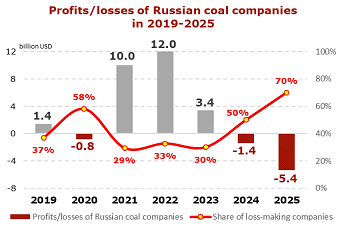
The Ministry of Energy forecasts that losses of Russian coal companies may reach 7 bln USD in 2026, up 27% from last year. In 2025, net losses amounted to 5.4 bln USD, which is 3.5 times higher than the previous year and significantly above the ministry’s expectations (3.6-4.2 bln USD). Thus, the 2026 result may also exceed the Ministry of Energy’s forecast, which assumes the continuation of unfavorable market conditions.
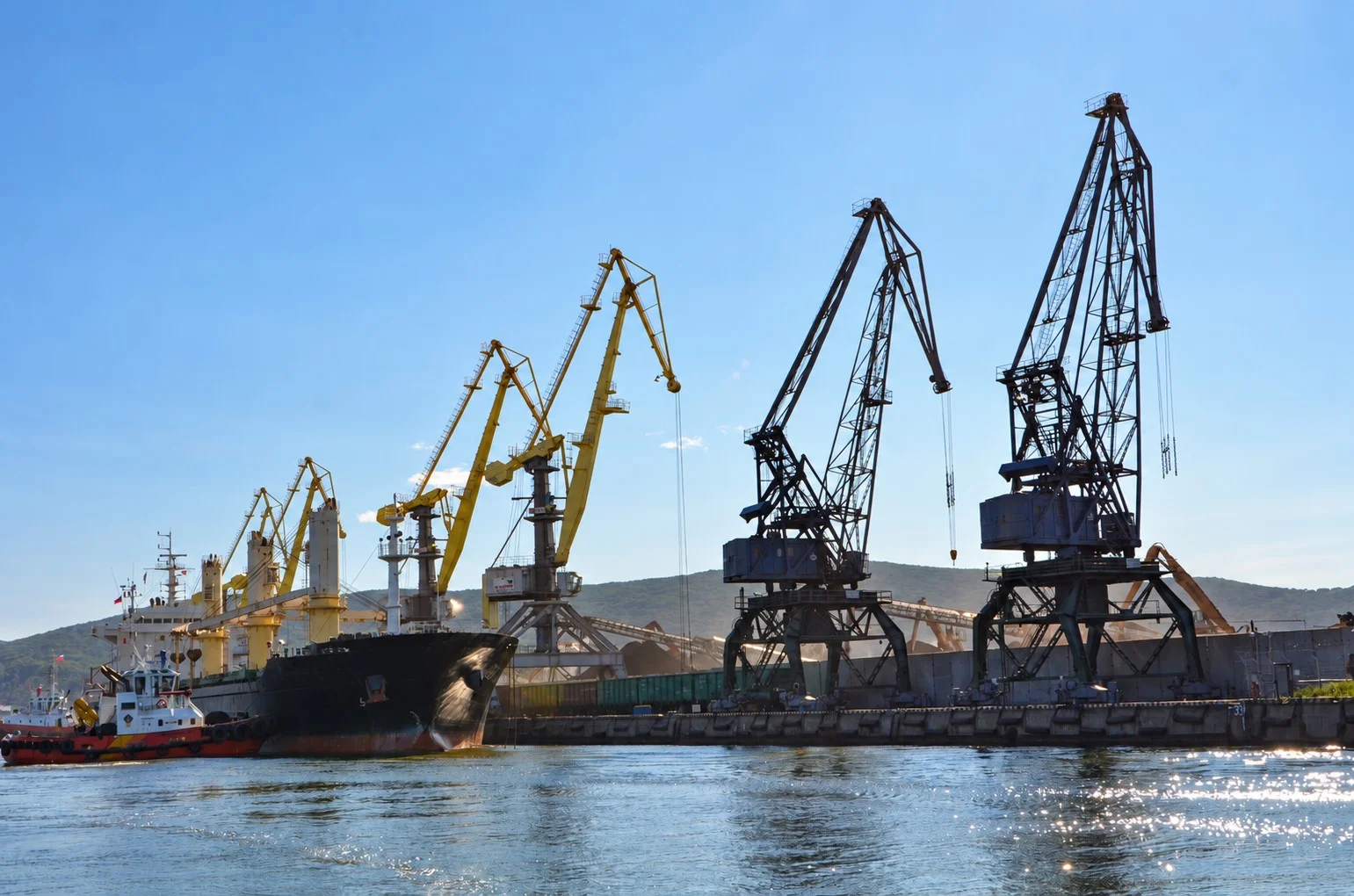
An additional negative factor in 2026 was the armed conflict in the Middle East, which triggered a significant increase in freight rates and bunker fuel prices, but provided only brief support to coal prices.
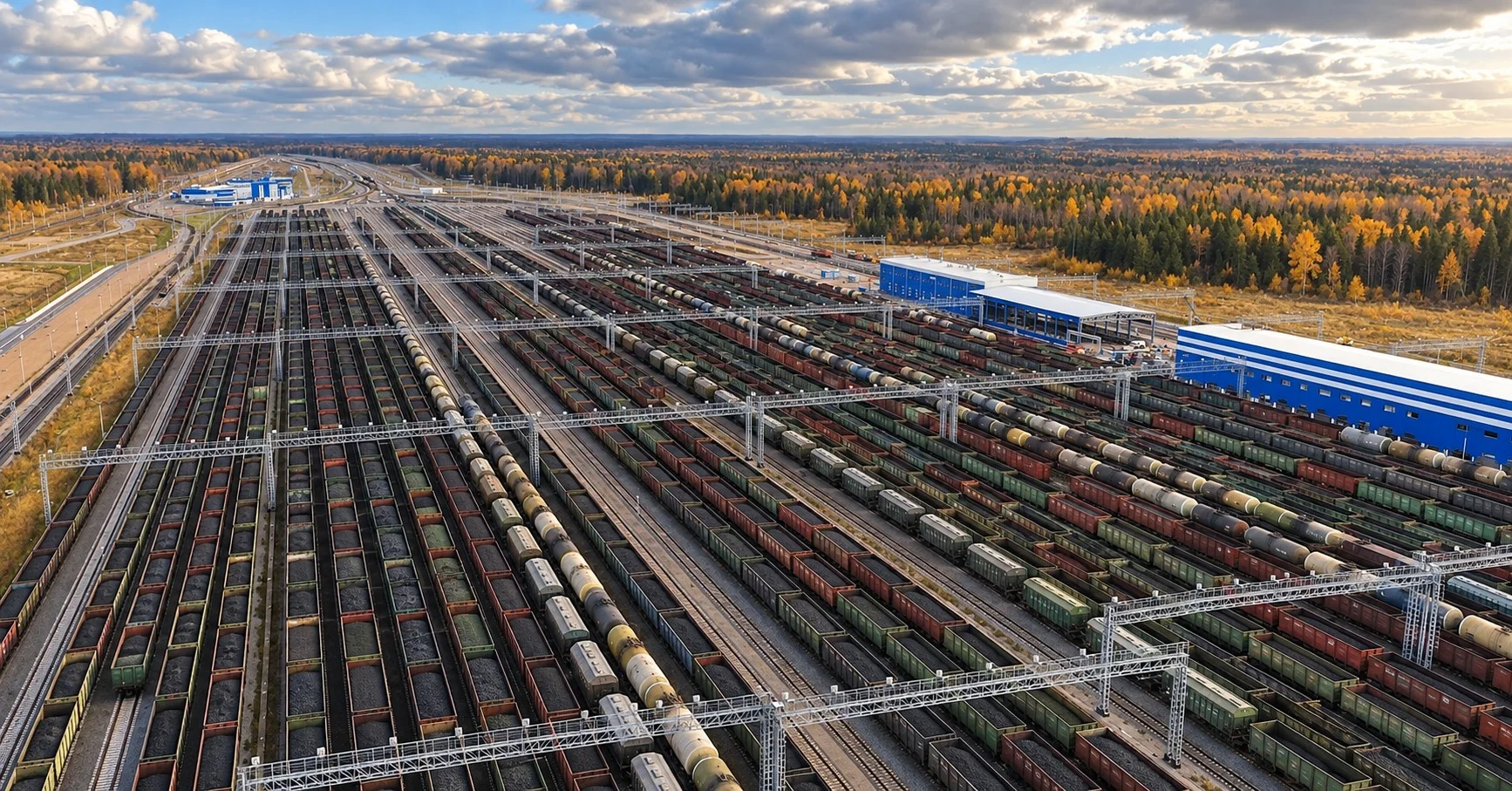
Transportation costs continue to rise, as Russian Railways (RZD) increases tariffs annually in violation of the “inflation minus” principle: in 2025, the increase amounted to 13.8%, a 1% surcharge was introduced in March 2026, and further indexation is expected.
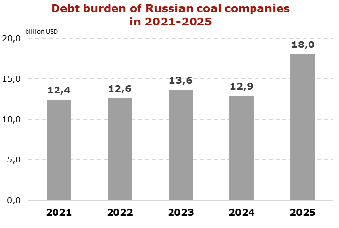
Moreover, Russian national currency strength persists, and bank interest rates remain high, placing significant pressure on coal producers and exporters, as well as increasing the debt burden. Debt burden by the end of 2025 was expected to amount to 18 bln USD (+5.1 bln USD or 40% y-o-y). Despite this, the government does not plan to extend the deferment on mineral extraction tax (MET) and insurance premium payments after April 2026.
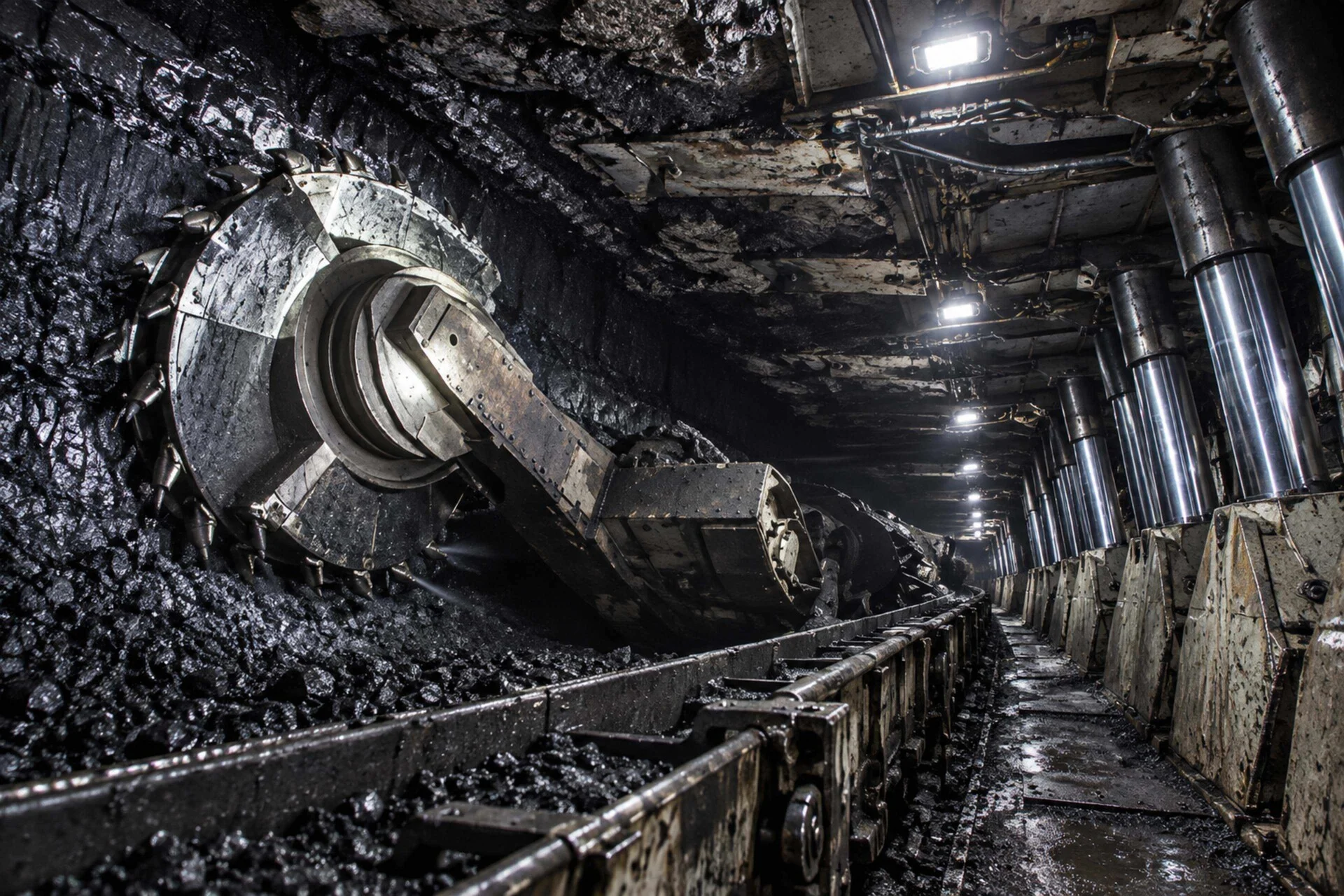
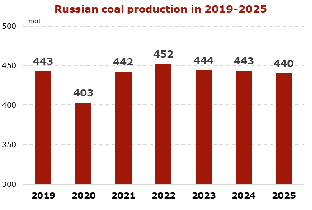
As a result, coal companies are being forced to scale back their investment plans, not only in terms of development, but also in maintaining production levels and industrial safety projects.
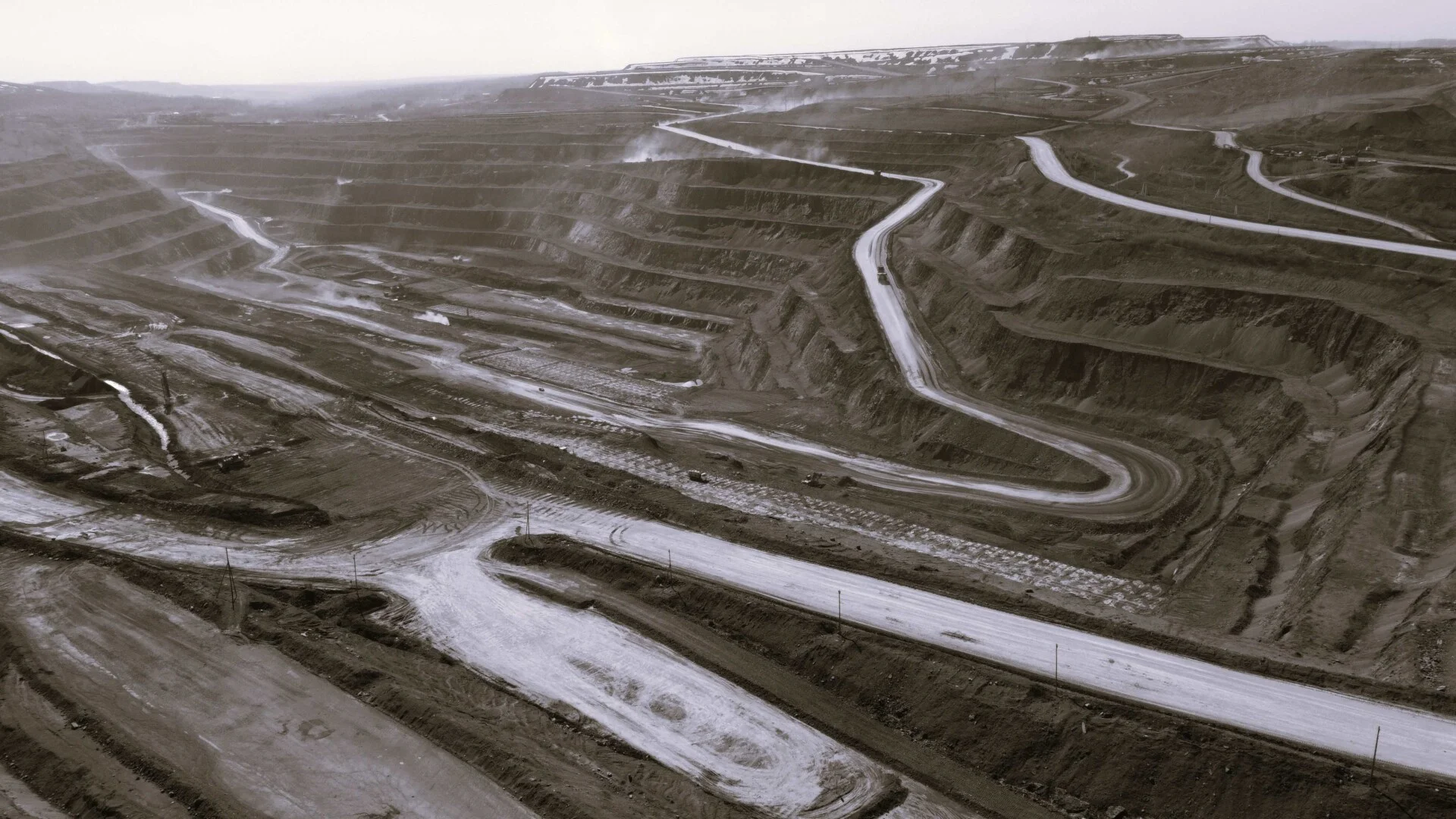
In 2025, the share of loss-making companies reached 70%, compared to 50% a year earlier. There are 62 enterprises in the red zone, of which 20 have already halted production, and the rest are on the verge of stopping.
Thus, in 2026, the Russian coal industry is expected to see an intensification of negative trends amid low global market prices, rising production costs, and a strengthening ruble. Additional factors that continue to negatively impact the financial performance of coal companies include high rail tariffs and limited capacity of rail infrastructure in the Eastern direction. Due to Western sanctions, the list of countries available for Russian coal exports remains restricted.
Source: CCA