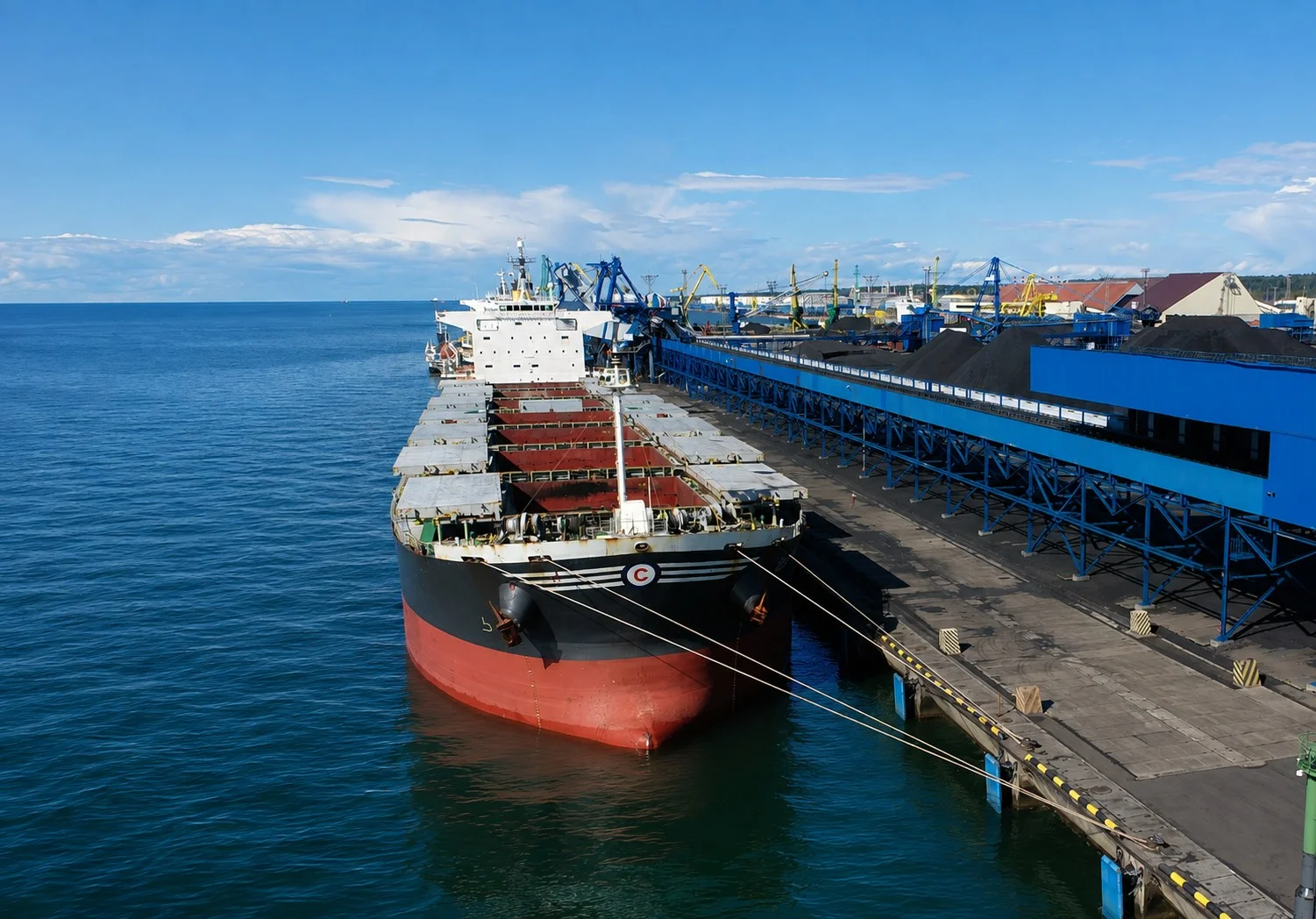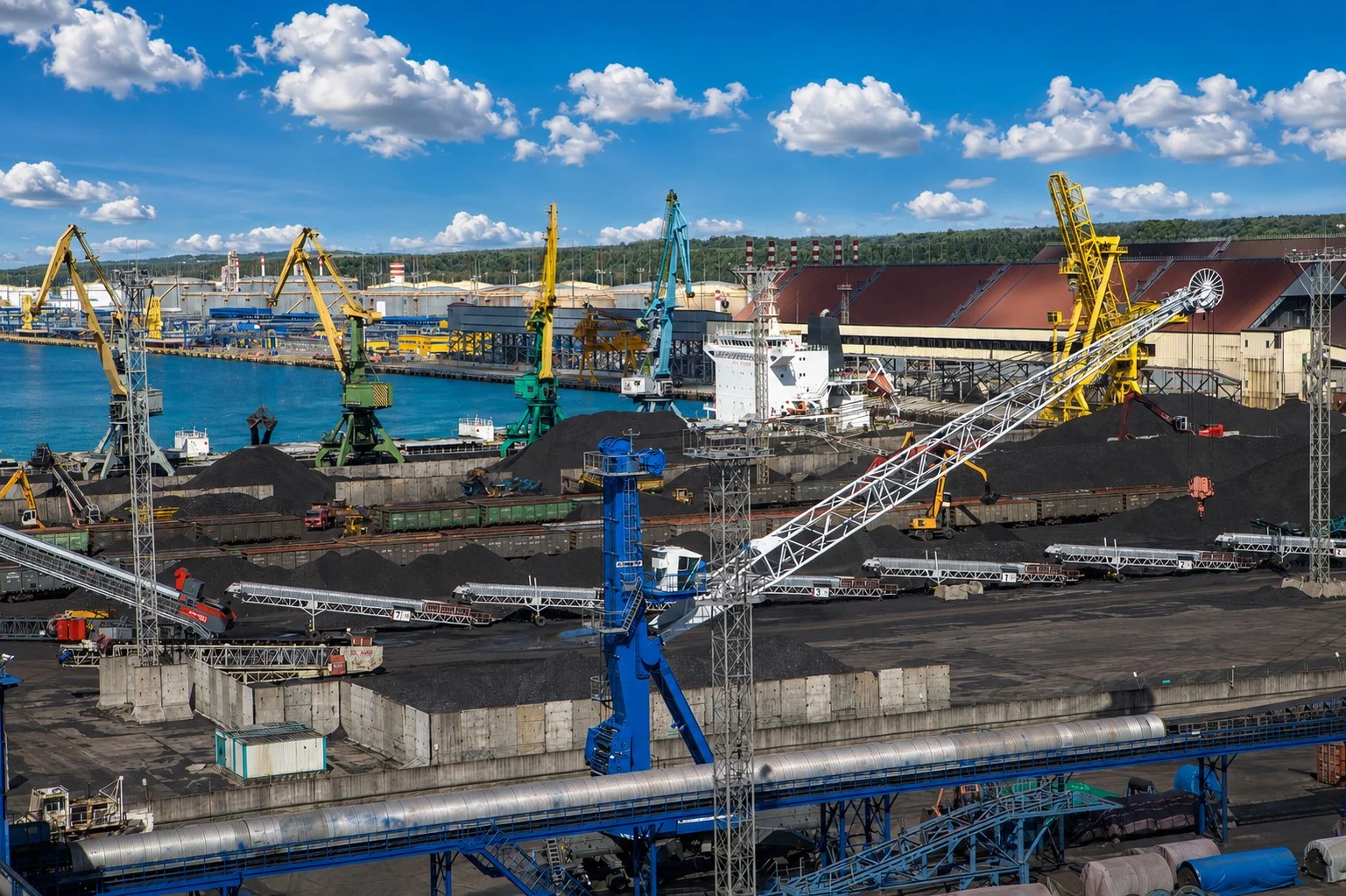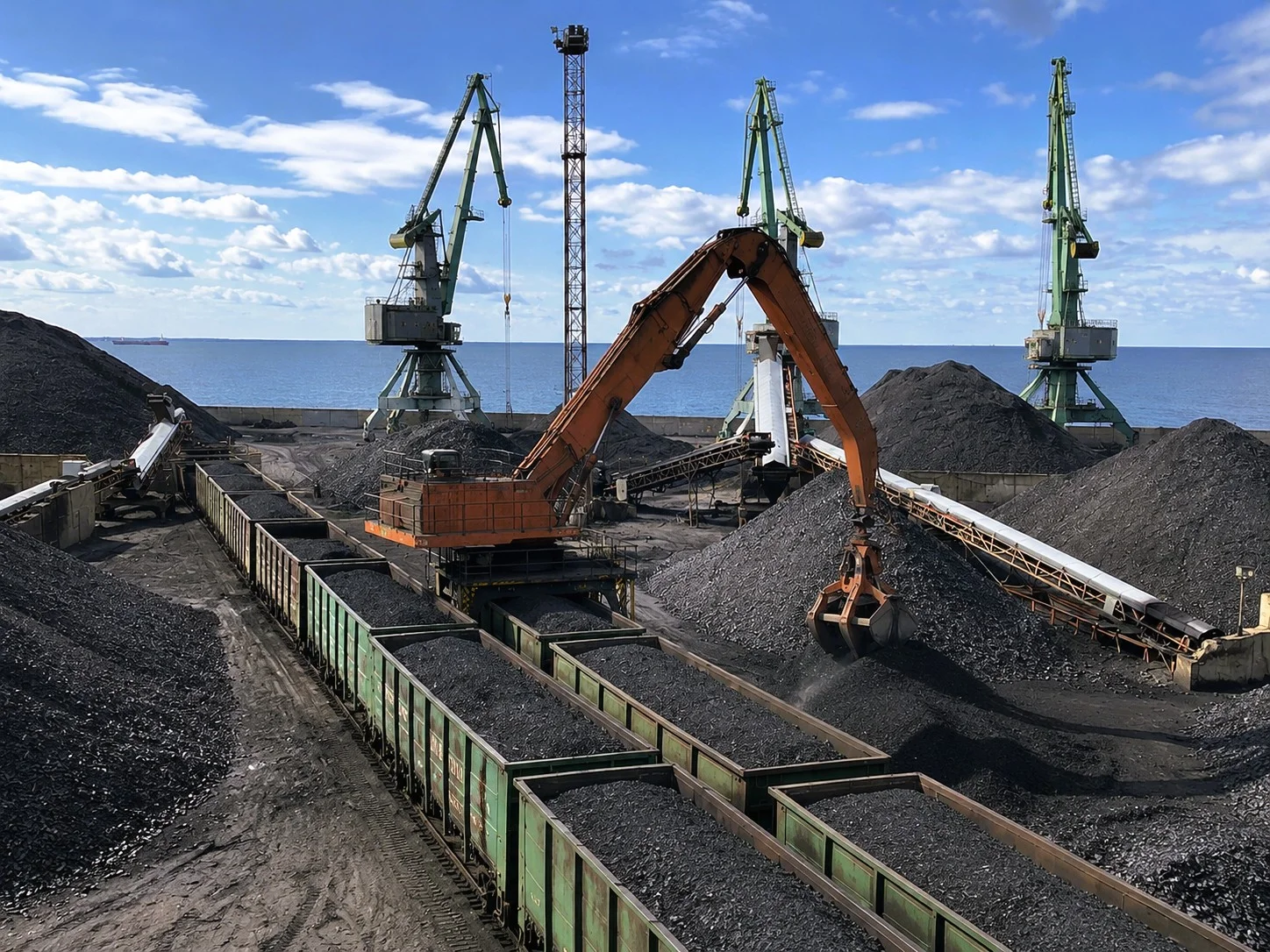


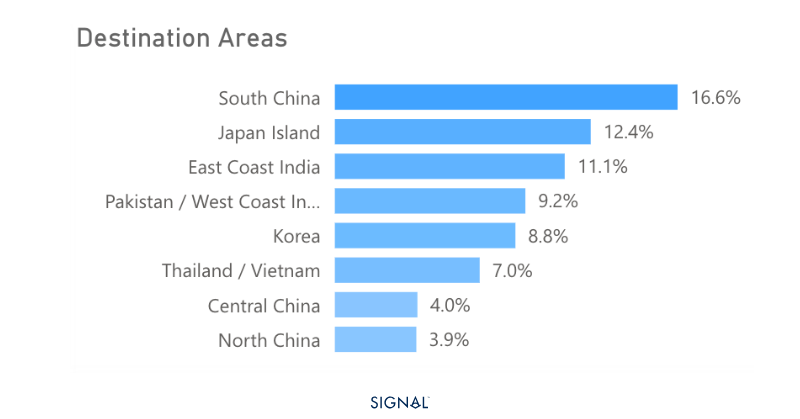
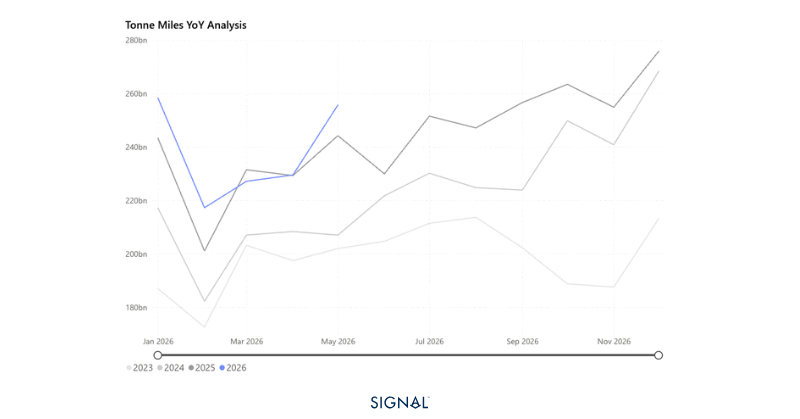
South Asian coal demand is continuing to support stronger seaborne coal flows, as tight energy supply from the Arabian Gulf pushes Asian power markets to rely more heavily on coal. According to the latest market data, global seaborne coal flows reached 119 mt in May 2026, rising 5% year on year and building on the growth recorded in April.
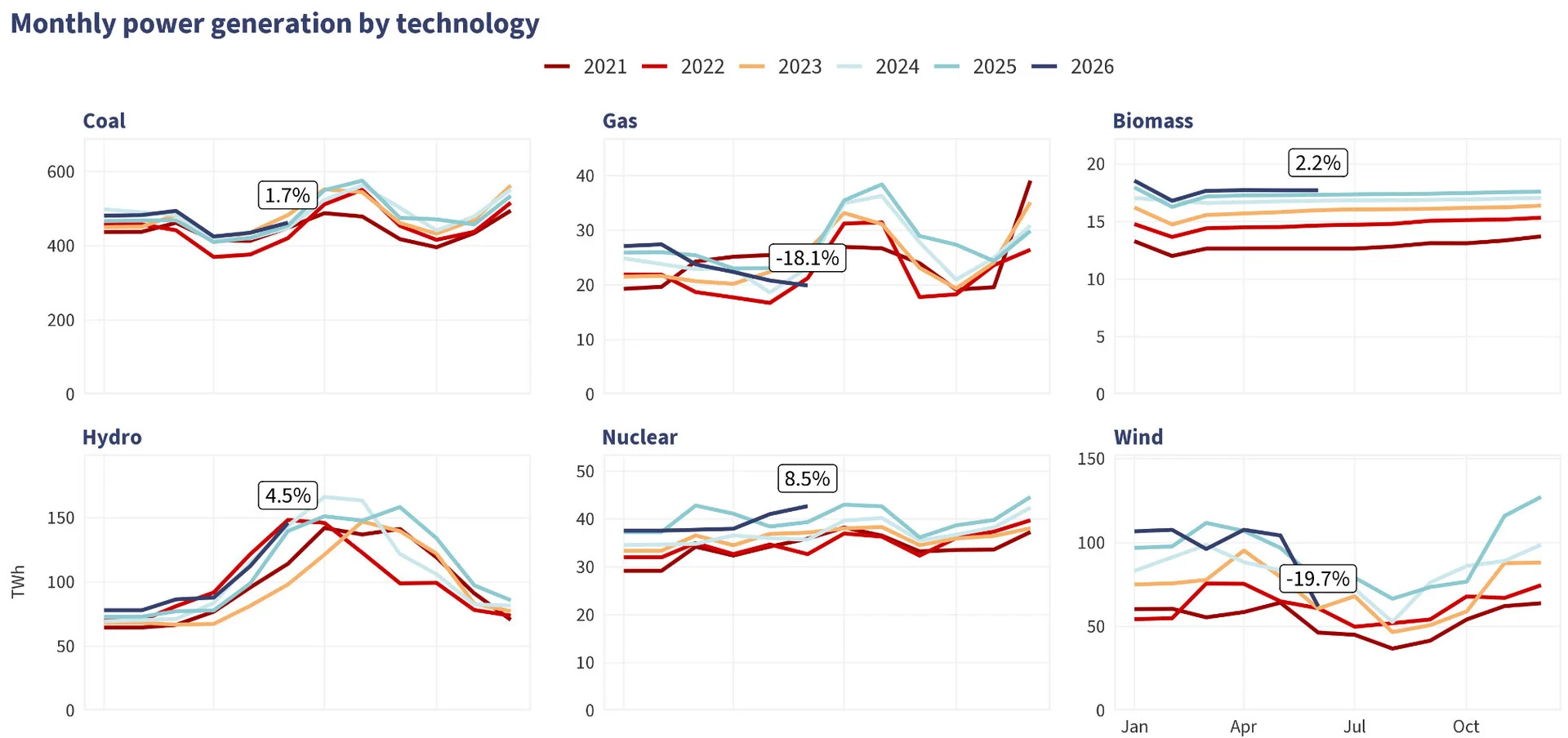
The increase marks the first consecutive months of year-on-year growth in 2026, suggesting that coal demand has moved into a period of sustained, although potentially temporary, strength. The main driver remains the disruption to Arabian Gulf energy supply, which has encouraged several Asian economies to replace lost LNG volumes with coal for power generation.
China remained a major factor in the market. Although Chinese seaborne coal imports were still down 6% year on year in May, they increased month on month to around 30 mt. Seasonal power demand played a role, with higher temperatures in southern provinces increasing cooling needs and encouraging coastal utilities to restock.
Looking ahead, China is expected to import more coal in June than in May, which would go against the usual seasonal trend.
Slower domestic coal production and the expansion of coal gasification are also expected to support import demand.
Japan is showing an even stronger outlook. Coal imports rose 11% year on year in May, and current figures suggest June volumes could be around 60% higher than the same month last year.
Slower nuclear power restarts, more relaxed rules around coal-fired generation and the continued price advantage of coal over Asian LNG are all supporting higher coal flows into the country.
On the supply side, Indonesia remains a key constraint. The country’s coal exports fell sharply in May, continuing a year-to-date pattern of lower shipments. This has added further tightness to the seaborne market, even as demand from Asia strengthens.
Coal flows are expected to remain well supported through Q3 2026, with increased shipments likely from Australia, South Africa and Russia. However, the outlook remains closely tied to LNG market developments. A faster recovery in Arabian Gulf energy flows, or earlier-than-expected US LNG capacity additions, could soften coal demand later in the year.
Source: Signal Ocean