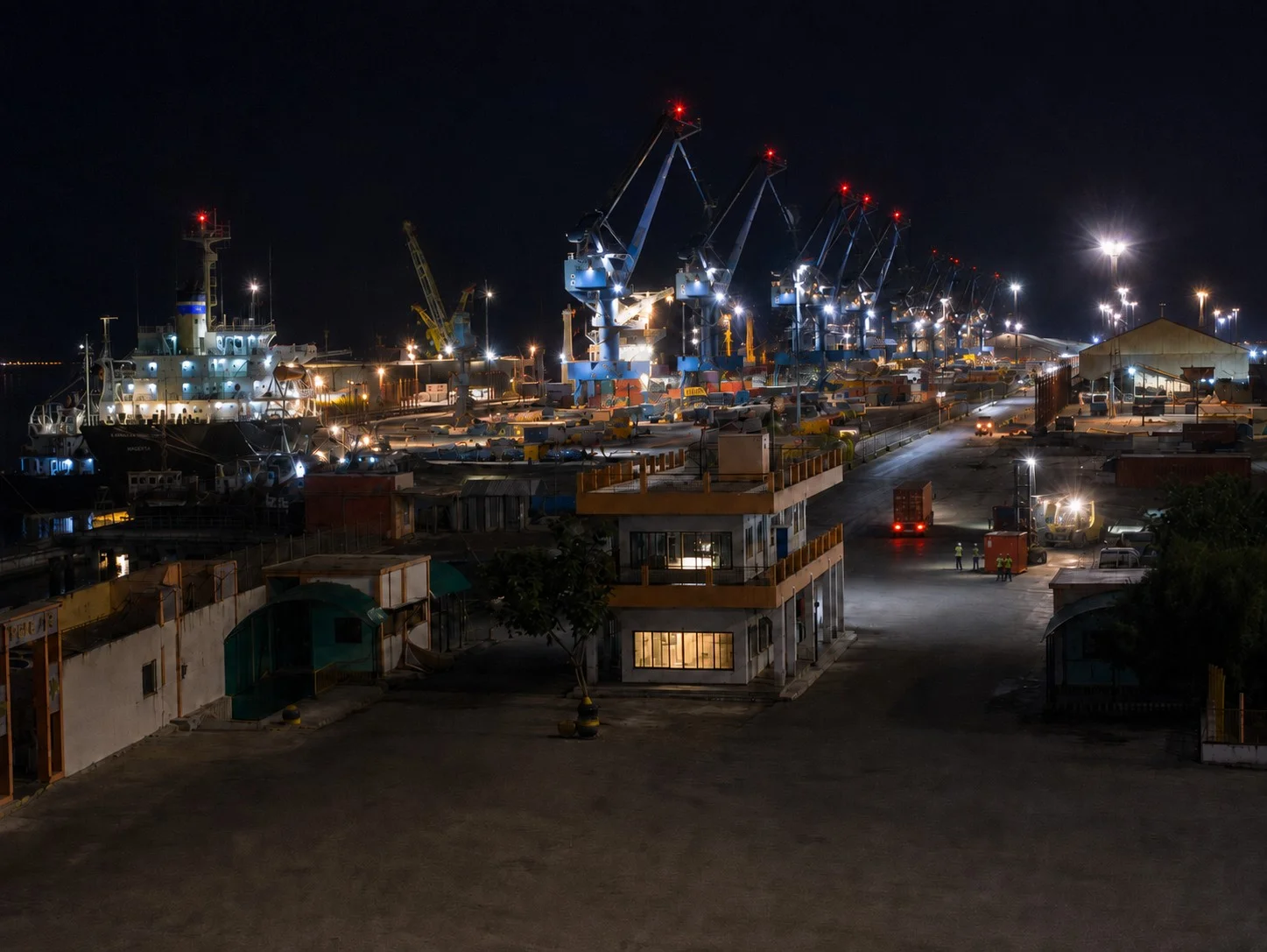
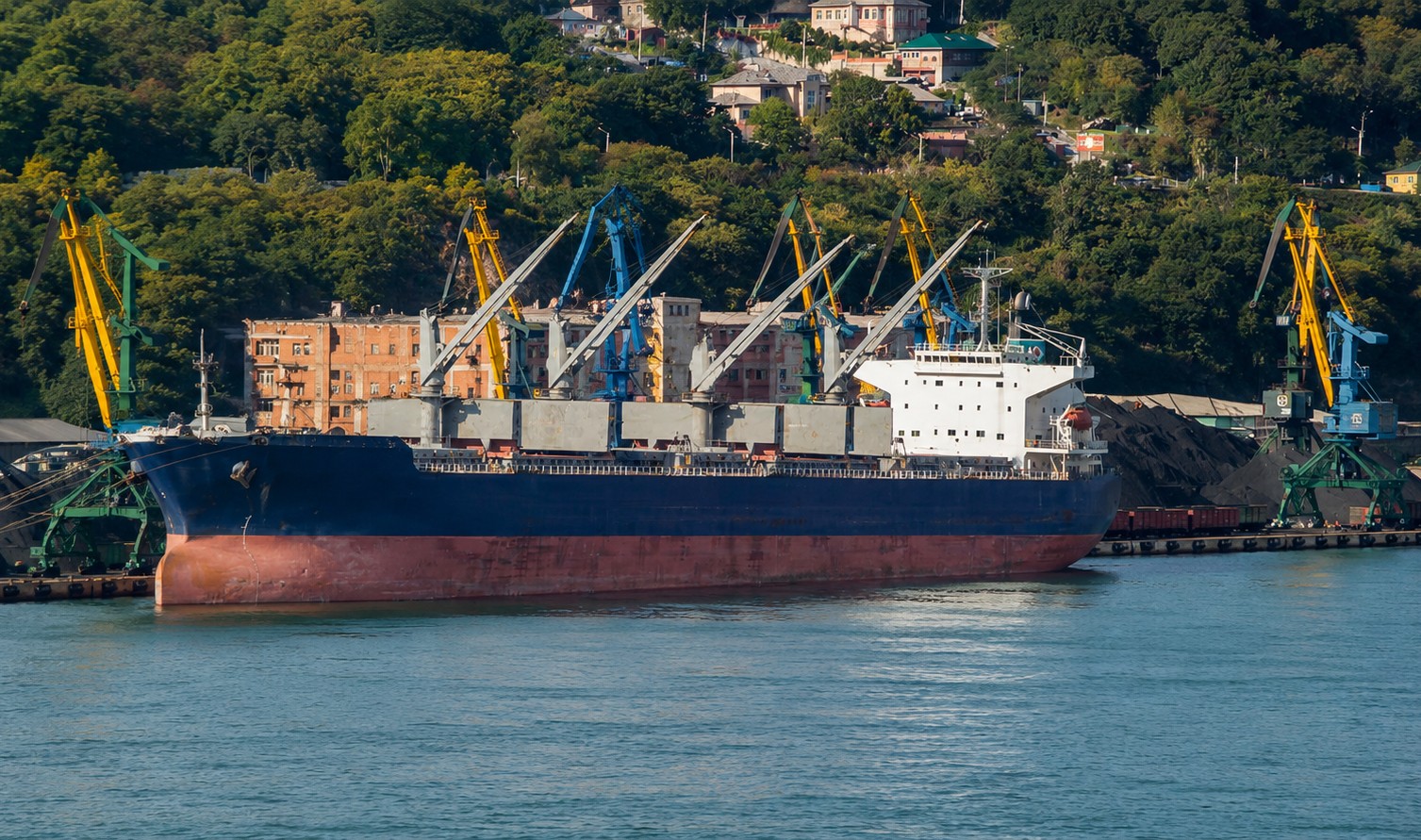
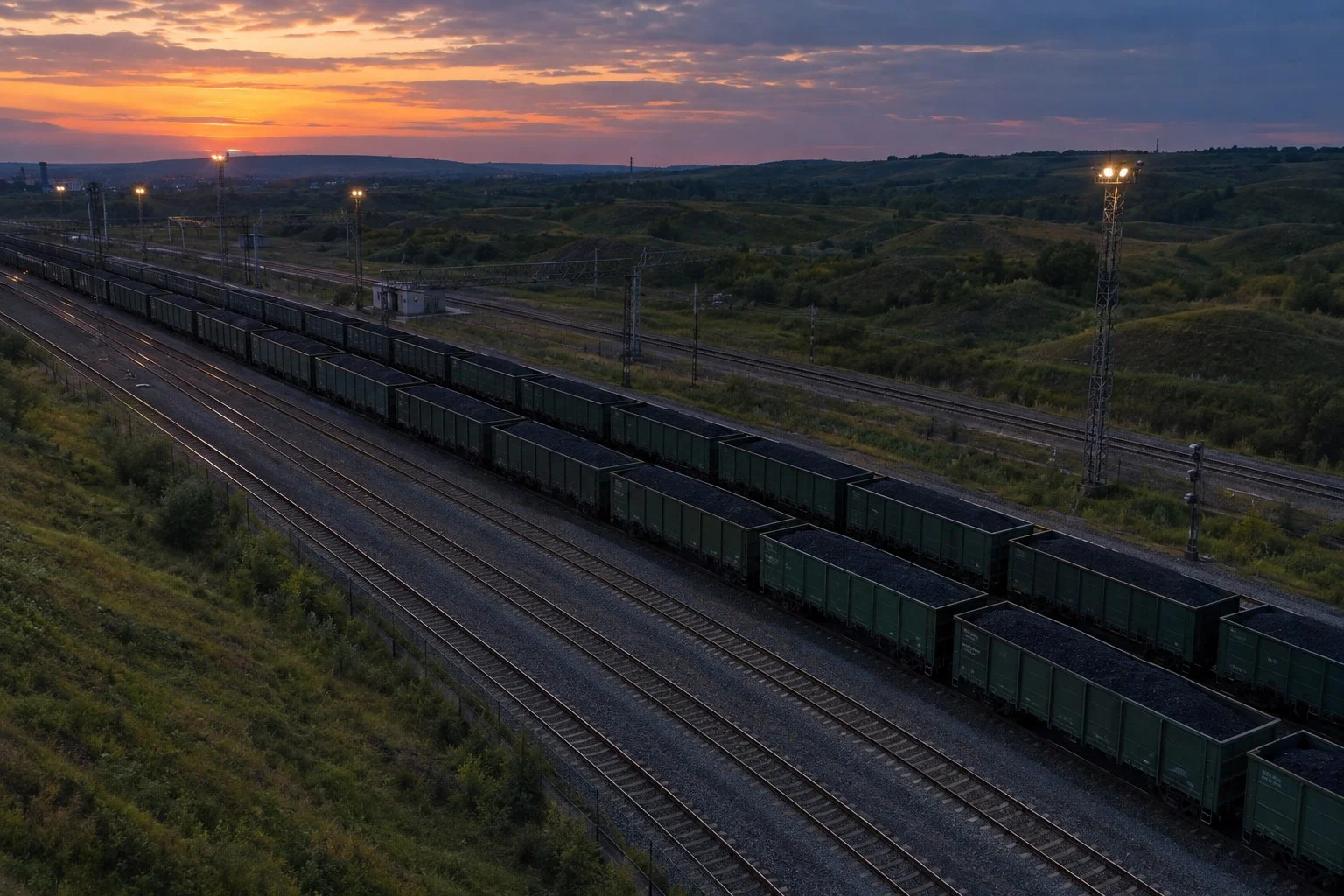
The Russian government has delayed plans to triple capacity at the Murmansk Transport Hub (MTU) due to insufficient freight volumes.
Existing infrastructure, including the newly launched Lavna coal terminal, already operates well below capacity. In 2024, MTU ports throughput totaled just 17.4 mio t of cargo far below the 33.4 mio t rail unloading capacity agreed with Russian Railways (RZD).
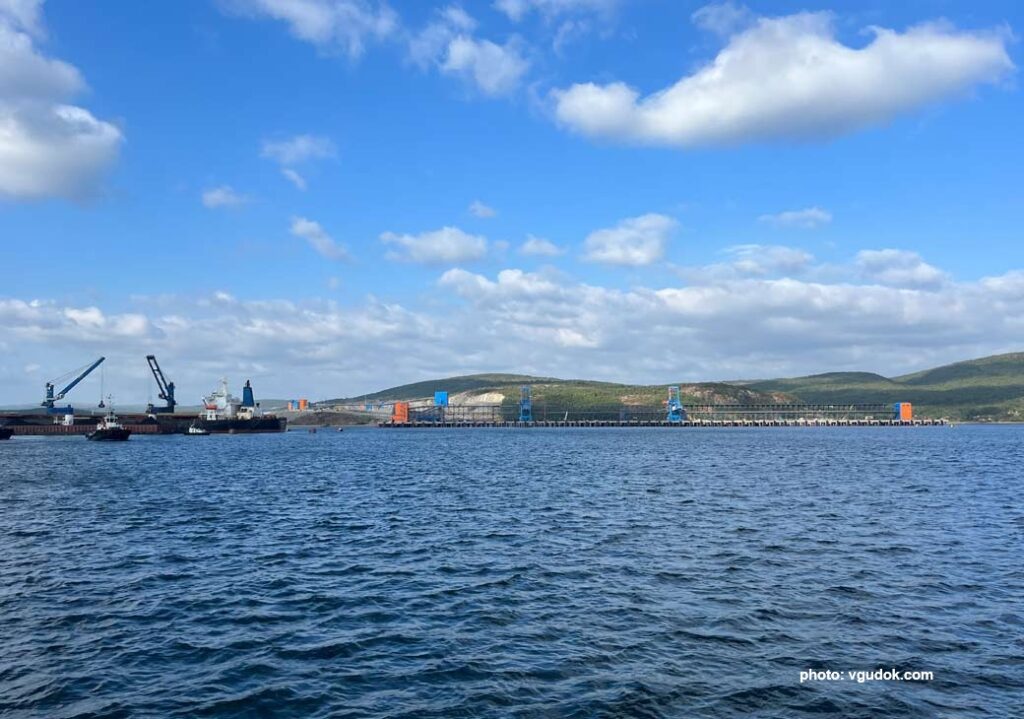
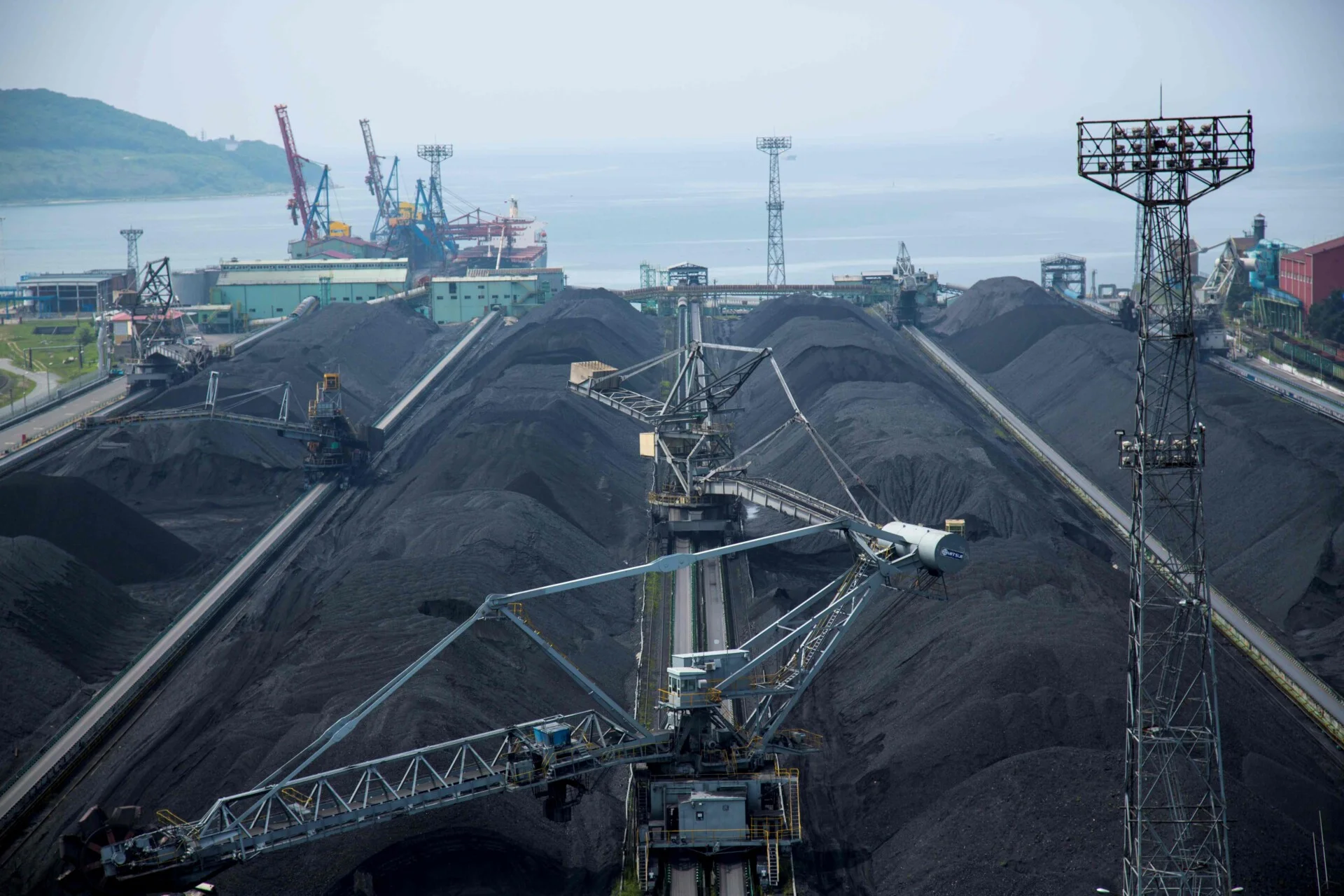
Lavna, officially launched in March 2025 with an annual capacity of 18 mio t, shipped only 600,000 t in its first seven months. The key supplier, Sila Sibiri (a company that acquired assets from the bankrupt Zarechnaya mine in Kuzbass) reportedly exports coal to Turkey. Meanwhile, even existing Northwest coal terminals operated at just 50-60% capacity in 2024, with current global coal prices and logistics costs making exports via the region unprofitable.
Investments in MTU infrastructure, including Lavna and rail upgrades, have already exceeded 1.7 billion USD. Further expansion, estimated at 34 billion USD, is on hold, given uncertain demand and budget constraints. Authorities now prioritize optimizing existing facilities as global coal demand declines.
Lavna’s viability remains in doubt. With underutilized terminals in Ust-Luga and Murmansk, the new facility appears redundant and risks revenue shortfalls and loan defaults.
In 2024 coal transshipment in the ports of Northwest dropped to 56.2 mio t (-6.0 mio t or -9.7% vs. 2023), with Murmansk handling only 12.0 mio t (-2.9 mio t -19.3% y-o-y).
In January-July 2025, the downward trend in coal exports through Northwest terminals persisted, bringing the total throughput down to 28.5 mio t (-7.1 mio t or -20% y-o-y). In the first seven months of 2025, the port of Murmansk cut coal transshipment to 5.8 mio t (-2.3 mio t or -28.5% vs. Jan-Jul 2024).
Source: CCA Analysis