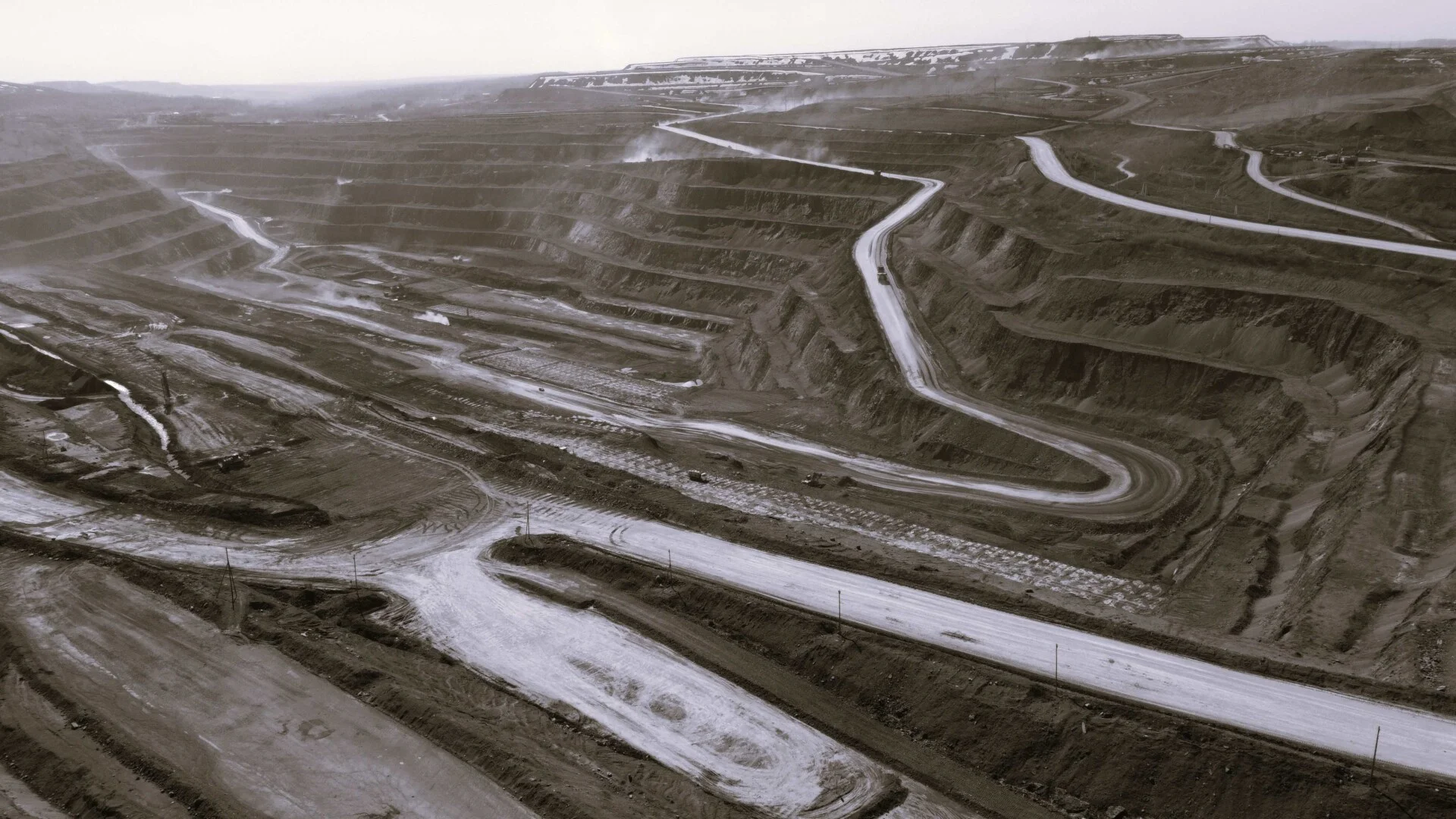
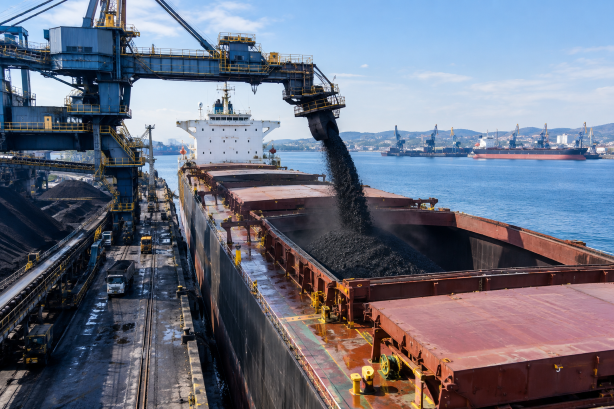
Export volumes from Elgacoal deposits in Yakutia remain severely constrained, due to ongoing logistical challenges at the company’s private port Elga in Chumikan and along its dedicated railway line (Pacific Railway).
The disruption triggered force majeure declarations on contracted volumes and missed deliveries to Asia-Pacific buyers, further tightening the global supply of high-quality coal.
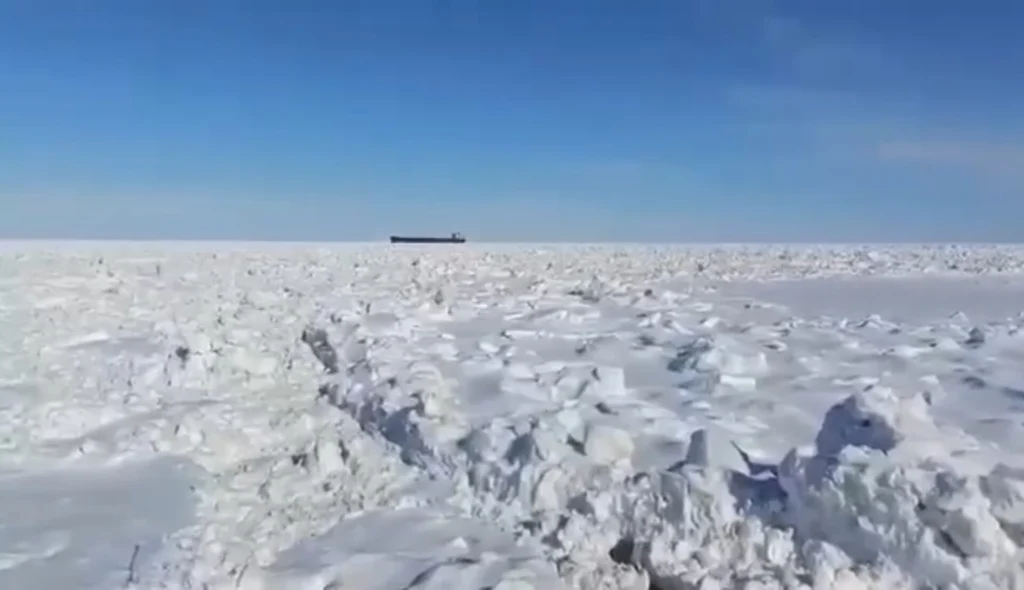
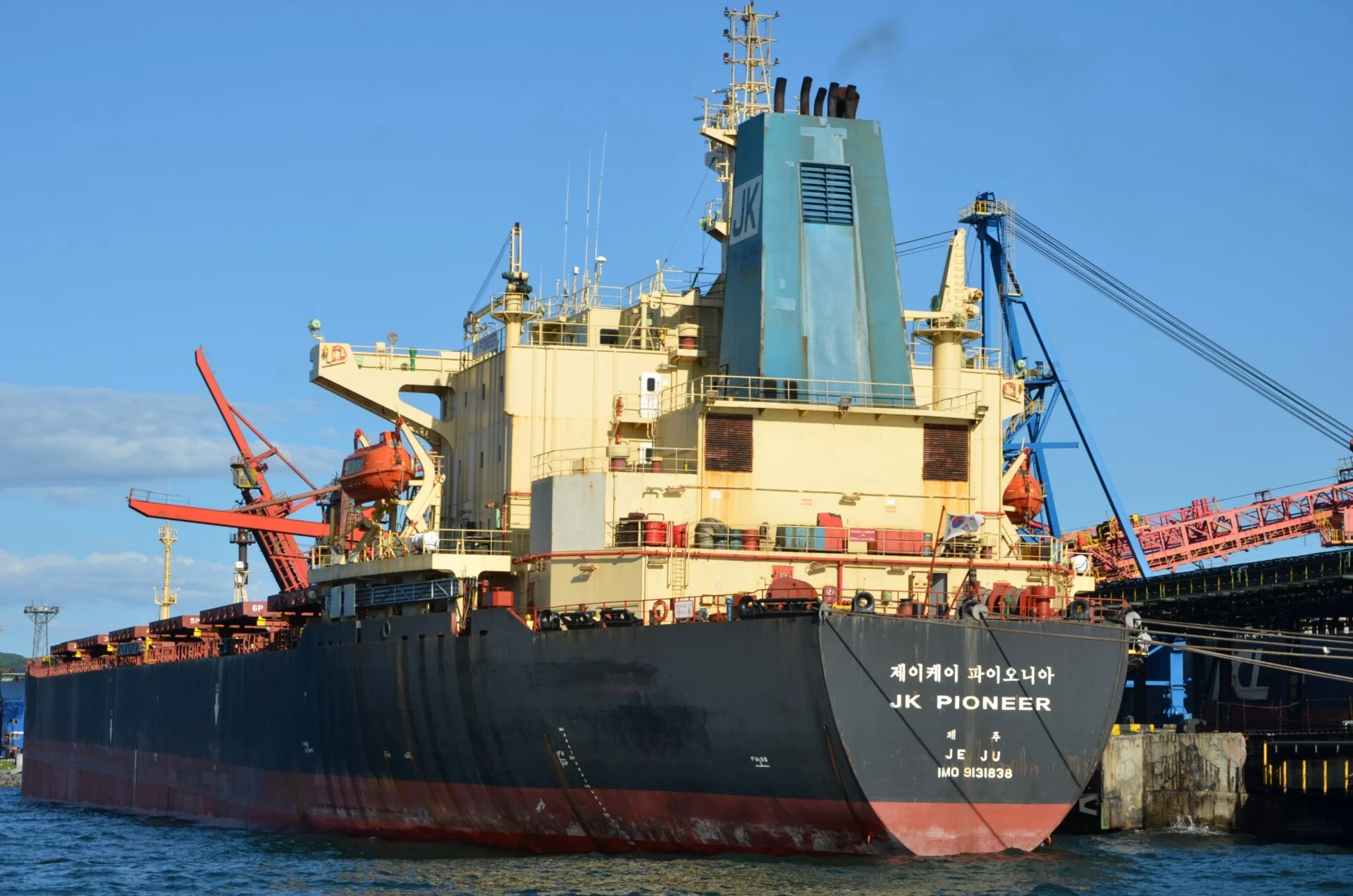
Shipping operations at Elga port are effectively paralyzed for over seven months each year, from mid-November through late June, because of extreme ice conditions. Ice in the bay can reach 1–3 meters thick, while complex currents and wind patterns regularly bring in new ice ridges even after icebreakers pass through. The icebreaking fleet lacks power, and although some ice-class vessels are available, they’re insufficient for steady navigation.
Nuclear icebreakers that could help are tied up with full-time commitments on the Northern Sea Route (NSR).
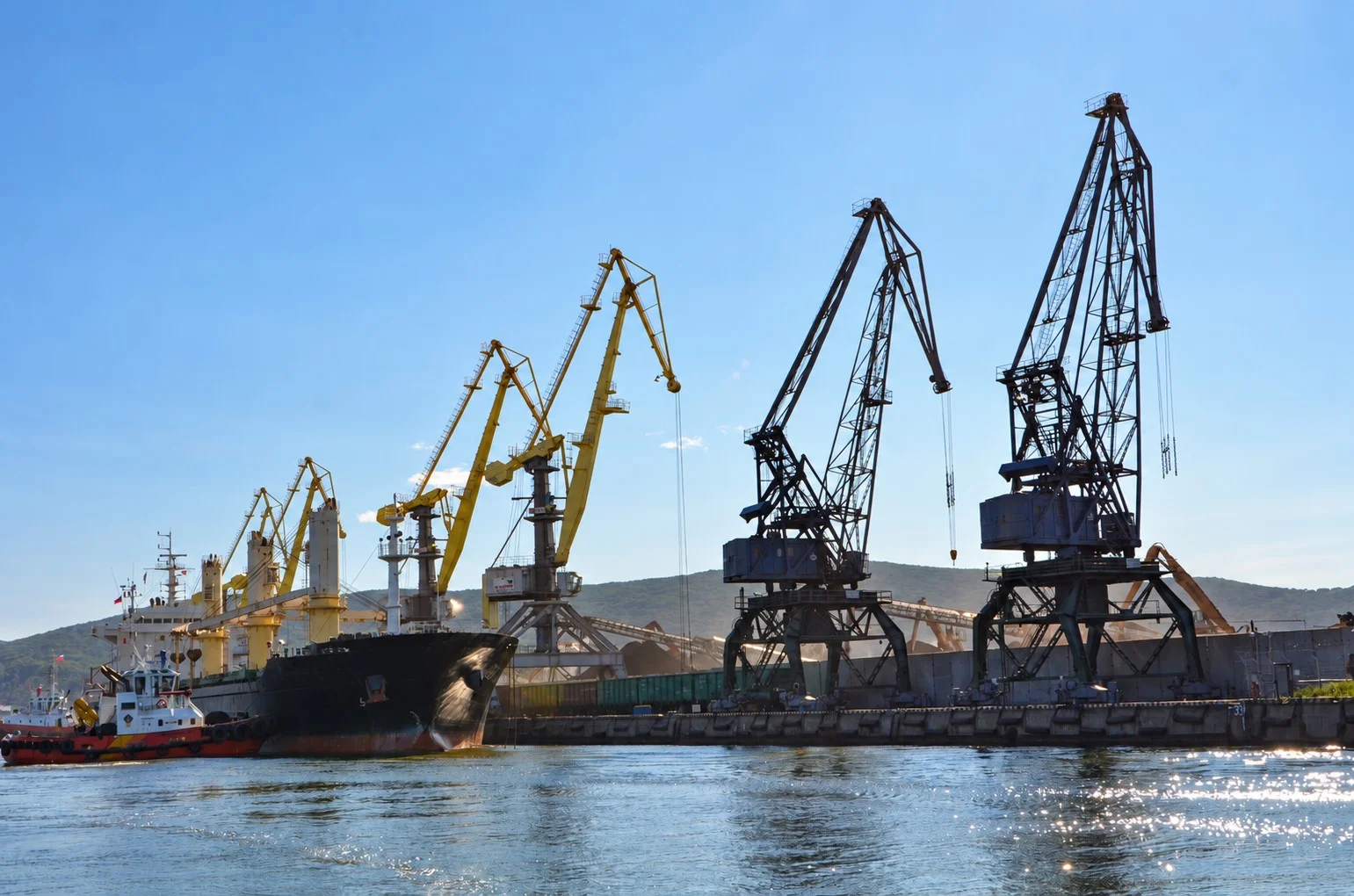
Freight rates from Chumikan to Chinese ports average around 13 USD/t, rising by risk premiums of 4–5 USD/t during winter months. The terminal’s remote location and lack of repair infrastructure deter most shipowners from serving the port.
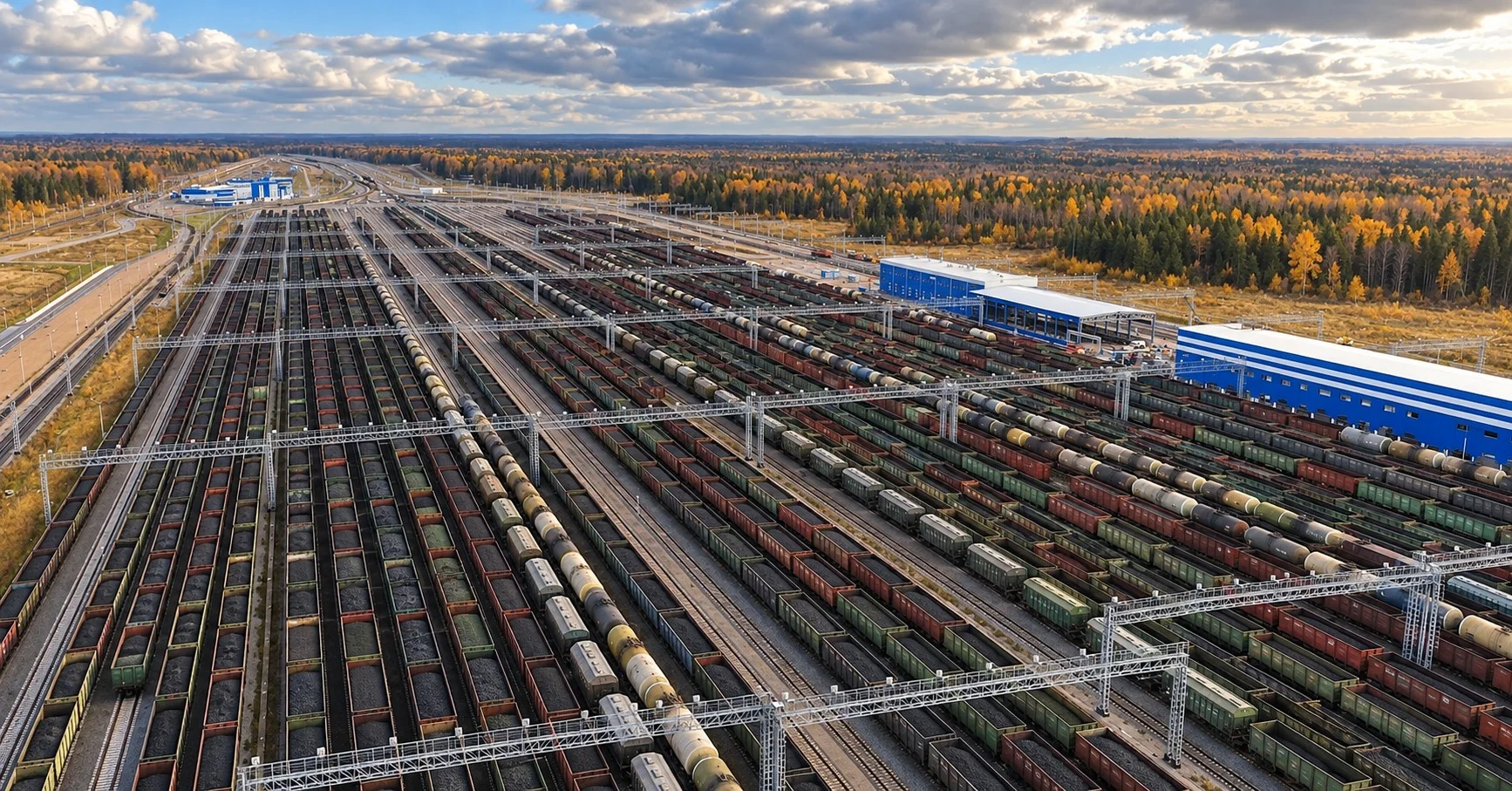
After the ice season ended, port operations remained unstable, resulting from rail traffic interruptions caused by infrastructure damage on the Elga–Chumikan line, following heavy rainfalls.
Thus, shipments through the terminal totaled only 2.3 mio t in H1 2025. Given current restrictions, full-year volumes via Chumikan are estimated at just 4–6 mio t, compared to the initially planned 15–18 mio t. Missed volumes from the private logistics route cannot be redirected through the public rail network, as RZD’s capacity has already been allocated, which means that the specified tonnages are completely lost to the external markets.
The situation also has contributed to significant financial losses. Elgaugol posted a net loss of 288 mio USD in Q1 2025, rising to 525 mio USD in Jan-May 2025, compared to a 95 mio USD profit over the same five-month period in 2024.
Despite the geographical proximity of Yakutia-based mining assets to Far Eastern ports (1,000–1,500 km), unlike Kuzbass (up to 6,500 km), coal companies in the region are also reporting negative financial results. This underscores the deepening systemic crisis in the Russian coal industry, affecting both large producers and regional exporters with optimized transport logistics.
Given the sustainable decline in production and logistical issues, the supply of Russian coal continues to shrink, raising the risk of shortages in the high-quality segment of international markets and leading to a rise in global indices.
Source: CCA Analysis