Russian coal exports are under pressure as heavy ice conditions in the Gulf of Finland disrupt shipments from key Baltic terminals, writes CCA Analysis.
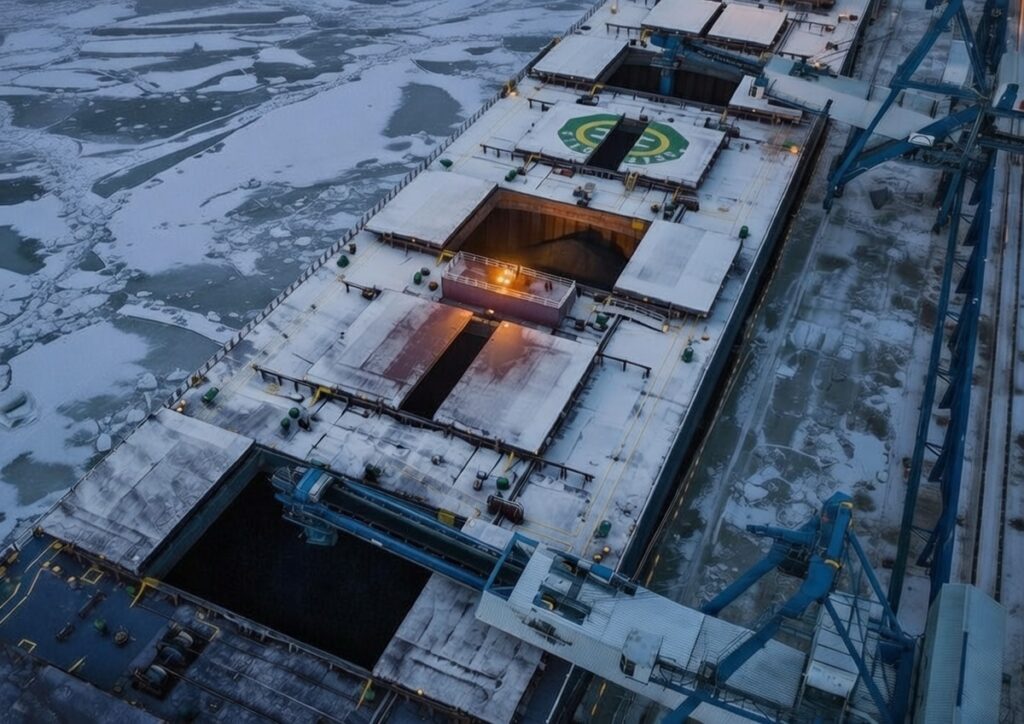
Heavy ice conditions in the Gulf of Finland, combined with regulatory restrictions and a shortage of icebreakers, threaten to potentially halt coal exports via Russia’s largest terminals in the Baltic.
The situation has already caused a drop in shipments and is creating preconditions for a price increase on global markets.
Since February 19, strict restrictions have been imposed at the ports of Ust-Luga and St. Petersburg: vessels without ice reinforcement are not permitted to navigate, while others may only enter under individual icebreaker escort.
According to the Ministry of Transport, ice thickness has already reached 30-50 cm, a level comparable to conditions not seen in over 15 years.
The situation is exacerbated by the requirement for mandatory underwater inspection of vessels’ hulls — in conditions of solid ice, this is physically impossible, and waiting for inspection increases exporters’ costs by up to 1.5 USD/t.
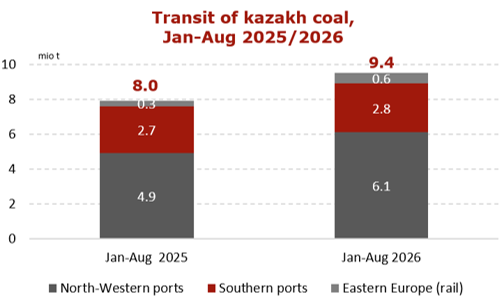
At risk are both supplies of Russian coal to Turkey and India (key destinations from Ust-Luga) as well as transit flows from Kazakhstan to Europe.
As a result, export shipments have collapsed. In January coal exports from Ust-Luga fell by 8% to 2.9 mio t.
If the situation persists, coal flows will have to be redirected to Taman. The Ministry of Transport is urgently moving icebreakers from Murmansk and has requested a nuclear-powered icebreaker from Rosatom.
However, even the temporary nature of the restrictions creates conditions for a supply shortage in the market and will inevitably lead to higher prices for end consumers in Turkey, India, and Europe.
Source: CCA