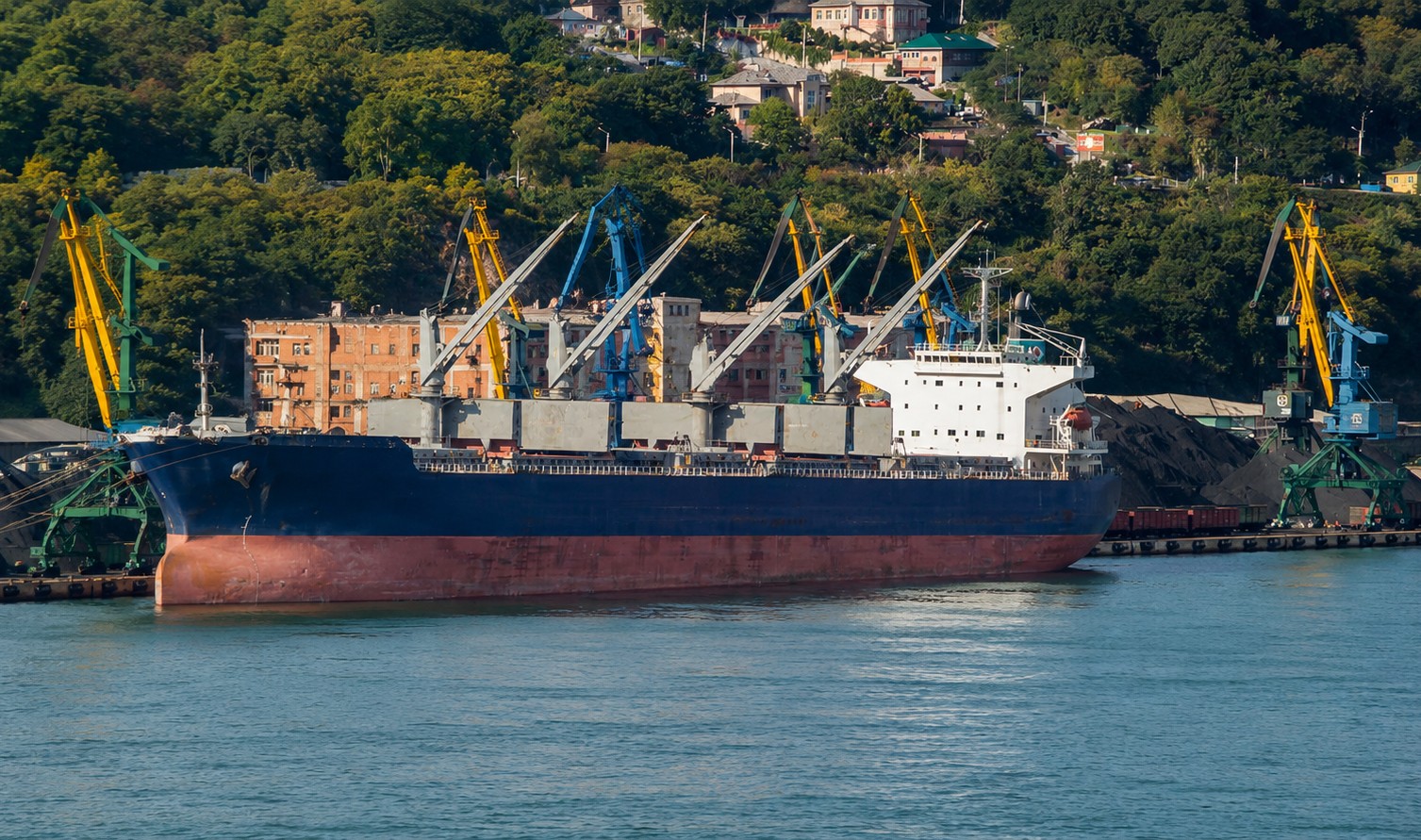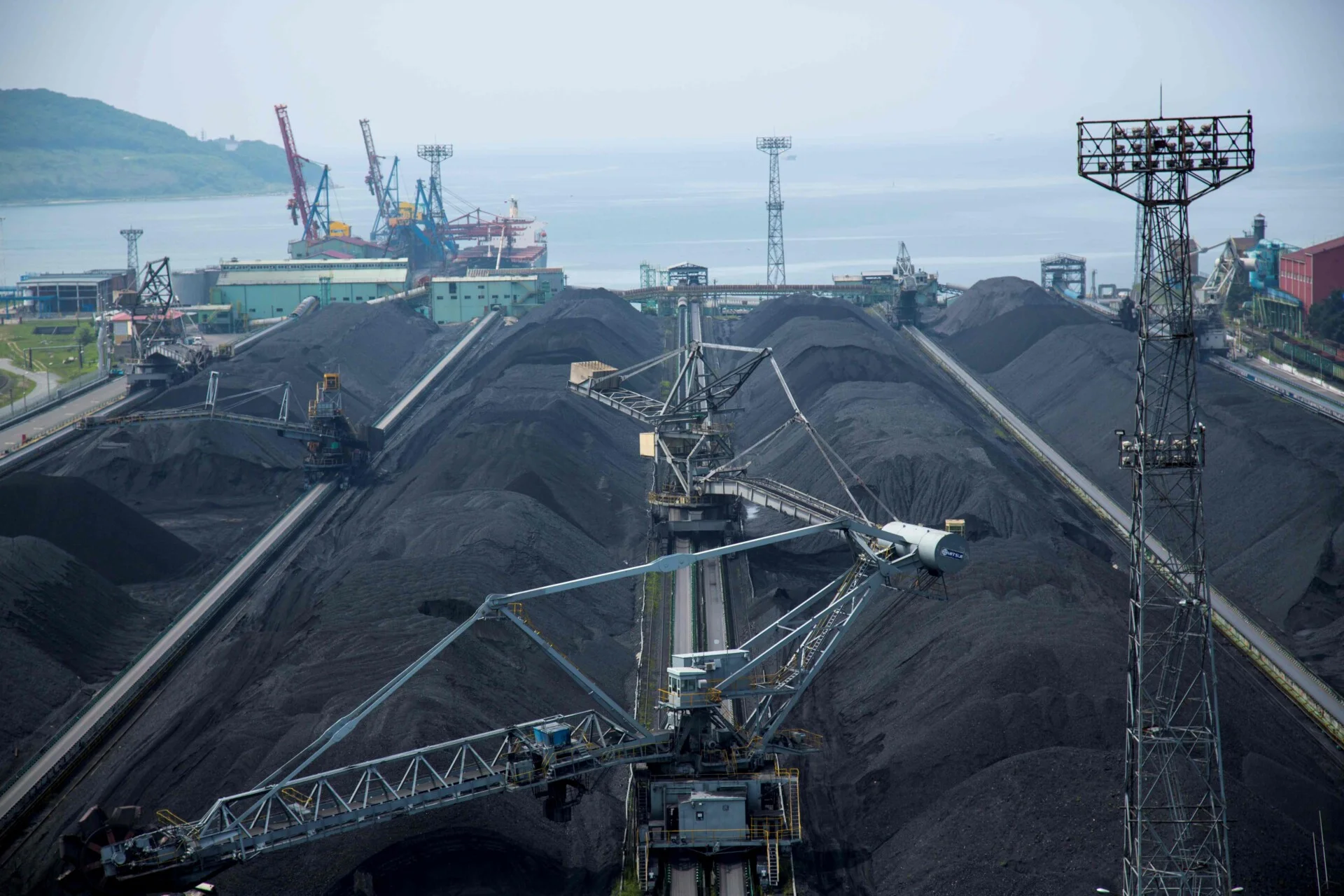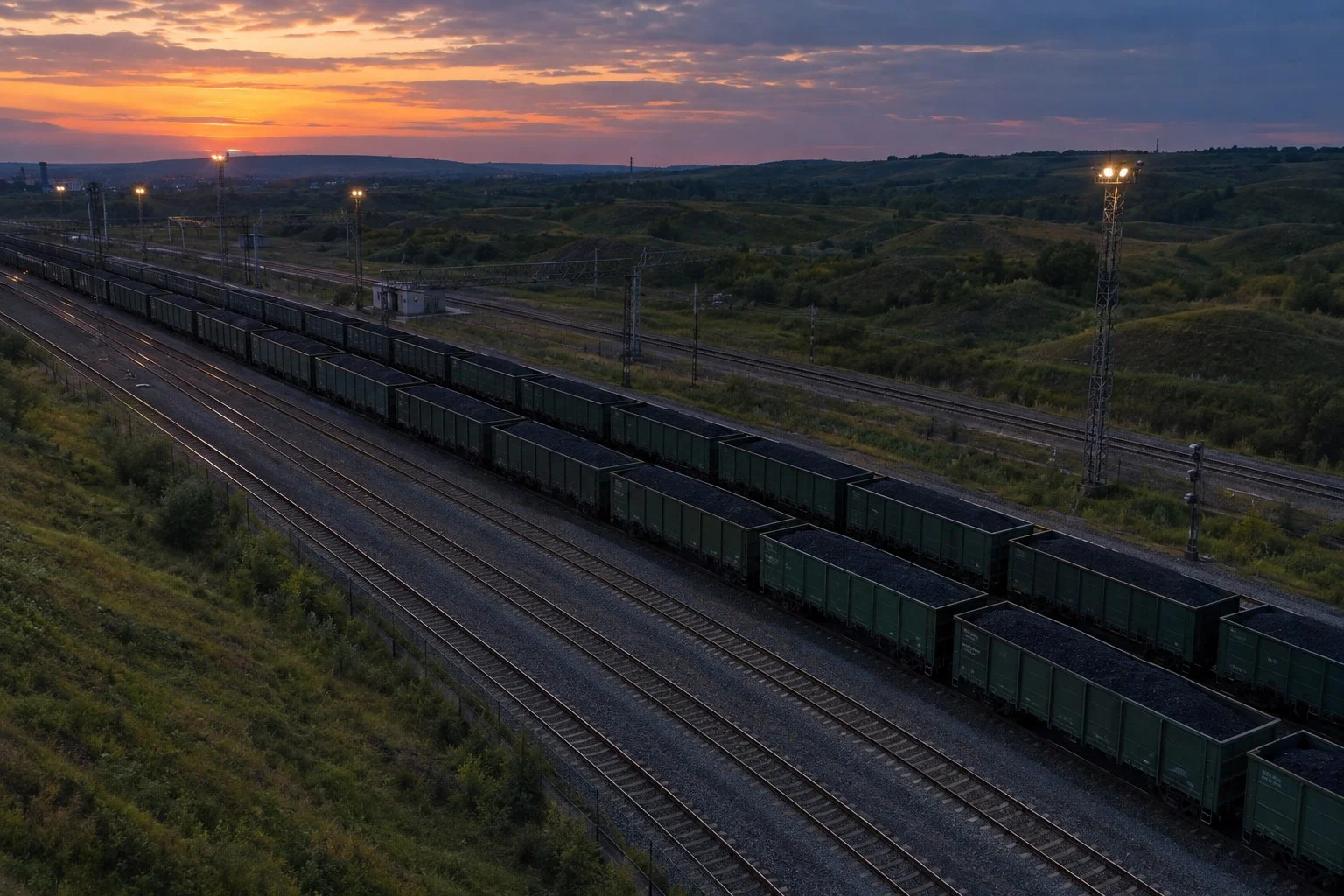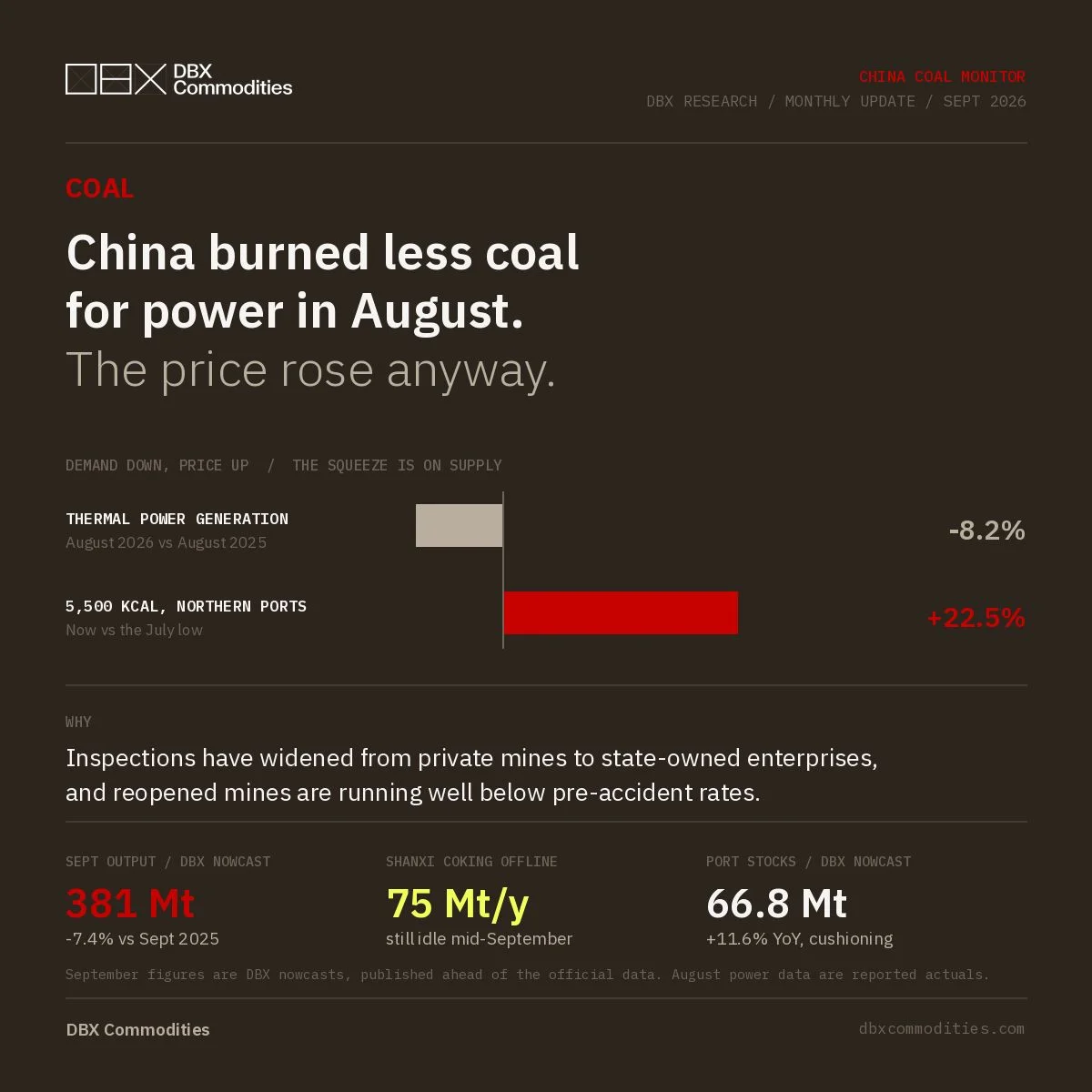


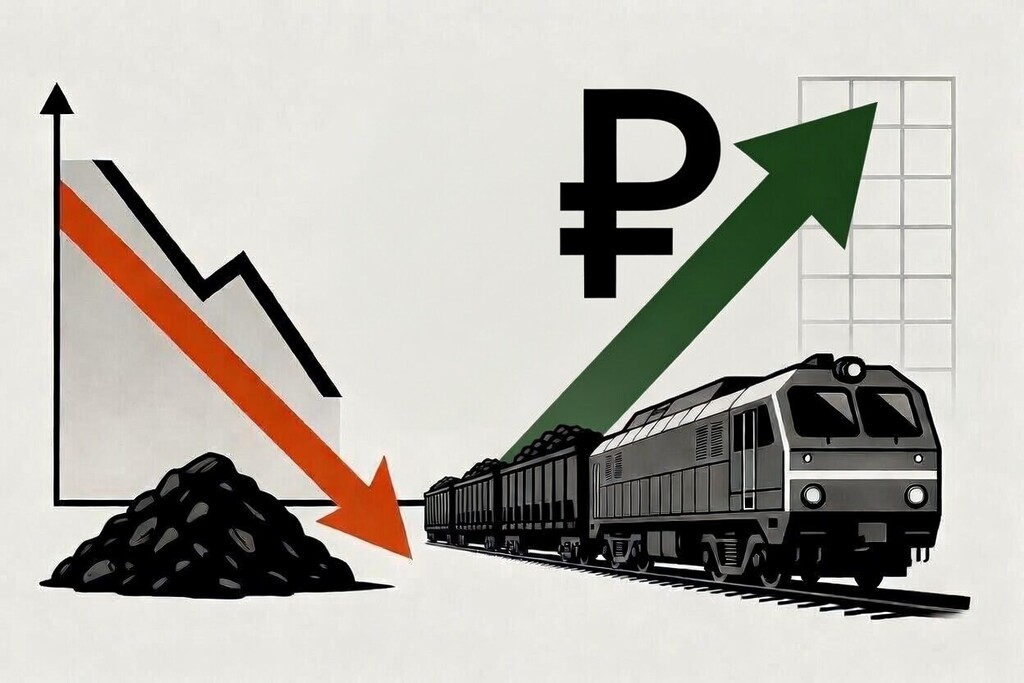
The sharp rise in global coal prices, triggered by the Iran-U.S. conflict failed to lift Russian coal exports into profitable territory, as the positive effect was wiped out by the strengthening ruble and annually rising RZD’s railway tariffs, as well as higher freight rates (due to the situation in the Persian Gulf), increased production costs, and other logistics expenses.
Given these circumstances, exports of thermal coal from Kuzbass are unprofitable on all routes, including to the Far East.
Since 2024, the Russian ruble has appreciated by 17%, and considering the exchange rate dynamics in May 2026, when it reached 71.37 RUR/USD (as of May 29, 2026), the appreciation amounted to 23% (the 2024 level is taken as 100%). Such dynamics have an extremely adverse effect on Russian coal companies on the back of rising production costs and increased expenses for rail transportation of coal.
Average annual ruble-to-dollar exchange rates for 2024–2026, RUR/USD

Even with higher global prices, the strong ruble and rising domestic rail tariffs have put the industry on the brink of bankruptcy.
Coal producers continue to bear fixed costs for mining, maintenance and wages. Idling production would often result in even larger losses than exporting at a loss.
Russian Ministry of energy has warned that the sector’s losses could reach 8.1 billion USD in 2026 if current negative trends persist.
Industry representatives have been calling for a reduction in RZD’s rail tariffs, which they say have become a critical factor, artificially inflating costs.
For Russian coal exports to become profitable, it is necessary not only for the ruble to weaken and global prices to rise, but, above all, for Russian Railways to lower its tariffs.
Source: CCA