Russian coal faces mounting pressure as refinery disruptions, diesel supply risks and rising fuel costs add another challenge to an industry already struggling with falling output, higher logistics costs and weak profitability.
Russia’s oil products market continued to face pressure in 2025–2026, caused by the aftermath of damage to refining facilities from Ukrainian drone attacks and unscheduled maintenance. Diesel production in Russia stood at 81.6 mio t in 2024, down 7.4% year-on-year, according to the energy ministry.
In 2025, diesel output fell a further 1.4% to 84.5 mio t. In April-May 2026, the decline in diesel production accelerated, with output down 10% year-on-year in April and 10% in May, amid unscheduled refinery maintenance, Reuters data showed on May 29, 2026.
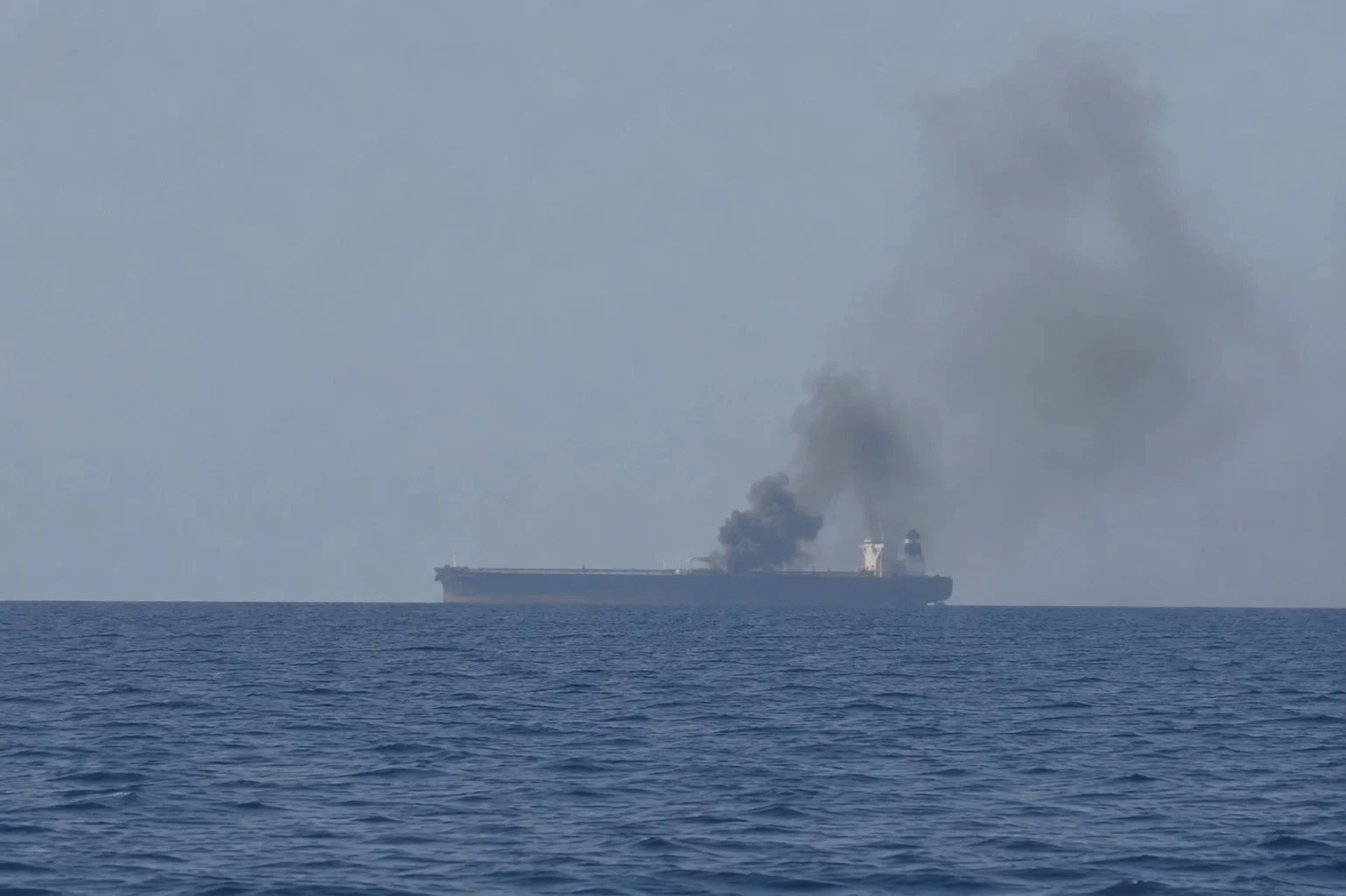
The most notable deterioration occurred in May 2026. According to Reuters data, drone attacks led to full or partial shutdowns at a number of large refineries in central Russia: Kirishinefteorgsintez, Moscow refinery, Lukoil-Nizhegorodnefteorgsintez, Ryazan refinery and Slavneft-YANOS.
The combined capacity of these facilities exceeds 83 mio t of crude oil per year, which represents approximately a quarter of Russia’s total refining capacity. These plants account for about 25% of domestic diesel production and more than 30% of gasoline output, Reuters reported on May 20, 2026.
Since the government’s priority is to ensure domestic supply and socially significant sectors, primarily agriculture during the harvest campaign, industrial consumers, including coal mining enterprises, risk being left without the necessary volumes of fuel under these conditions.
Should the diesel shortfall be covered through imports, oil product terminals would need to be reoriented from exports to imports, requiring a logistics reconfiguration that could take anywhere from several months to several years. Replacing domestic diesel with imported fuel would drive up costs for end-users due to more expensive fuel, as the final price would include port transshipment, freight, rail tariffs and other related logistics and customs expenses.
Given the current situation in the diesel fuel market, the Russian coal industry, which is already in deep systemic crisis, faces an additional challenge. Losses of Russian coal companies in 2025 were 3.5 times higher than in 2024. The share of loss-making companies reached 70%, up from 50% a year earlier.
In Q1 2026, the net loss kept growing, hitting 1.1 billion USD (+20%, vs. Q1 2025). Sixty-two enterprises are in the red; of which 20 have already halted production, while the rest are on the verge of suspension. Meanwhile, the Ministry of Energy forecasts that losses of Russian coal companies will increase by one and a half times in 2026.
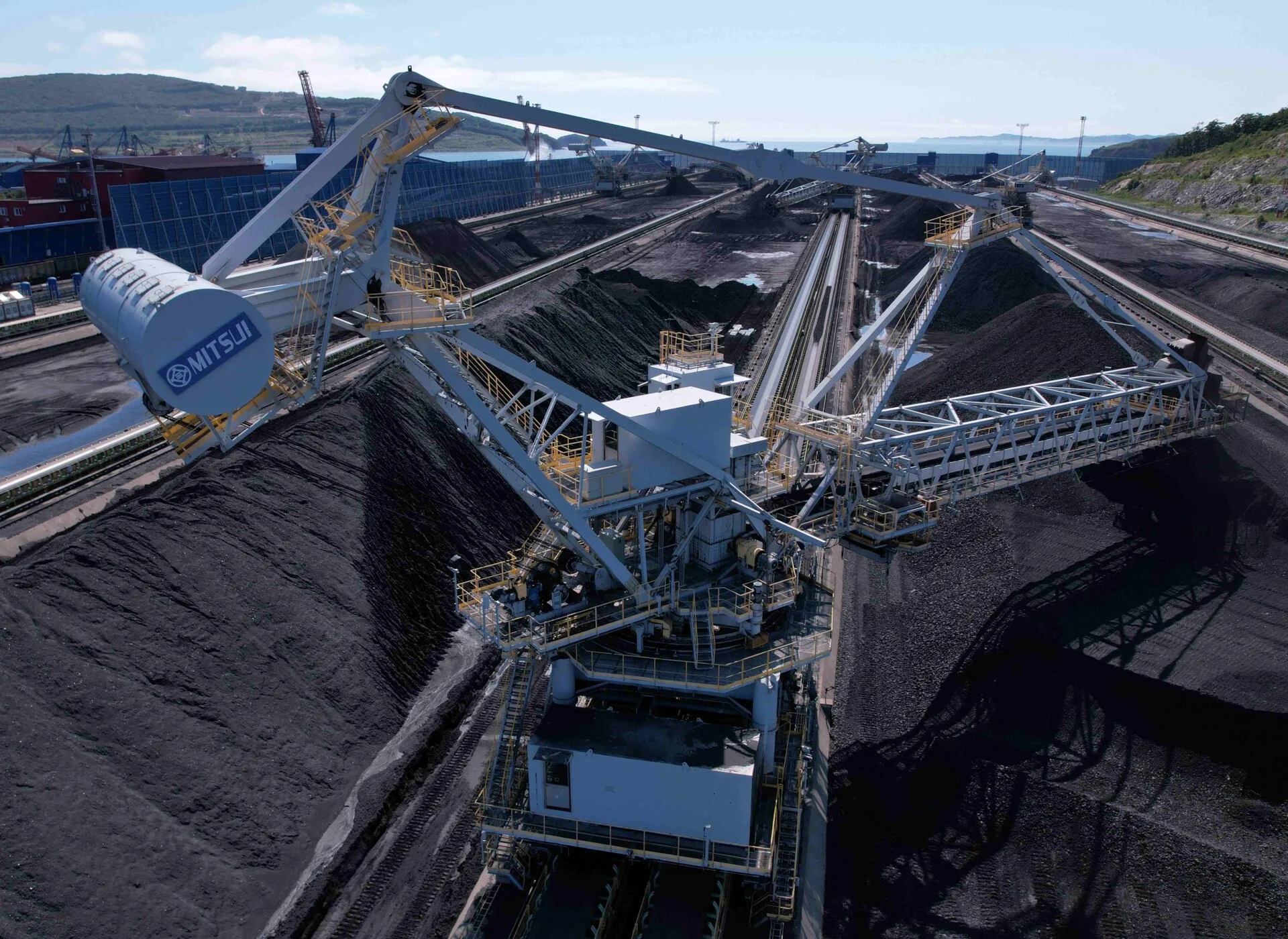
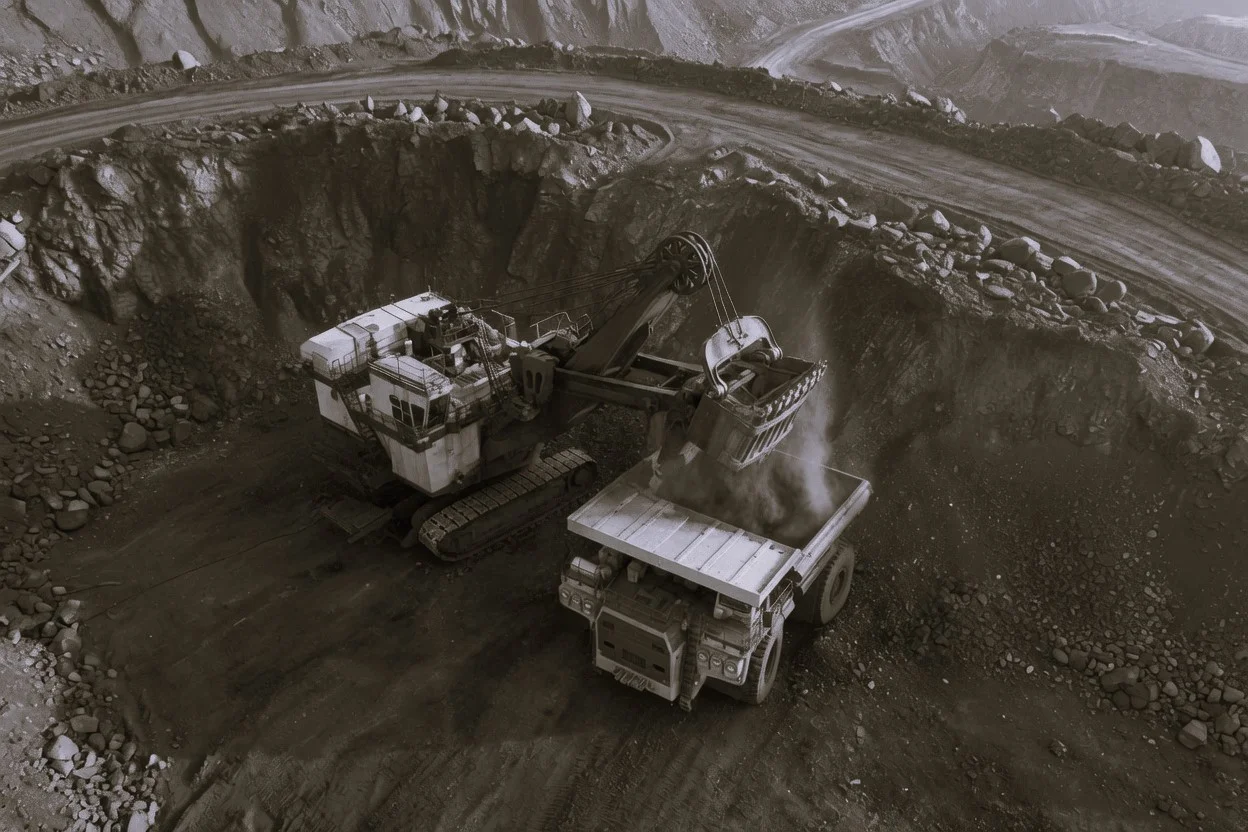
In this context, the risks of diesel supply restrictions or price increases are becoming particularly critical. A significant portion of Russian coal is extracted through open-pit mining. Large-capacity haul trucks, excavators, drilling rigs and auxiliary equipment consume substantial volumes of diesel fuel.
Fuel costs traditionally account for a significant share of operating expenses at mining enterprises, especially at remote deposits with large equipment fleets. According to industry data, fuel costs account for an estimated 20–35% of total expenses at open-pit coal mines.
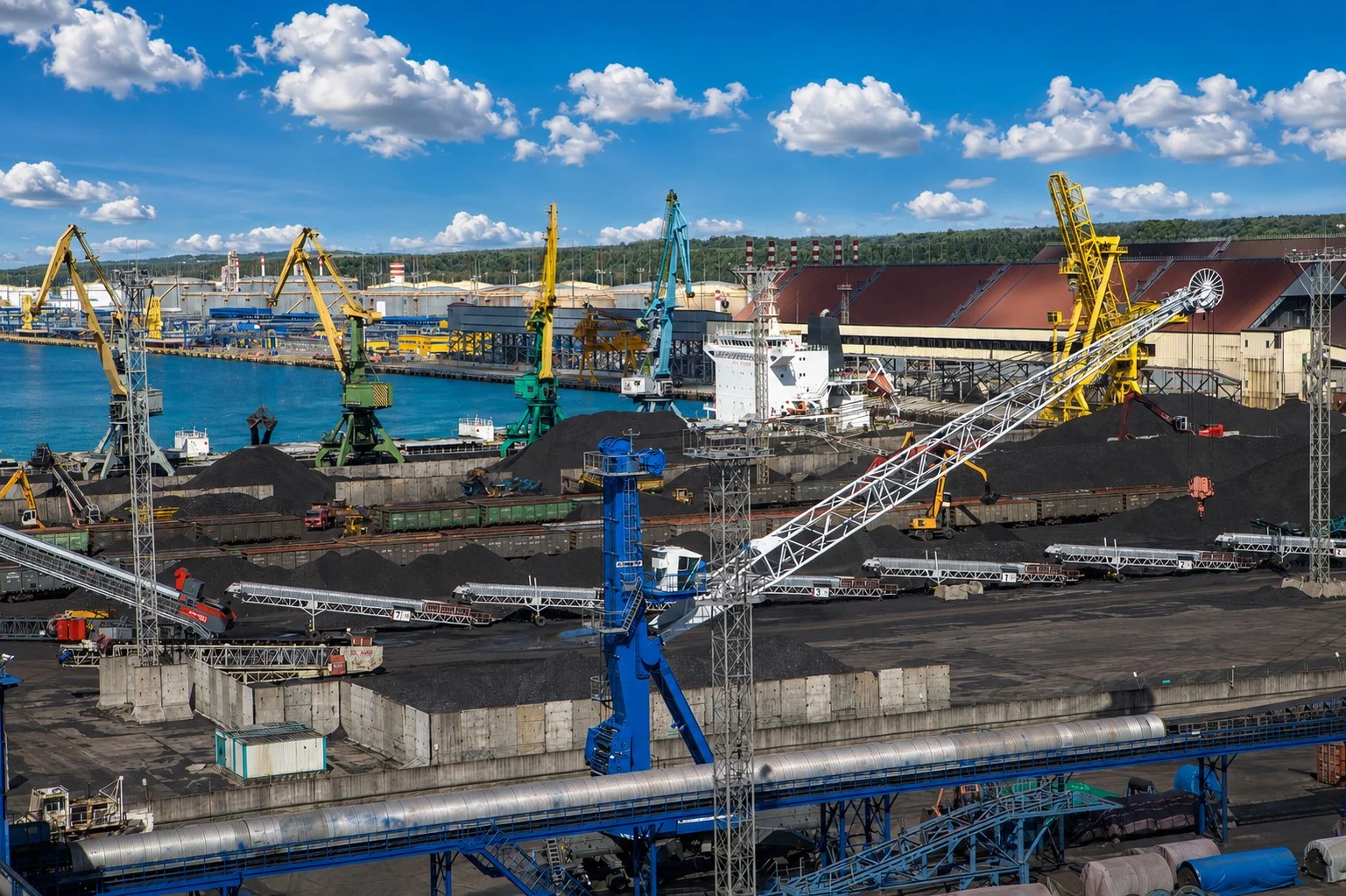
Furthermore, part of Russian Railways’ (RZD) locomotive fleet runs on diesel traction, particularly on non-electrified sections and during shunting operations. A stable supply of fuel under these conditions is also crucial for ensuring coal exports.
Additional pressure comes from the reliance on imported equipment. A large part of the machinery and equipment at coal enterprises is of European and American origin. Under current sanctions, replacing aging European- and American-made equipment is practically impossible in the foreseeable future, and securing spare parts and components in a timely manner is extremely difficult. This leads to a steady increase in downtime and substantially higher costs for maintaining equipment operability.
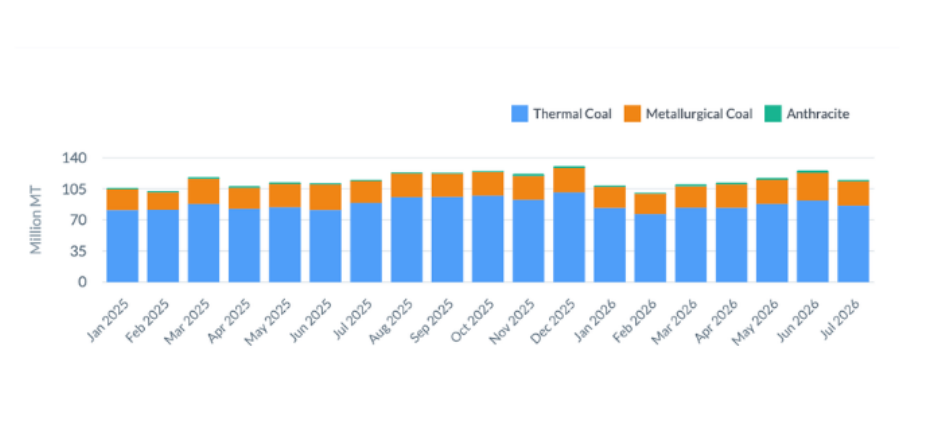
Taken together, these circumstances create real preconditions for a further decline in Russian coal production and exports. In Q1 2026, Russian coal output fell 4% year-on-year, or by 8 mio t. While the industry, already losing hundreds of billions of roubles, is balancing on the edge of survival due to rising RZD tariffs, a strengthening rouble and low global prices, any increase in diesel costs or supply shortages threatens to further worsen financial performance, making coal production even more unprofitable.
Thus, the fuel crisis in the country is turning into an additional serious systemic factor that could constrain the export potential of Russian coal suppliers.
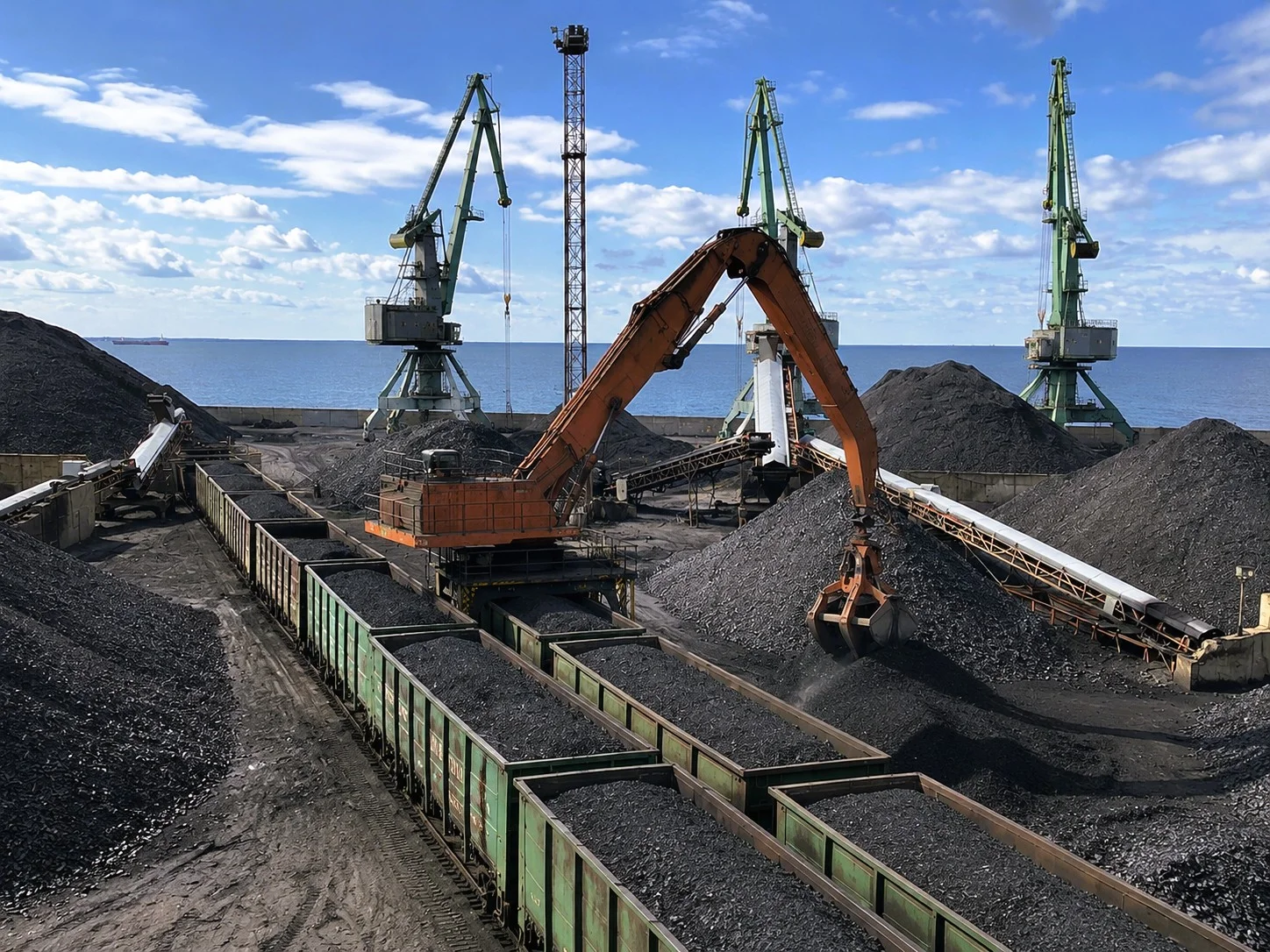
Should current trends in the fuel market persist, this could lead to a noticeable reduction in Russian coal exports. A decline in shipments from Russia, combined with steady demand from China, India, Turkey and other Asian consumers, would contribute to a shortage of high-quality coal on the global market and set the stage for further price hikes.
Source: CCA