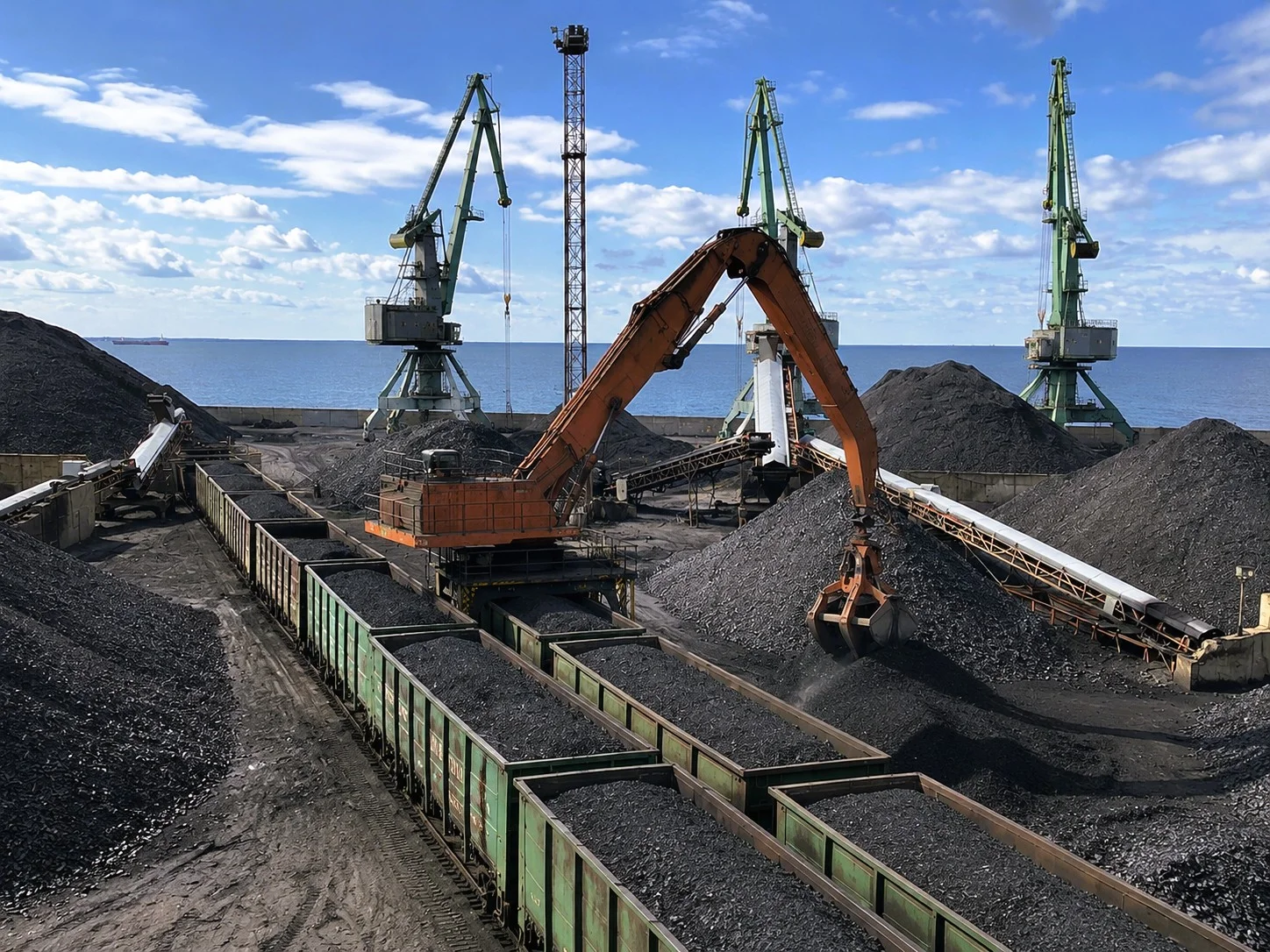
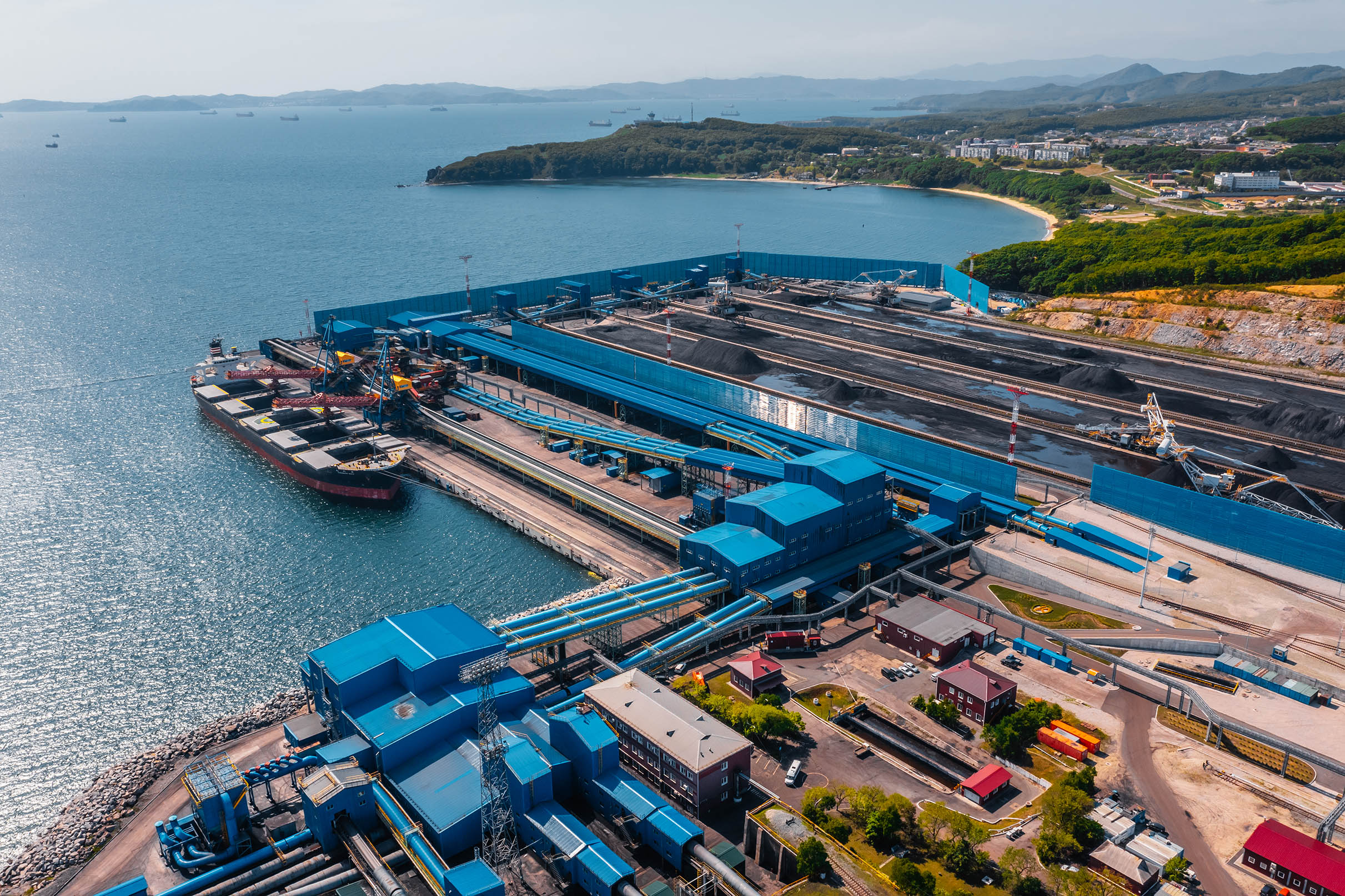
Russian coal exports through northwest and southern ports face further pressure after the government rejected additional railway tariff incentives.
Russian coal industry, which is going through a protracted systemic crisis, has lost one of the key support measures it had been counting on to stabilize export flows. In late June, Deputy Prime Minister Vitaly Savelyev said it was not feasible to introduce additional incentives for coal export shipments via the northwest and southern ports.
The decision caught market participants off guard, since in May 2025 the President of Russia backed a package of initiatives to rescue the coal industry, which included a 12.8% discount from state railway monopoly RZD on export coal shipments in the aforementioned directions, as well as the reinstatement of reduced distance coefficients and coefficients for thermal coal.
The carrier’s lost revenue was to be compensated from the budget, but as early as May the Transport Ministry informed the Energy Ministry that the economics of shipments in these directions were viable even without discounts. Industry players disagree: exports via the northwest and southern ports remain loss-making, and without tariff preferences shipments continue to be economically unviable.
The government attributed the decision not to introduce incentives to a lack of capacity reserves on the southern route, lower demand in the northwest following EU sanctions, as well as the Energy Ministry’s failure to provide forecasts for additional external demand that would justify new measures. However, market participants see it differently.
In a letter to the Energy Ministry, the Murmansk Commercial Sea Port linked the decline in cargo handling at Arctic basin ports not to market conditions, but to a 2.25-fold increase in RZD tariffs, which, in the port operator’s words, ‘exceeded all conceivable forecasts.’ The reinstatement of discounts, in the port operators’ view, would redirect coal flows back to Arctic ports, ease pressure on the Eastern railway corridor and free up its capacity. The Taman terminal is also ready to ramp up transshipment volumes.
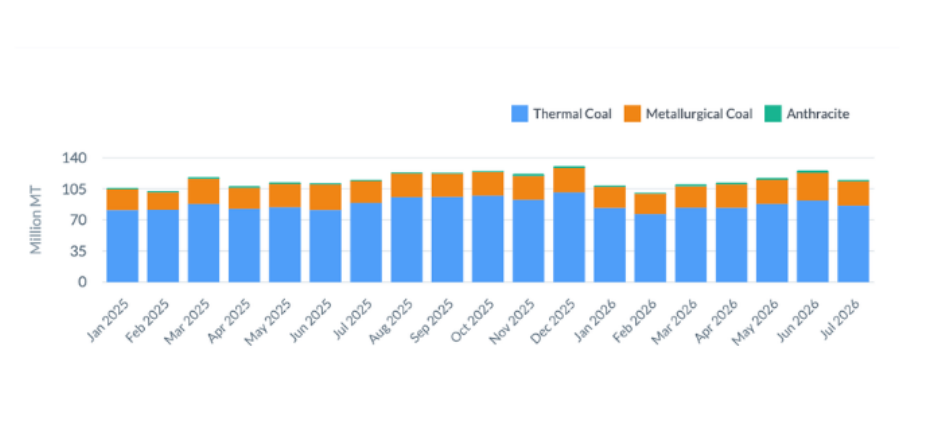
The coal industry estimates that a 25% discount on RZD tariffs would boost shipments to ports in the Leningrad and Murmansk regions by 20%. Market participants also note that the lack of capacity on approaches to southern ports is due to underinvestment in infrastructure rather than passenger traffic. The dynamics of rail exports underscore the problems: in 2025, coal shipments to the northwest fell to 46.6 mio t (-8.0 mio t or -14.7% vs. 2024).
Losses of Russian coal companies in 2025 were 3.5 times higher than in 2024. The share of loss-making companies reached 70%, up from 50% a year earlier. In Q1 2026, the net loss kept growing, hitting 1.1 billion USD (+20%, vs. Q1 2025). Sixty-two enterprises are in the red; of which 20 have already halted production, while the rest are on the verge of suspension. Meanwhile, the Ministry of Energy forecasts that losses of Russian coal companies will increase by one and a half times in 2026.
Thus, the decision not to introduce incentives for shipments via the northwest and southern terminals exacerbates the situation of coal companies operating with negative margins amid rising logistics costs.
Source: CCA