Coal demand is showing renewed resilience as energy security concerns and disruptions to natural gas markets influence fuel choices across major economies. New analysis suggests recent geopolitical tensions have reinforced coal’s role in power generation, particularly in regions seeking reliable and affordable sources of electricity.
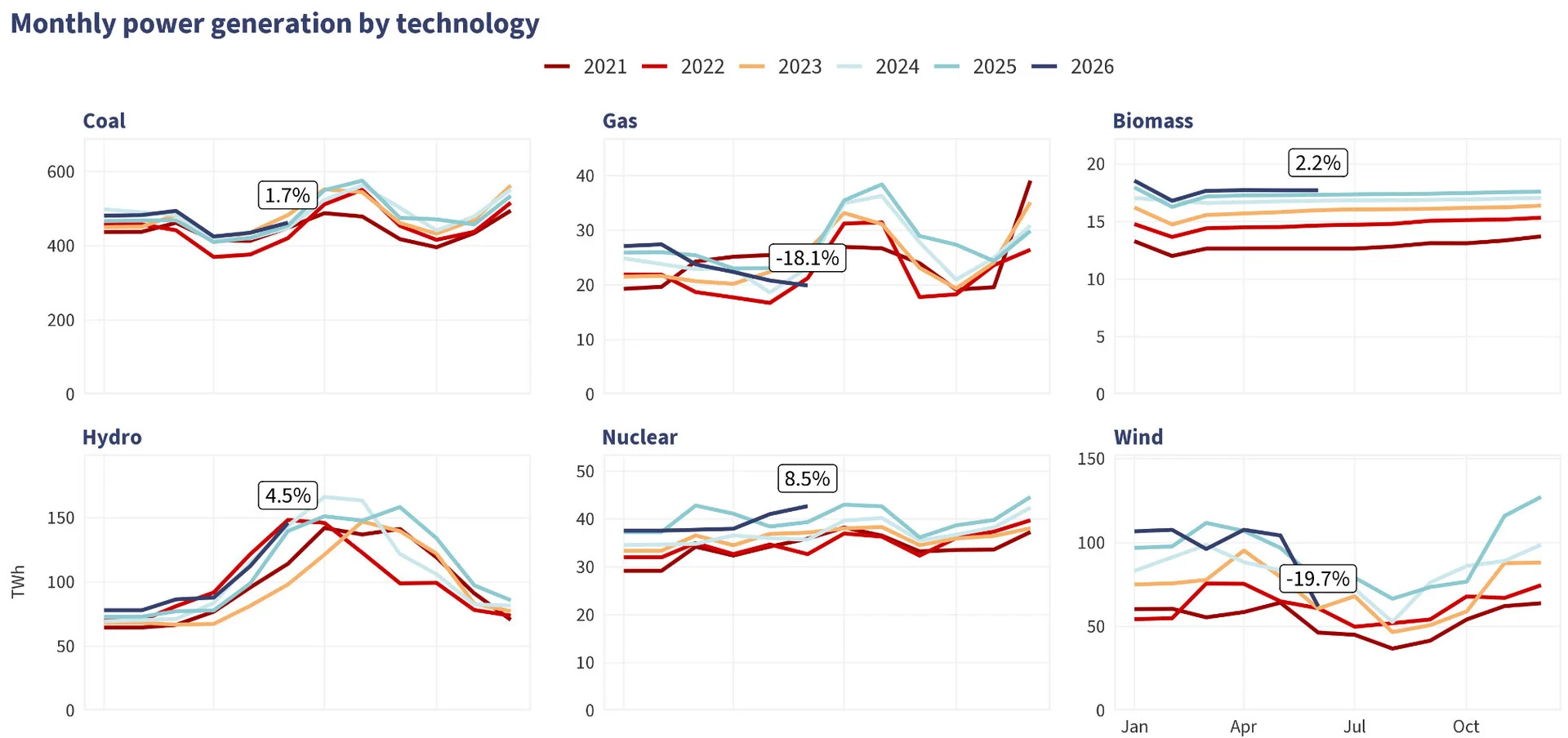
According to a recent World Bank analysis, disruptions to natural gas markets following the outbreak of conflict in the Middle East prompted some power generators to increase coal use as an alternative fuel source.
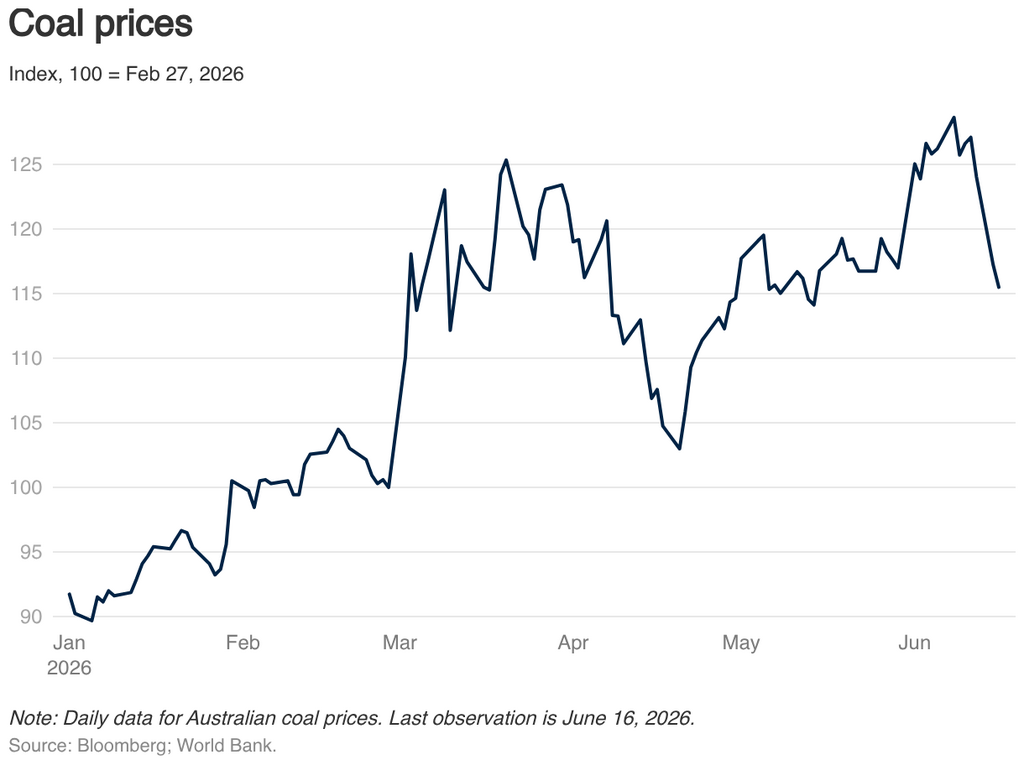
The shift helped support thermal coal prices, which rose sharply during March before remaining elevated through April and May as uncertainty surrounding energy supplies persisted.
The report notes that global coal consumption increased in 2025 and is expected to remain broadly stable in 2026 despite continued growth in renewable energy generation. While solar, wind and hydropower have helped limit coal demand growth in major markets such as China and India, coal continues to play an important role in maintaining energy security and supporting power systems during periods of market disruption.
In the United States, coal consumption expanded in 2025 as stronger electricity demand, including demand linked to data centres, combined with substitution away from higher-cost natural gas. Meanwhile, governments in both China and India continue to view domestic coal production as an important component of energy security strategies, helping to support demand even as renewable energy capacity expands rapidly.
On the supply side, global thermal coal production is expected to decline slightly in 2026 while remaining sufficient to meet demand. Indonesia, one of the world’s largest exporters, is targeting lower production levels, while China and India continue efforts to strengthen domestic output.
As a result, international coal trade is expected to ease, reflecting a greater focus on domestic energy security in several key consuming nations.
Looking ahead, the World Bank expects Australian thermal coal prices to average around $130 per tonne in 2026, supported in part by continued substitution of coal for natural gas in power generation.
While renewable energy growth remains a key long-term challenge for coal demand, the report suggests that energy security concerns, geopolitical uncertainty and rising electricity demand could continue to support coal’s role in the global power sector over the near term.
Source: World Bank, Coal’s unexpected comeback: Middle East conflict drives a return to coal power (June 2026).