Asian coal demand is set to increase sharply as LNG supply disruptions and higher gas prices force utilities across the region to rely more heavily on coal-fired generation. While many countries remain committed to long-term energy transition goals, the latest market analysis suggests coal continues to play a critical role when energy security comes under pressure.
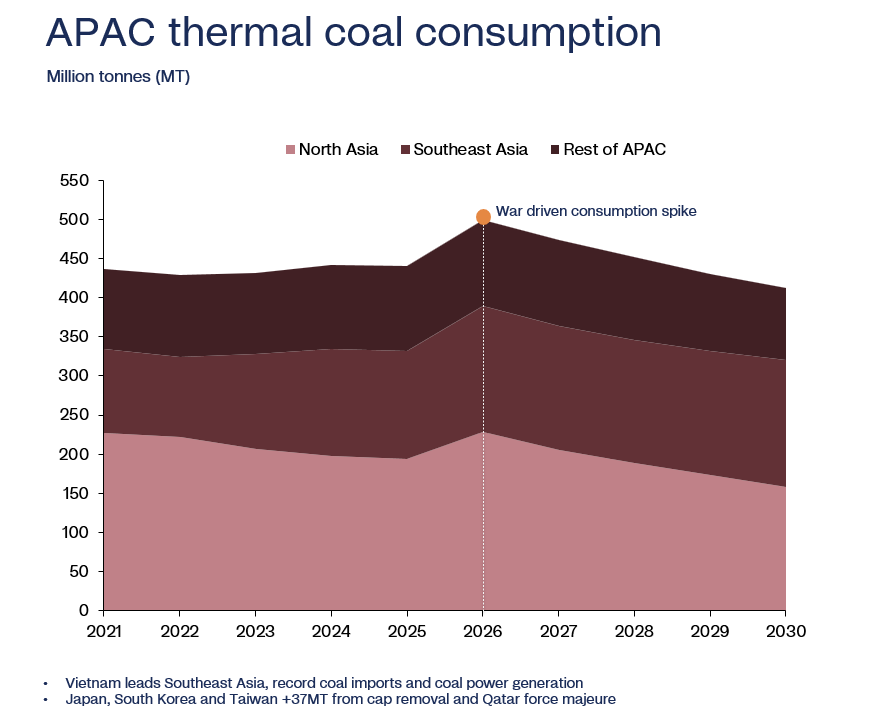
According to new research by Rystad Energy, Asia-Pacific thermal coal consumption could increase significantly over the remainder of the decade, with around half of the additional demand expected to occur in 2026 alone. The increase is being driven by tighter LNG markets following damage to Gulf energy infrastructure and the resulting reduction in LNG exports to Asia.
The analysis estimates that LNG supply disruptions could leave Asia facing a gas shortfall of around 35 million tonnes this year. As utilities seek alternative sources of power generation, existing coal-fired plants are being dispatched more frequently, particularly in gas-dependent economies across Northeast and Southeast Asia.
The report argues that the shift is not the result of a broader policy reversal or a renewed wave of coal investment. Instead, it reflects the practical realities of maintaining reliable electricity supplies when gas markets become constrained. In several countries, regulatory limits on coal plant utilisation have been relaxed, allowing operators to increase output from existing assets.
Japan, South Korea and Taiwan are expected to account for a significant share of the additional coal demand, while Vietnam, Thailand and the Philippines are also projected to increase coal consumption as utilities respond to tighter gas balances. China is expected to remain comparatively insulated due to the relatively limited role of gas in its power sector.
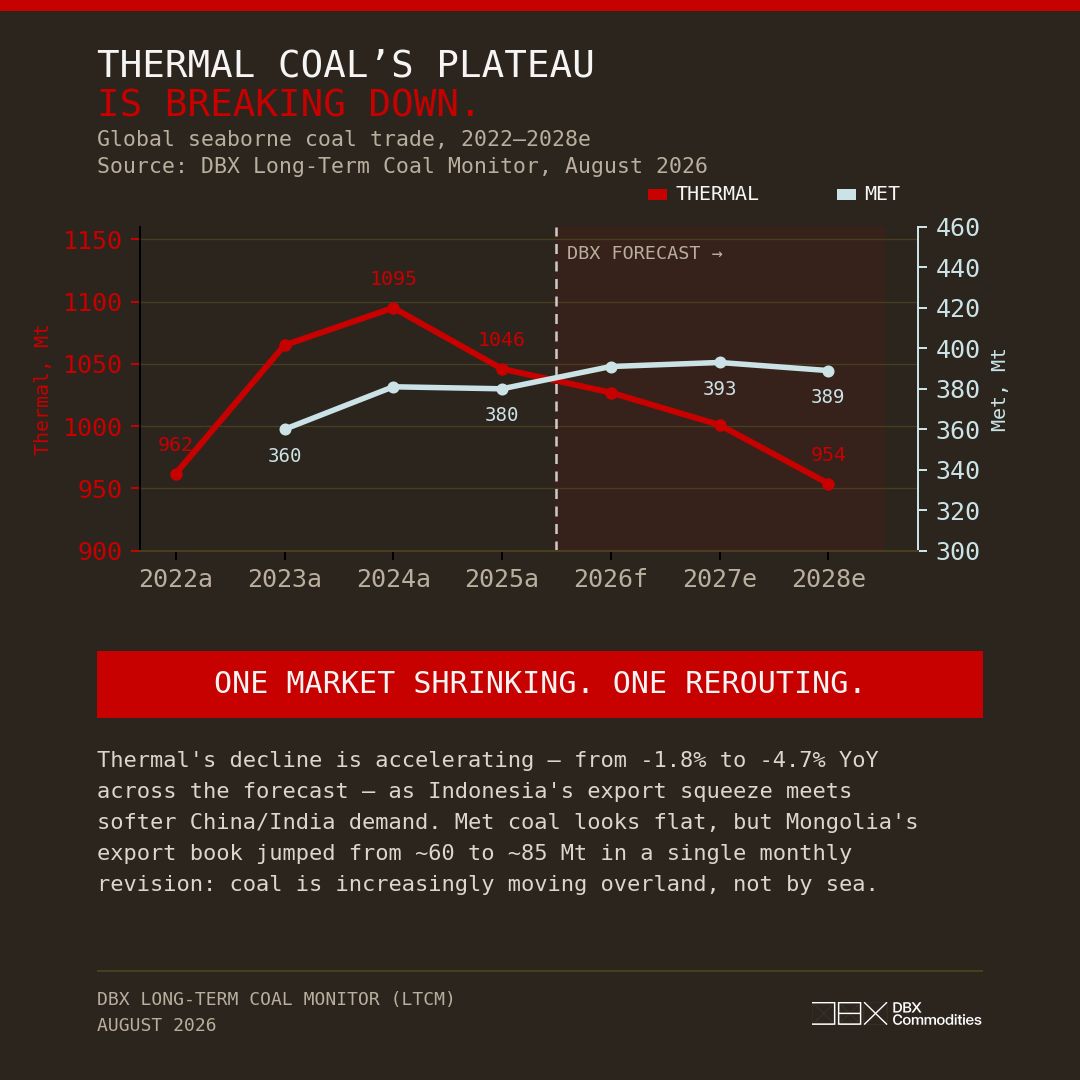
The findings reinforce a theme that has emerged repeatedly during recent energy market disruptions: coal remains an important backstop for electricity systems when alternative fuel supplies become unavailable or prohibitively expensive. While renewable capacity continues to expand across Asia, the report notes that coal is still frequently called upon to support power systems during periods of market stress.
For coal producers and traders, the key question will be whether the current increase in demand remains a temporary response to LNG market disruption or evolves into a longer-lasting shift in fuel consumption patterns. For now, the evidence suggests the market response is being driven by energy security concerns rather than any fundamental change in long-term policy direction.
Source: Rystad Energy — Asia’s coal demand to rise by 100 million tonnes in wake of Middle East conflict